RFQ inputsDrawings, samples, material, finish, annual quantity and inspection notes.
OEM metal stamping capability
Sheet Metal Stamping Parts Manufacturer
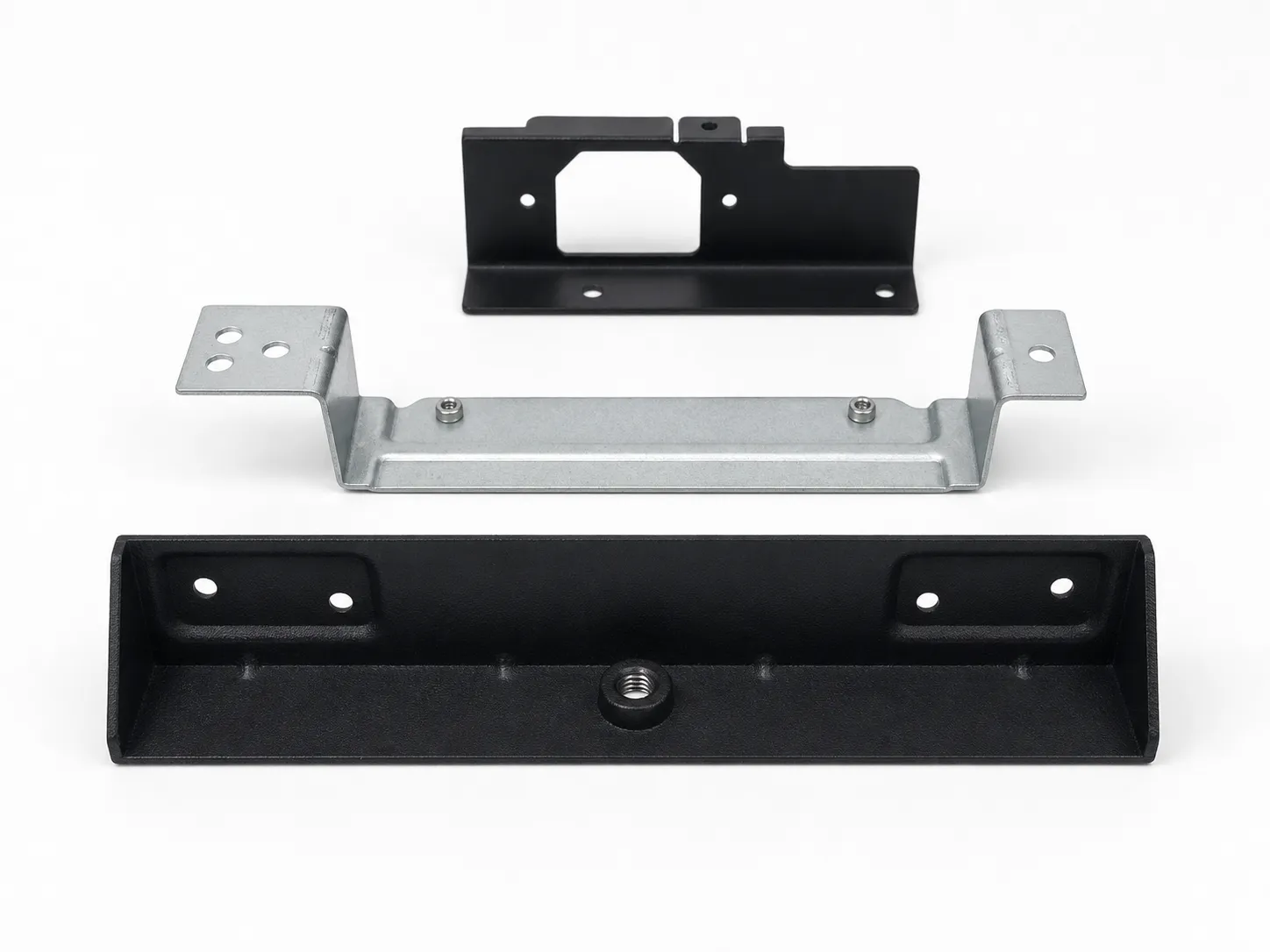
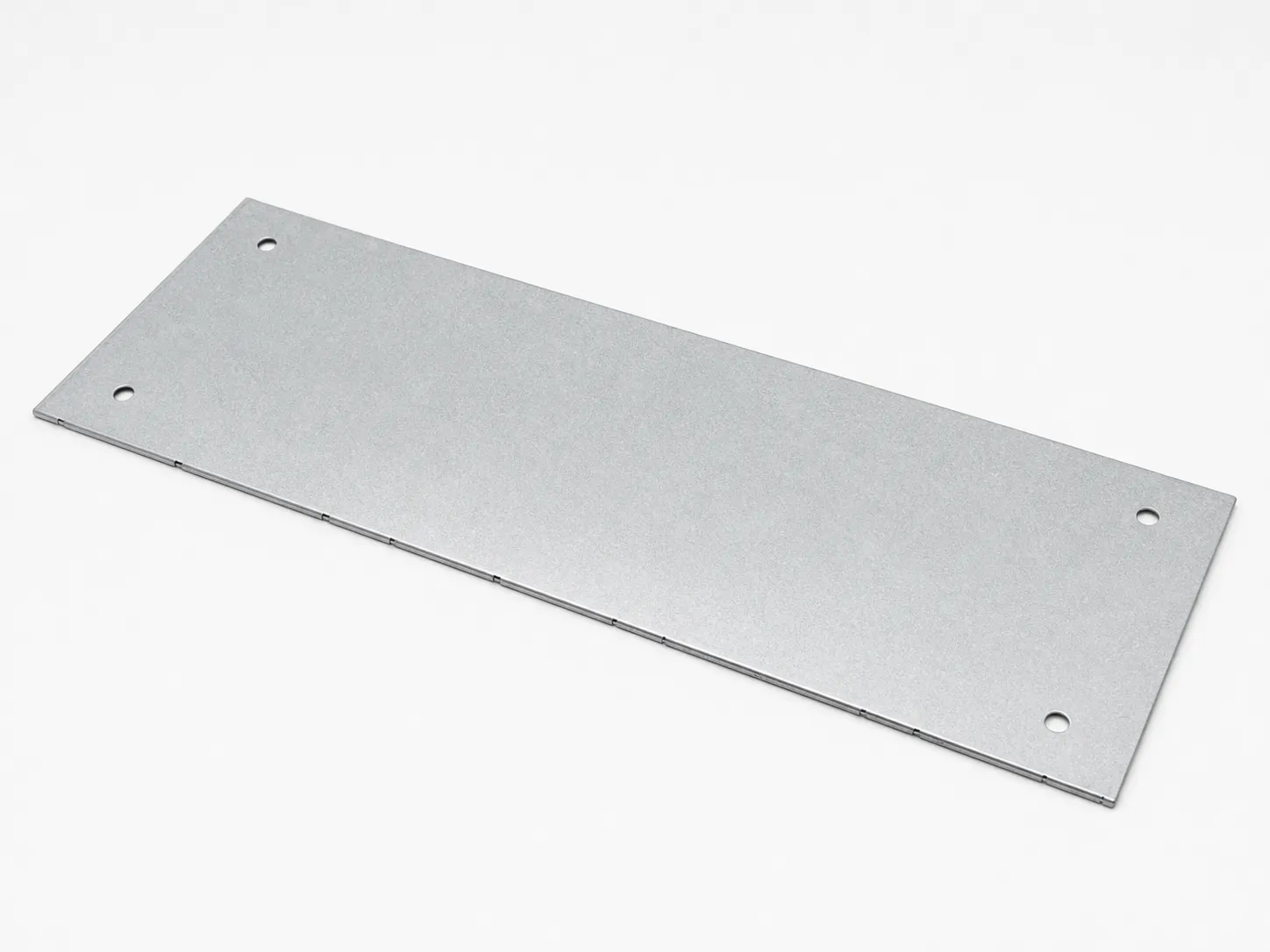
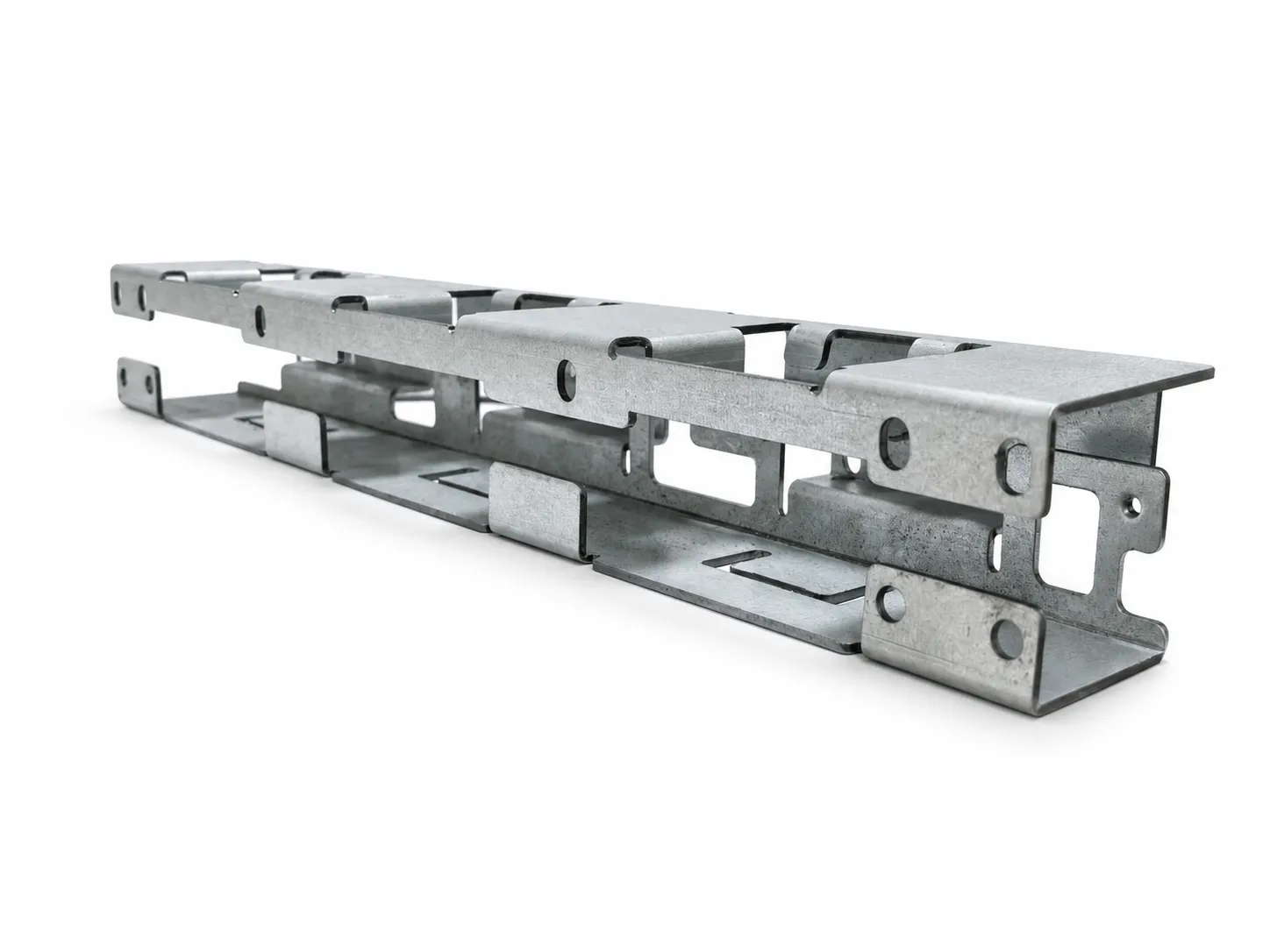
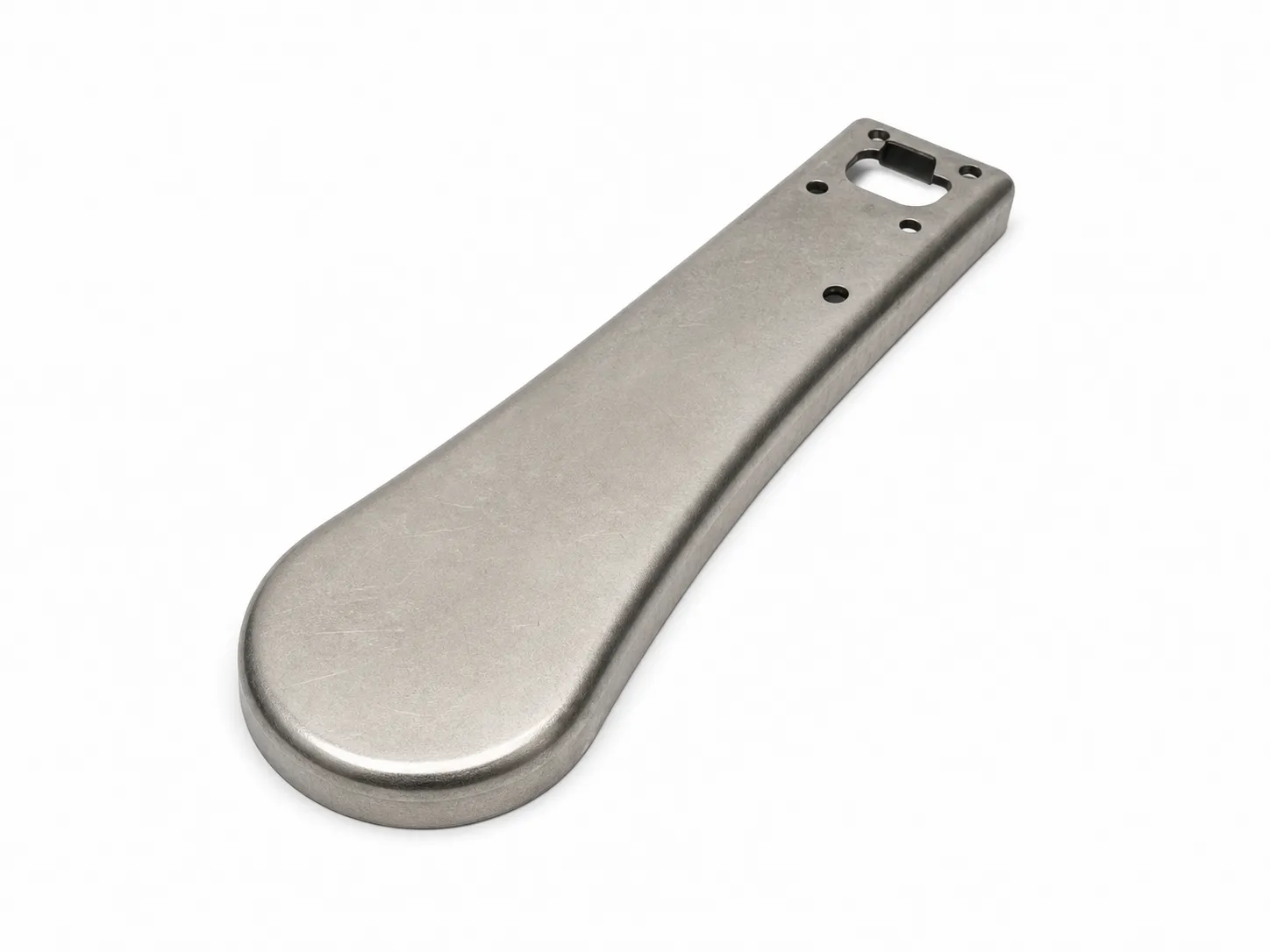
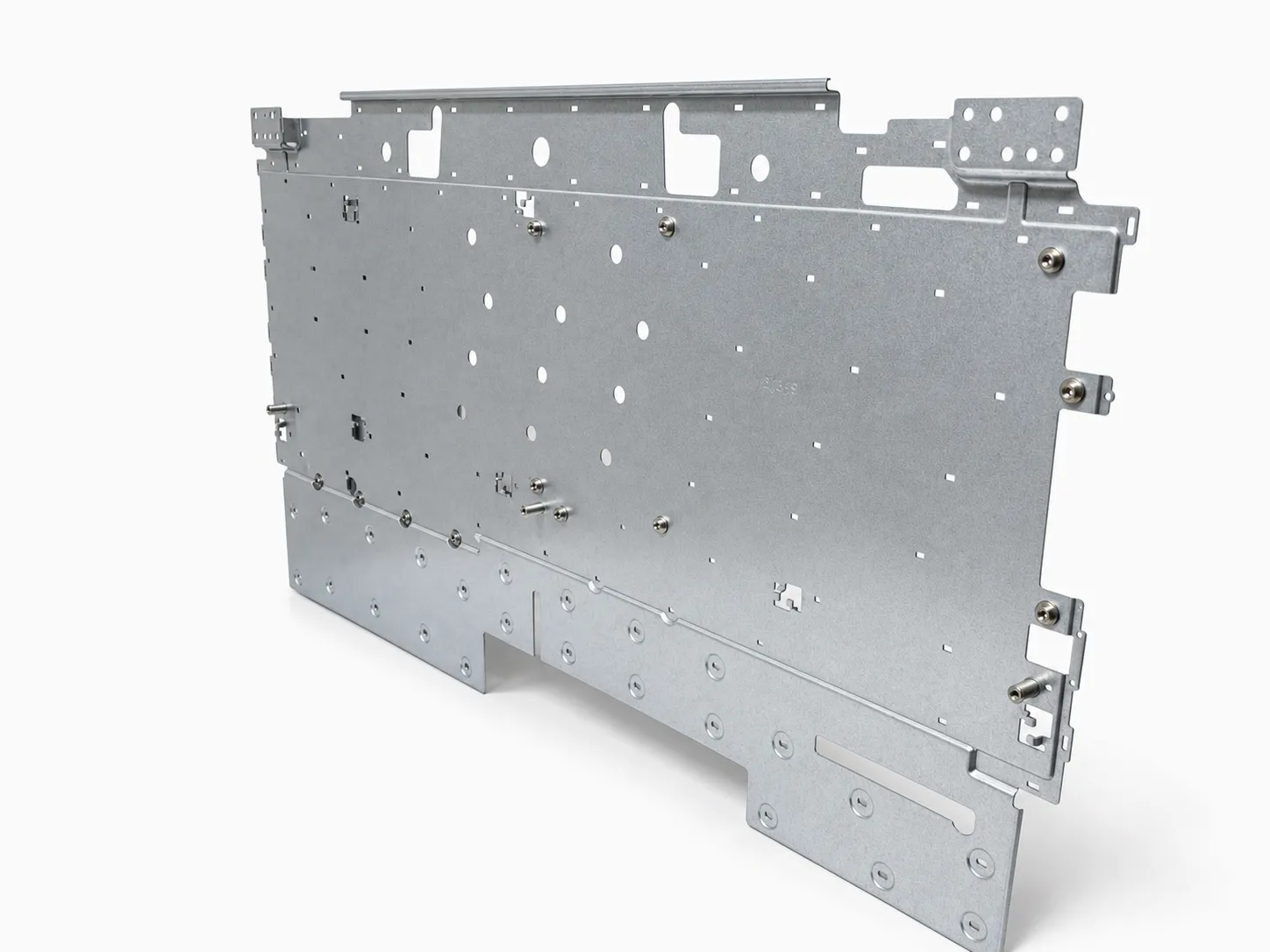
Review brackets, shields, covers, clips, terminals, backplates and chassis parts in a typical 0.2–2.0 mm sheet range. Send drawings to compare stamping with fabrication and plan samples, tooling, finishing and repeat production.
Short answer
HARVLAND quotes drawing-based sheet metal stamping parts such as brackets, covers, shields, clips, terminals and chassis details. Steel, stainless steel, aluminum, copper, brass, galvanized steel and tinplate can be reviewed in the 0.2–2.0 mm sheet range. Stamping fits stable, repeatable geometry; laser cutting and press-brake fabrication can suit prototypes or changing designs. No-MOQ samples are available when the route is feasible.
DFM reviewbefore tooling decisions
±0.02 mm tolerancefor critical features, subject to drawing and process review
0.2–2.0 mmsheet thickness range
ISO 9001 / ISO 14001quality and environmental management systems
No MOQfor sample validation
Finish + inspectionplanned for your project
Engineering reviewDFM, tolerance, burr direction, forming risk and tooling route.
Production outputSamples, inspection reports, pilot run and controlled shipment planning.
Process path
From drawing review to inspected production
Each capability area follows the same manufacturing path so buyers can connect service details to quote requirements.
View full production process01
Customer Input
Collect drawings, 3D/2D files, material, finish, volume, inspection and packaging requirements.
02
DFM Review
Review stamping feasibility, tolerance risk, springback, burr direction and tooling direction.
03
Quote & Sampling
Confirm quotation, sample route, project plan, inspection plan and sample validation path.
04
Tooling & Die
Design production tooling, run T0/T1/T2 trials, correct dimensions, burr and springback.
05
Mass Production QC
Run pilot production, customer approval, PPAP if required and controlled mass production.
Match the drawing to a sheet metal stamping part family
This page helps buyers source a defined part category rather than choose a detailed stamping process. Use the examples to identify a likely part family, then send the controlled drawing so geometry and assembly context can be reviewed.
- Brackets, mounting plates, clips and backplates can support fastening, locating, mounting or reinforcement needs.
- Covers, EMI/RF shields, heat spreaders, I/O brackets and chassis parts can be reviewed for electronics and equipment assemblies.
- Terminals, connectors and small formed hardware should identify material condition, burr direction, contact areas and mating features.
Compare dedicated stamping with flexible sheet metal fabrication
A part name does not decide the manufacturing route. Stamping uses part-specific tooling and is normally assessed for repeat production, while laser cutting and press-brake fabrication can suit prototypes, changing designs, large panels or lower volumes. DFM should compare geometry, quantity and change risk before the route is fixed.
- Consider stamping when formed features, repeatability or expected volume can justify dedicated tooling.
- Consider fabrication when the design is still changing, quantities are lower or the part is mainly cut and bent.
- Ask for both routes to be reviewed when annual demand, tooling budget or product-validation timing is not yet fixed.
Review material behavior and critical features before tooling
Material grade, condition, thickness and geometry affect springback, edge quality, forming risk and finish. The typical 0.2–2.0 mm review range is a starting point, not a blanket limit; the drawing and quantity determine whether the proposed route is feasible.
- Common review materials include steel, stainless steel, aluminum, copper, brass, galvanized steel and tinplate.
- Specify grade, temper or hardness, thickness and surface condition instead of naming only a broad metal family.
- DFM can check bend radius, hole-to-edge distance, forming depth, springback, flatness, tolerance stack and burr direction before die development.
Carry quote assumptions through sample approval
A useful RFQ defines the delivered part, not only the stamped blank. Align drawings, quantities, tooling stage, finish, inspection and packaging so sample feedback can be closed before repeat production.
- Send the latest 2D drawing and available 3D file with material, thickness, order quantity, annual demand and target finish.
- Mark critical dimensions, tolerances, burr or smooth-face direction, cosmetic or contact surfaces, inspection records and packaging needs.
- Confirm whether the quote covers sample tooling, production tooling, deburring, plating, coating, anodizing, passivation, printing or other specified finishing.
Buyer questions
Common buyer questions
Have a question about your part? Leave a message and a reply email.
What types of sheet metal stamping parts can be quoted?
Brackets, covers, shields, chassis parts, clips, terminals, connectors, backplates, electronic metal components and other drawing-based OEM sheet metal parts can be reviewed.
Should a sheet metal part be stamped or fabricated?
Stamping is normally reviewed when repeatable formed features or production demand can justify dedicated tooling. Laser cutting and press-brake fabrication can suit prototypes, evolving designs, larger panels or lower volumes. The drawing, quantity and change risk should be reviewed together.
Which materials and thicknesses can be reviewed for stamped parts?
Common review materials include steel, stainless steel, aluminum, copper, brass, galvanized steel and tinplate, typically around 0.2–2.0 mm. Feasibility depends on the exact grade, condition, geometry, tolerances, finish and tooling route.
What should I send for a sheet metal stamping parts quote?
Send the latest 2D drawing and available 3D file, material grade and thickness, quantities and annual demand, finish, critical dimensions, burr direction, inspection records, packaging needs and the intended sample or production stage.
Your question has been recorded
Thank you. We will reply to the email address you provided. You do not need to submit again.
Question ID:
Contact us
Send drawings, material, thickness, finish and target quantity for review.