RFQ inputsDrawings, samples, material, finish, annual quantity and inspection notes.
OEM metal stamping capability
Electronic Stamped Components for OEM Assemblies
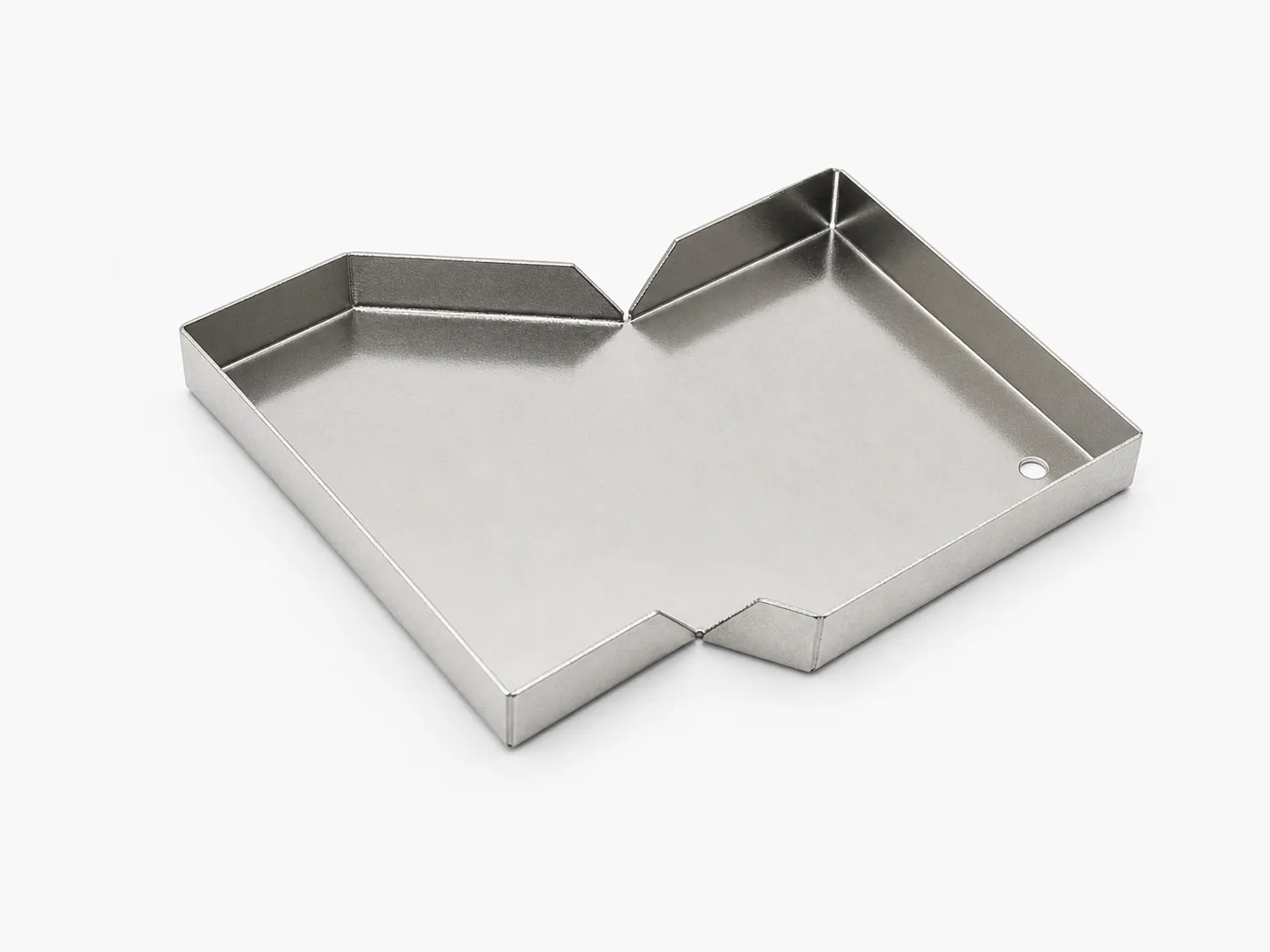
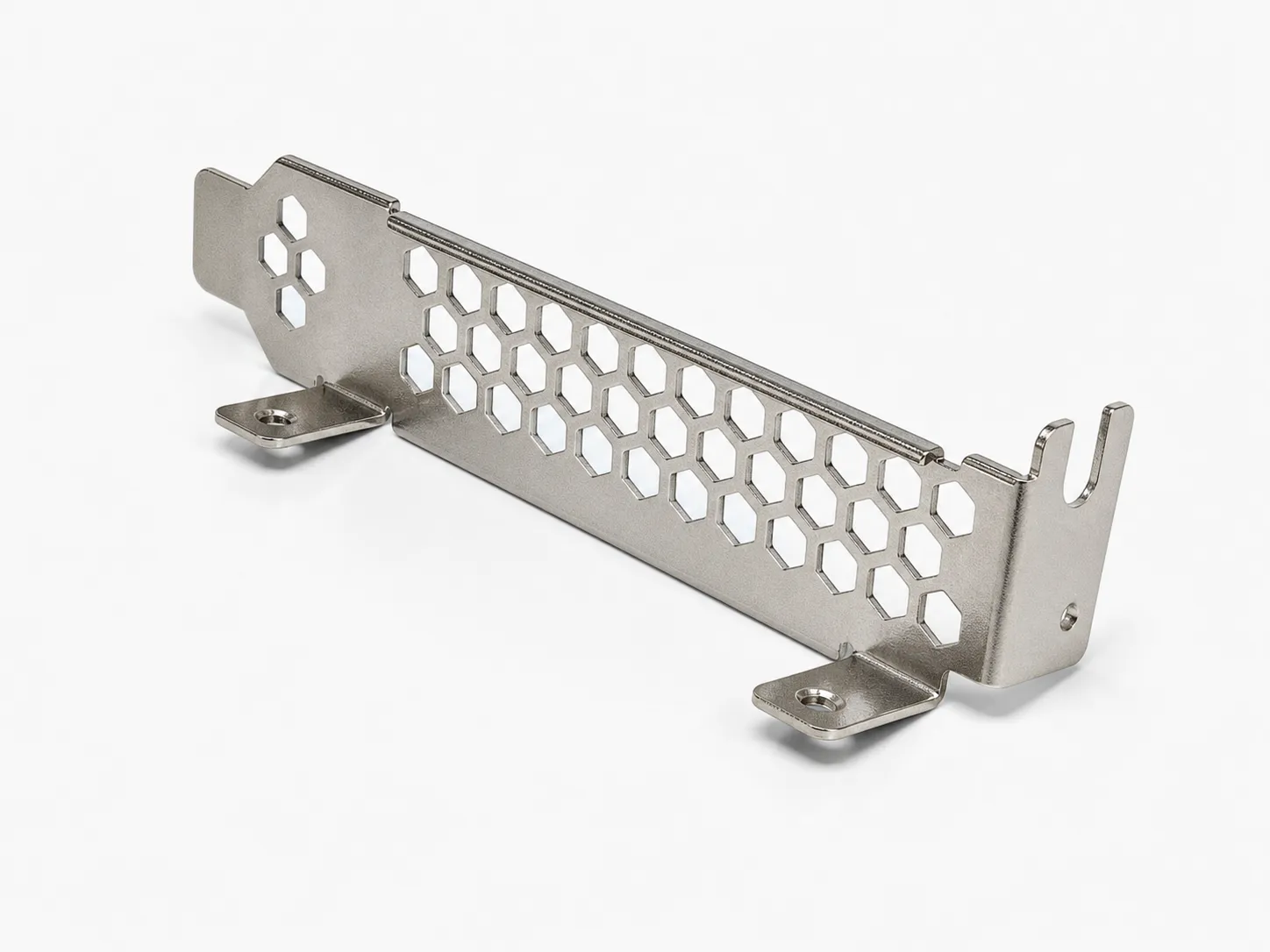
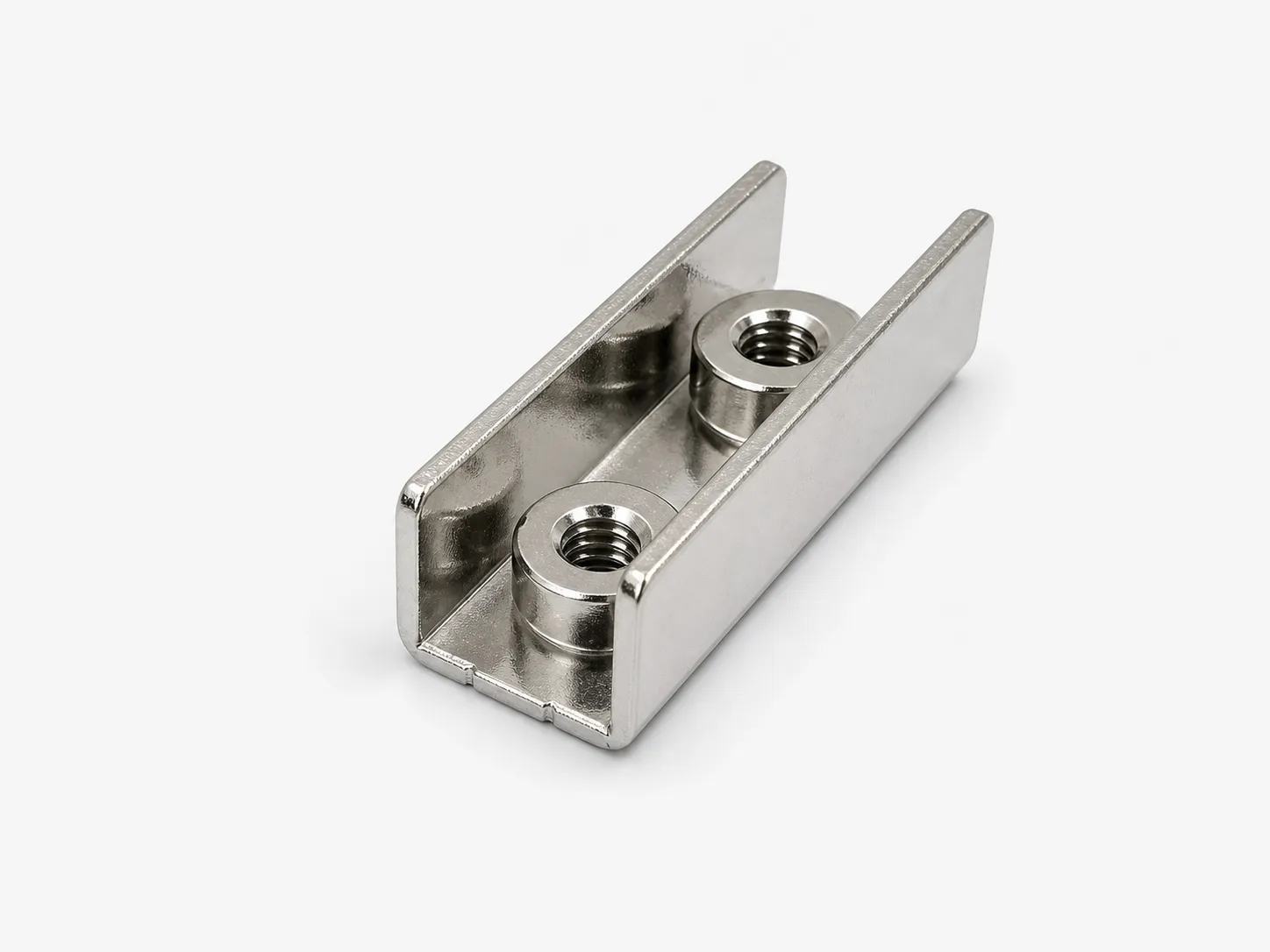
Review small metal parts used inside electronics: EMI shielding cans, heat spreaders, I/O brackets, contacts, covers, chassis parts and drawing-based hardware that must fit cleanly on assembly lines.
Short answer
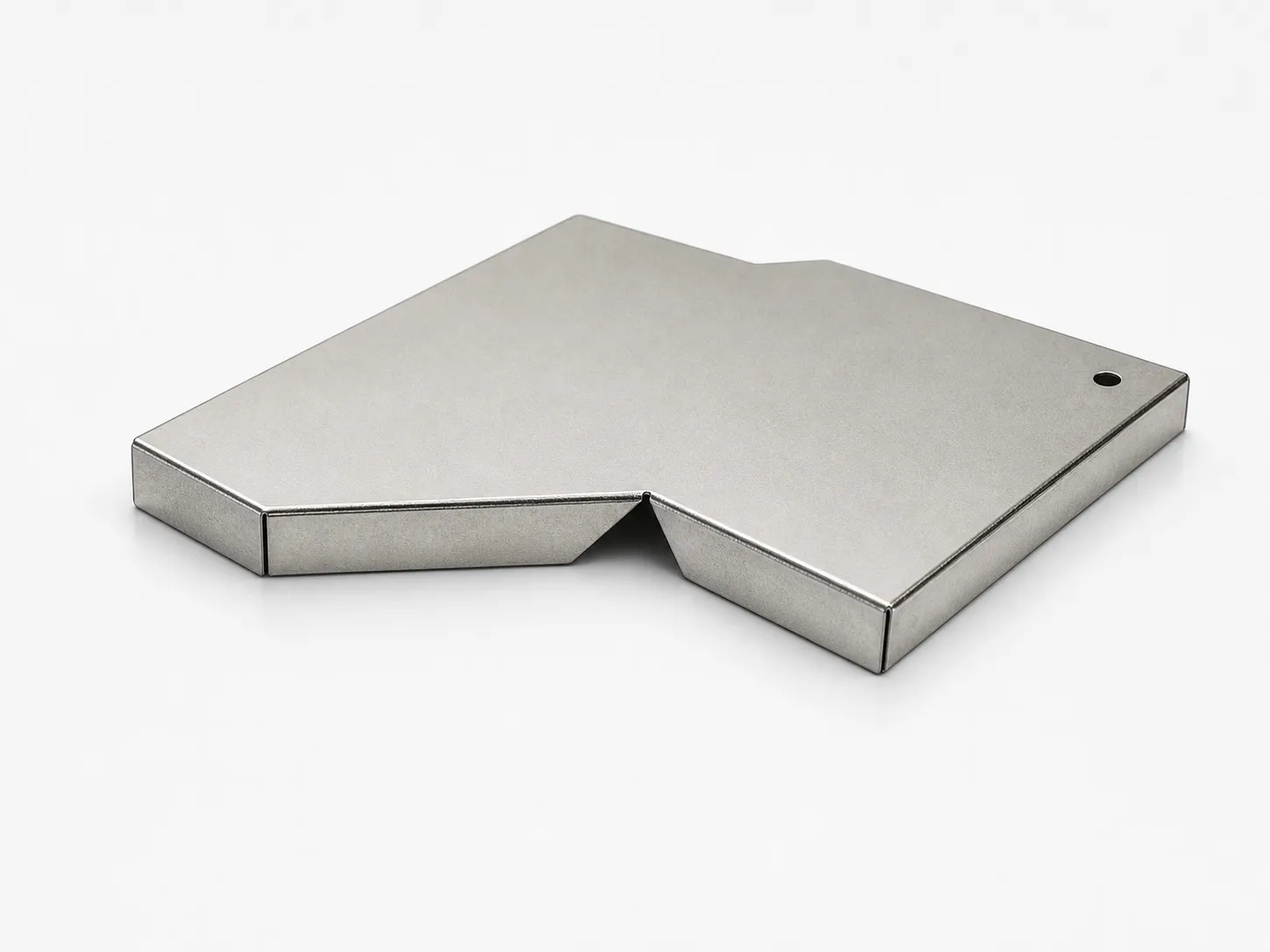
HARVLAND reviews electronic stamped components such as EMI shielding cans, heat spreaders, I/O brackets, contacts, terminals, clips and small covers from drawings. Burr direction, flatness, contact surfaces and finish buildup should be stated before tooling. Stainless steel, aluminum, copper, brass and tinplate can be reviewed; tin or nickel plating, passivation and anodizing can be planned. RoHS and REACH support can be discussed when the project requires it.
DFM reviewbefore tooling decisions
±0.02 mm tolerancefor critical features, subject to drawing and process review
0.2–2.0 mmsheet thickness range
ISO 9001 / ISO 14001quality and environmental management systems
No MOQfor sample validation
Finish + inspectionplanned for your project
Engineering reviewDFM, tolerance, burr direction, forming risk and tooling route.
Production outputSamples, inspection reports, pilot run and controlled shipment planning.
Process path
From drawing review to inspected production
Each capability area follows the same manufacturing path so buyers can connect service details to quote requirements.
View full production process01
Customer Input
Collect drawings, 3D/2D files, material, finish, volume, inspection and packaging requirements.
02
DFM Review
Review stamping feasibility, tolerance risk, springback, burr direction and tooling direction.
03
Quote & Sampling
Confirm quotation, sample route, project plan, inspection plan and sample validation path.
04
Tooling & Die
Design production tooling, run T0/T1/T2 trials, correct dimensions, burr and springback.
05
Mass Production QC
Run pilot production, customer approval, PPAP if required and controlled mass production.
Representative production routes
See the full manufacturing processA representative route for this product family
These anonymized, representative routes illustrate how operations may be combined. They are not customer case studies or manufacturing specifications for any particular part. Actual operations, sequence, inspection points and any external processing are confirmed from the released drawing, material and finish requirements, quantity, and the agreed project quality plan.
This example shows how key operations may be sequenced for quotation planning. The released drawing and agreed project plan determine the actual route.
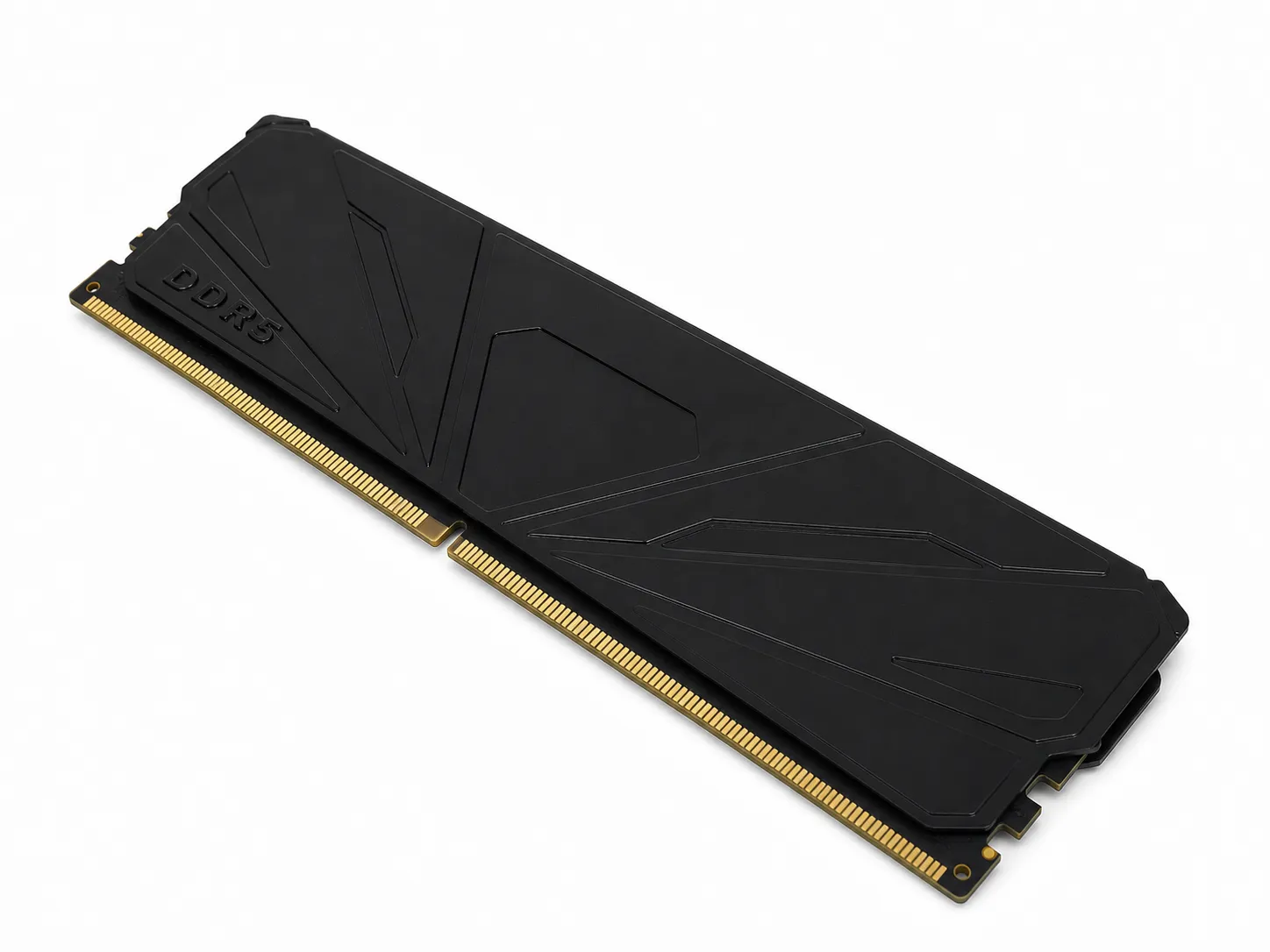
Anonymized route example
Stamped heat-spreader component
A representative route may connect stamping and forming with surface treatment and appearance checks, both defined for the project.
- Stamping and forming
- Assembly inspection
- Protective film removal
- Coordinated sandblasting where specified
- Coordinated anodizing where specified
- Post-finish inspection
- Part separation
- Decorative edge or texture finishing where specified
Typical checkpointsCheckpoints may include edge condition, dents, scratches, color consistency and surface appearance.
Representative production route. Actual steps, controls and external processes depend on the drawing and approved project plan.
Send a stamped-part drawingStamped metal parts for electronics products
Electronic metal stamping parts are often small, but they carry fit, grounding, shielding, thermal and handling requirements. Identifying the part type early helps buyers prepare the right drawings and assembly details.
- EMI shielding cans, RF shields, heat spreaders, I/O brackets, covers, clips, contacts and terminals can be reviewed.
- Parts can support PCBA, networking equipment, computer hardware, storage devices, displays and electronic modules.
- Drawing review checks fit, grounding surfaces, screw holes, slots, tabs, contact areas and assembly handling.
Control burr, flatness and tolerance before production
Electronics parts can fail because of small details: burrs, warped flatness, sharp edges, finish buildup or tolerance drift. These requirements need to be visible before tooling.
- Review burr direction, deburring needs, hole location, tab geometry, forming marks and edge safety.
- Confirm flatness, thickness, springback and tolerance requirements for assembly fit.
- Plan inspection points for dimensions, appearance, contact surfaces and functional fit.
Match metal and finish to electrical or thermal use
Material and finish decisions can affect conductivity, corrosion resistance, solderability, grounding, heat transfer and appearance. They should be treated as engineering inputs, not decoration.
- Materials can include stainless steel, aluminum, copper, brass, tinplate, galvanized steel and project-specific alloys.
- Finishes can include nickel plating, tin plating, passivation, cleaning, anodizing, deburring or protective treatments.
- RoHS and REACH support can be discussed where material and finishing route require documentation.
Protect small metal parts through delivery
Small electronics components are easy to scratch, deform or mix during shipping. Packaging and batch control should be considered before mass production.
- Packaging can be planned for trays, bags, separators, protective film or assembly-line handling.
- Batch labels, inspection records and sample references can support repeat orders.
- Electronic component projects can be reviewed alongside enclosures or custom stamping work when one product uses multiple metal parts.
Buyer questions
Common buyer questions
Have a question about your part? Leave a message and a reply email.
What electronic stamped components can be reviewed?
EMI shields, RF shielding cans, heat spreaders, I/O brackets, chassis parts, covers, contacts, terminals, clips and other custom metal components for electronics products can be reviewed from drawings.
How do you control burrs on electronic stamped parts?
Burr direction, edge condition and deburring requirements should be shown or discussed before tooling. Inspection criteria can then be planned around assembly and handling needs.
Can electronic metal parts include plating or special finishes?
Yes. Tin, nickel, passivation, anodizing, cleaning, deburring and other finishes can be reviewed depending on conductivity, corrosion, appearance and compliance requirements.
Can compliance documents be supported?
RoHS and REACH support can be planned where project materials and finishing routes require it. Include compliance requirements during RFQ review.
Your question has been recorded
Thank you. We will reply to the email address you provided. You do not need to submit again.
Question ID:
Request a quote for electronic stamped components
Send drawings with material, thickness, quantity, critical fit or flatness, burr direction, contact surfaces, finish and inspection requirements for DFM and quote review.