RFQ inputsDrawings, samples, material, finish, annual quantity and inspection notes.
OEM metal stamping capability
Network and Server Chassis Manufacturer for OEM Equipment
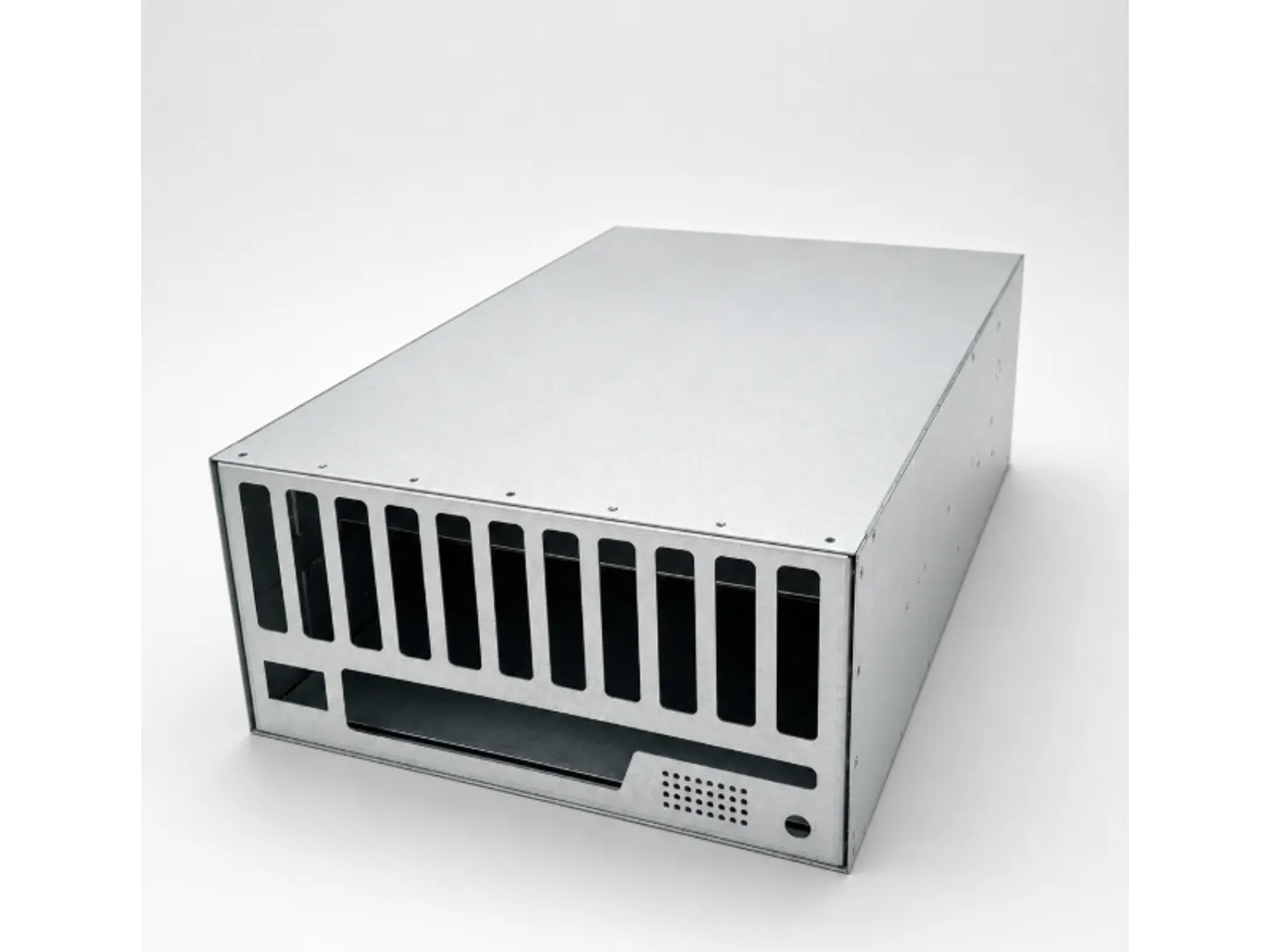
A network or server chassis is the sheet metal structure that holds boards, ports, airflow openings, power modules, covers and mounting hardware in communication, compute and mini PC equipment. HARVLAND reviews chassis drawings for manufacturability, fit, finish, inserts, grounding areas and sample approval before repeat production.
DFM reviewbefore tooling decisions
±0.02 mm tolerancefor critical features, subject to drawing and process review
0.2–2.0 mmsheet thickness range
ISO 9001 / ISO 14001quality and environmental management systems
No MOQfor sample validation
Finish + inspectionplanned for your project
Engineering reviewDFM, tolerance, burr direction, forming risk and tooling route.
Production outputSamples, inspection reports, pilot run and controlled shipment planning.
Process path
From drawing review to inspected production
Each capability area follows the same manufacturing path so buyers can connect service details to quote requirements.
View full production process01
Customer Input
Collect drawings, 3D/2D files, material, finish, volume, inspection and packaging requirements.
02
DFM Review
Review stamping feasibility, tolerance risk, springback, burr direction and tooling direction.
03
Quote & Sampling
Confirm quotation, sample route, project plan, inspection plan and sample validation path.
04
Tooling & Die
Design production tooling, run T0/T1/T2 trials, correct dimensions, burr and springback.
05
Mass Production QC
Run pilot production, customer approval, PPAP if required and controlled mass production.
What a network and server chassis manufacturer makes
A network and server chassis manufacturer produces drawing-based sheet metal housings, frames, covers, panels and internal supports for network switches, rackmount servers, mini PCs, CPE routers and compute equipment. The manufacturing review should connect enclosure geometry with board clearance, connector alignment, airflow, grounding, finish and inspection.
- Network switch chassis: front ports, LEDs, ventilation, rack ears, removable covers and grounding zones.
- Server chassis: rack height, slide rails, fan walls, rear I/O, power-supply openings and board clearances.
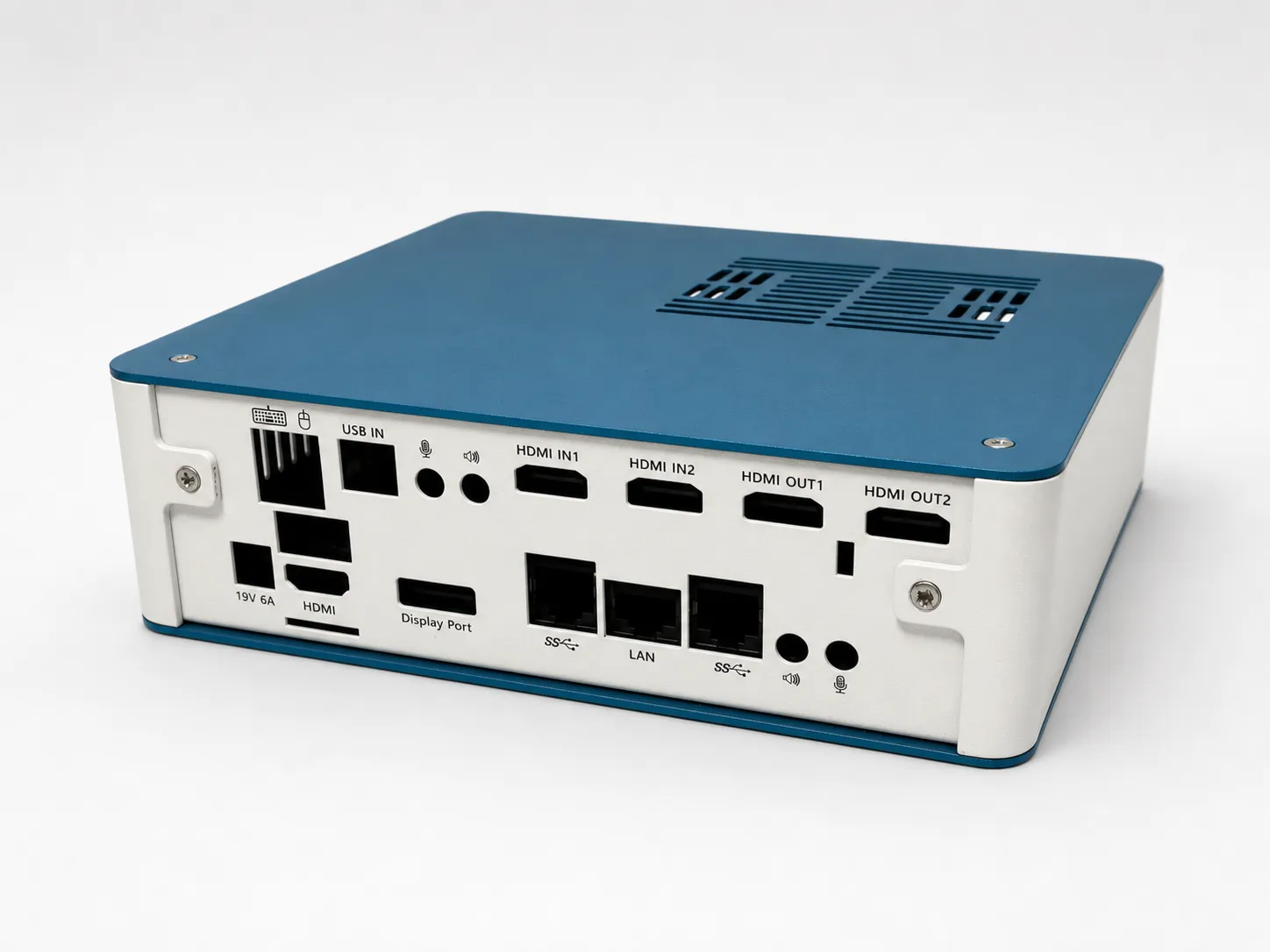
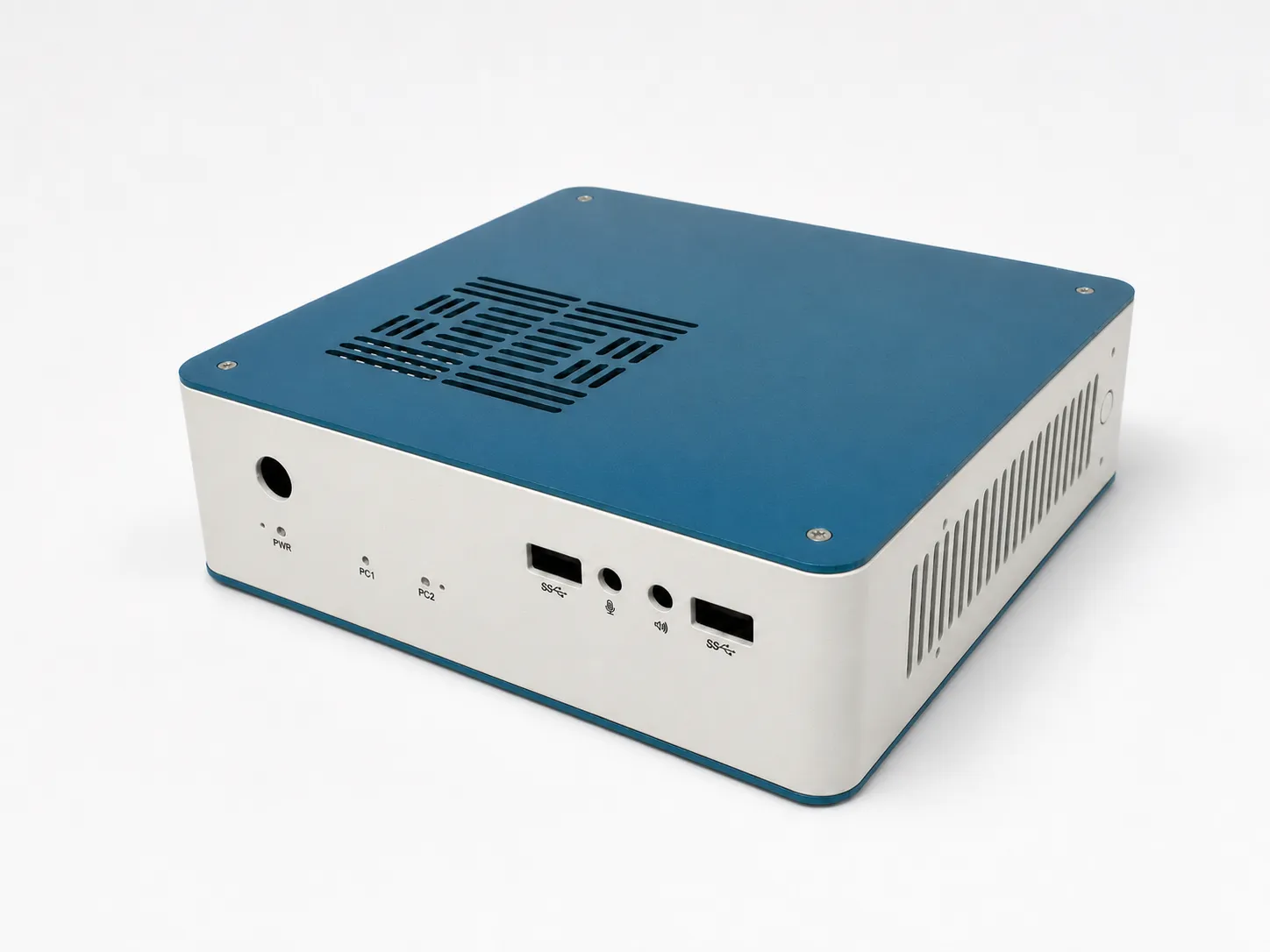
- Mini PC enclosure: compact I/O layout, heat paths, cosmetic faces, cover fit and threaded hardware.
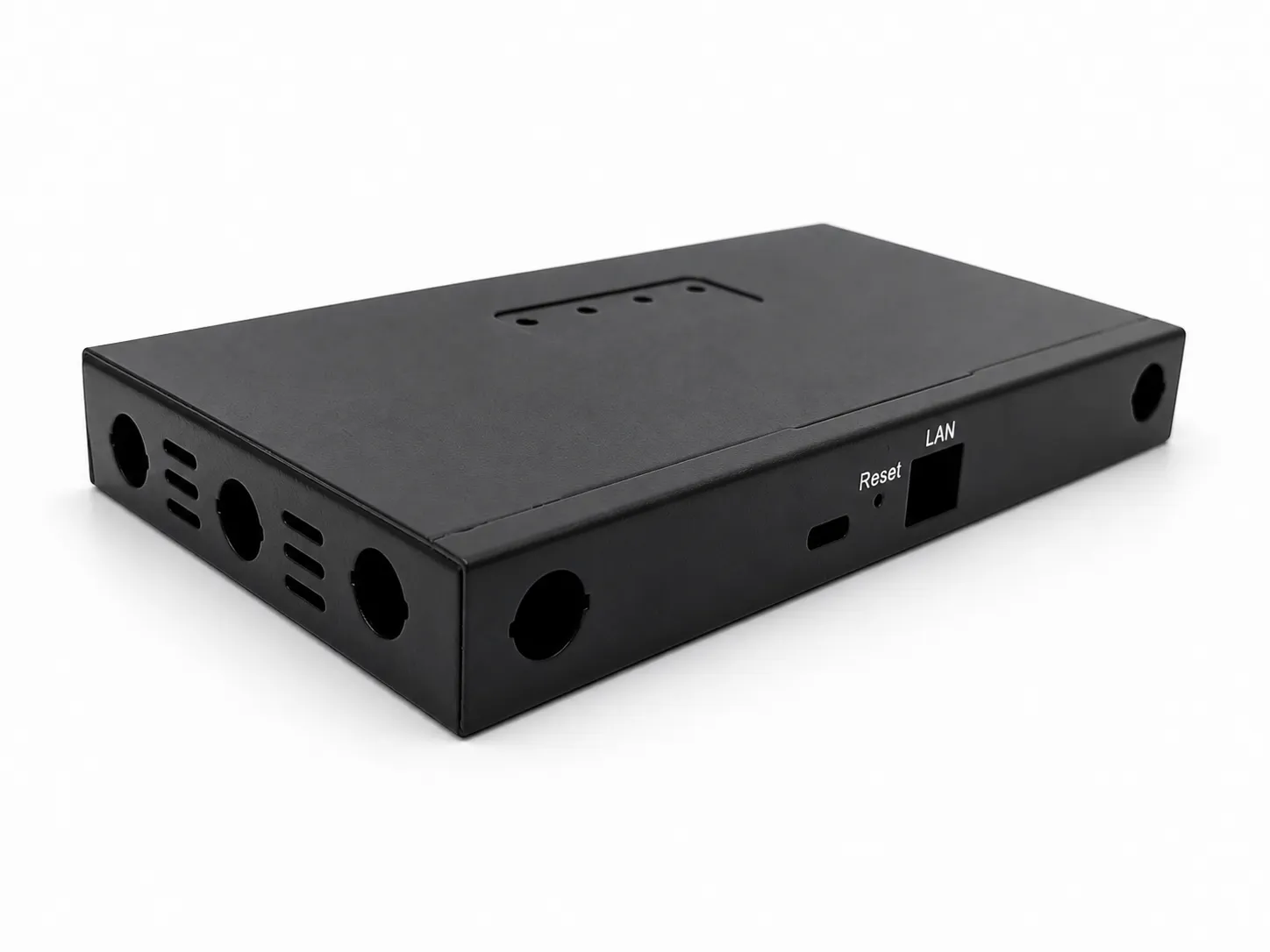
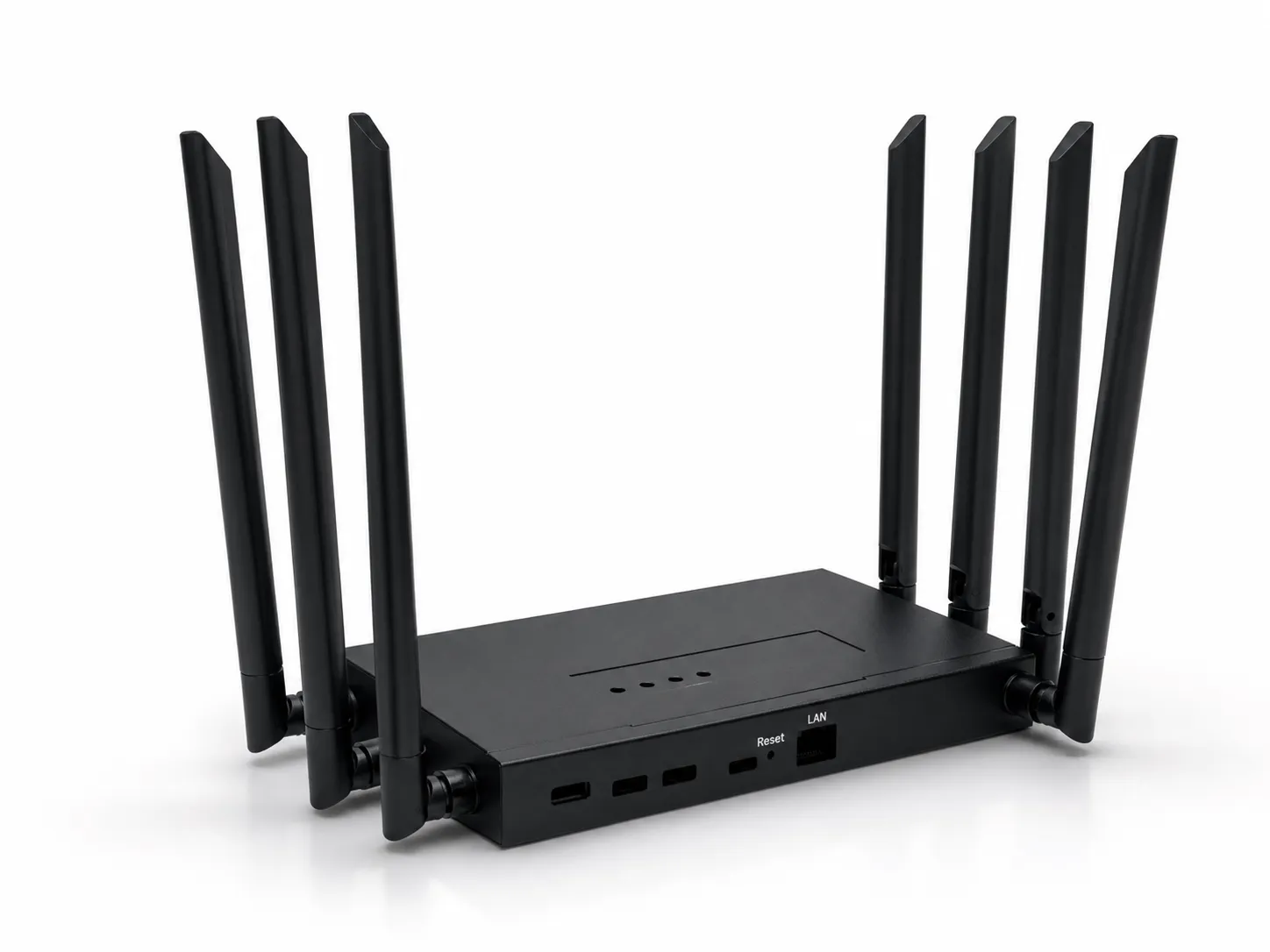
- CPE router enclosure: antenna exits, cable entry, wall mounting, vents, labels and finish requirements.
Separate switch, server, mini PC and CPE requirements before RFQ
Use the exact product name in the drawing package, file name and RFQ subject so the supplier understands the equipment context instead of treating every part as a generic metal box.
- Use network switch chassis when the part carries Ethernet or optical ports, front-panel indicators and rack or desktop mounting.
- Use rackmount server chassis when U height, rails, fan modules, drive areas or rear I/O geometry control the design.
- Use mini PC metal enclosure when compact outer appearance, connector alignment and heat spreading are the main risks.
- Use custom network equipment enclosure when the product combines chassis, housing, cover, bracket and panel parts.
Define rack, board and connector constraints before quoting
The most useful chassis RFQ tells engineering what must fit inside the metalwork. Outside size alone is not enough for a server chassis manufacturer or network equipment enclosure supplier to judge manufacturability.
- Show PCB envelope, port positions, power-supply space, fan locations, cable paths and service access.
- Mark rack ears, slide rails, wall-mount points, standoffs, PEM inserts, rivets, hinges or captive screws.
- Call out connector alignment, front-panel flatness, removable cover direction and critical-to-fit dimensions.
- Attach STEP/STP plus controlled 2D drawings when available; DXF/DWG flat files help only after the design is released.
Show vents, fans, EMI-related contact areas and grounding zones
Network and compute equipment often needs airflow and electrical continuity, but those requirements should be specified as design inputs, not claimed as untested performance. The RFQ should show where the buyer needs open metal contact, masked coating, gasket contact or ventilation patterns.
- Mark intake, exhaust, fan, filter, louver and perforation locations before cutting or punching strategy is chosen.
- Identify bare metal grounding areas, masked coating zones and contact surfaces that should not be insulated by paint.
- State buyer-specified EMI, thermal or acoustic goals as review requirements until the final product is tested.
- Review vent size and pattern together with panel stiffness, cosmetic appearance, coating coverage and packaging protection.
Plan sheet metal, surface finish and inserts as one route
A chassis quote is more accurate when material, thickness, finish, hardware and inspection are reviewed together. A powder-coated steel server chassis, anodized aluminum mini PC housing and plated contact bracket may need different handling even if all are sheet metal parts.
- Common options include cold-rolled steel, galvanized steel, stainless steel and aluminum, selected by strength, weight, corrosion, grounding and appearance.
- Finishing can include powder coating, ink coating, plating, e-coating, anodizing, passivation, brushing, screen printing, pad printing or laser marking.
- Hardware can include PEM nuts, standoffs, rivets, threaded studs, captive screws, hinges, labels and simple assemblies when drawings specify them.
- Inspection should cover hole position, port alignment, cover fit, insert pull-out risk, finish quality, visible faces and packaging.
Organize the RFQ around five core questions
A useful quote package states what product is being quoted, which metalwork is included, what must fit, which finish is required and how samples will be approved.
- Product name: network switch chassis, rackmount server chassis, mini PC enclosure, CPE router enclosure or custom network equipment enclosure.
- Files: 2D drawing, STEP/STP assembly, flat pattern when released, current sample photos and revision status.
- Manufacturing inputs: material, thickness, finish, annual quantity, sample quantity, inserts, hardware and packaging.
- Approval inputs: critical dimensions, cosmetic faces, grounding zones, airflow openings, first-article checks and compliance records.
Buyer questions
Common buyer questions
Have a question about your part? Leave a message and a reply email.
What is a server chassis manufacturer?
A server chassis manufacturer makes the sheet metal structure, covers, panels, brackets and hardware features that hold server boards, power modules, fans, rear I/O, rails and rack-mounting points. Custom projects should be quoted from drawings, not only outside dimensions.
What should I send for a network switch chassis quote?
Send 2D drawings, STEP/STP files, port layout, rack or desktop mounting details, material, thickness, finish, annual quantity, sample quantity, airflow openings, grounding zones, inserts, labels and inspection requirements.
Can network switch chassis and mini PC enclosures be quoted together?
Yes, if each part has its own drawing, material, finish, hardware and inspection notes. Grouping them in one RFQ is useful when the same product program uses multiple sheet metal housings, covers or brackets.
How should airflow, EMI and grounding requirements be specified?
Show fan openings, vents, filters, louvers, grounding areas, masked coating zones, gasket contact locations and buyer-specified EMI or thermal goals. Final shielding or thermal performance should be confirmed by the finished product test plan.
Which materials and finishes are common for network equipment chassis?
Cold-rolled steel, galvanized steel, stainless steel and aluminum are common starting points. Finishes may include powder coating, plating, anodizing, passivation, brushing, screen printing or laser marking depending on appearance, corrosion and grounding needs.
Can AI server or GPU server chassis drawings be reviewed?
Yes, chassis drawings can be reviewed when the RFQ shows rack geometry, board and GPU clearance, fan layout, power-supply openings, I/O, material, finish, inserts and inspection points. The review should stay focused on sheet metal manufacturability unless tested system performance data is provided.
Your question has been recorded
Thank you. We will reply to the email address you provided. You do not need to submit again.
Question ID:
Contact us
Send drawings, material, thickness, finish and target quantity for review.