Battery Pack & Energy Storage Metal Parts Manufacturer
Start with battery pack and module enclosures, then review busbar-style connectors, cooling metal parts, ESS housings and other drawing-based hardware through one DFM and RFQ path.
DFM before tooling decisions Samples can start without an MOQ Finish and inspection planning
±0.02 mm tolerancefor critical features, subject to drawing and process review
0.2–2.0 mmsheet thickness range
ISO 9001 / ISO 14001quality and environmental management systems
No MOQfor sample validation
Finish + inspectionplanned for your project
Product families in priority order
Start with the new-energy metal part you need to source
Each route begins with the buyer's drawings. The examples below help you reach the closest capability page without treating every battery or energy-storage project as the same enclosure.
01
Battery pack & module metal enclosures
Start with the battery housing drawings. We review formed geometry, fit, material, finish, grounding notes, inspection points and the sample-to-production route.
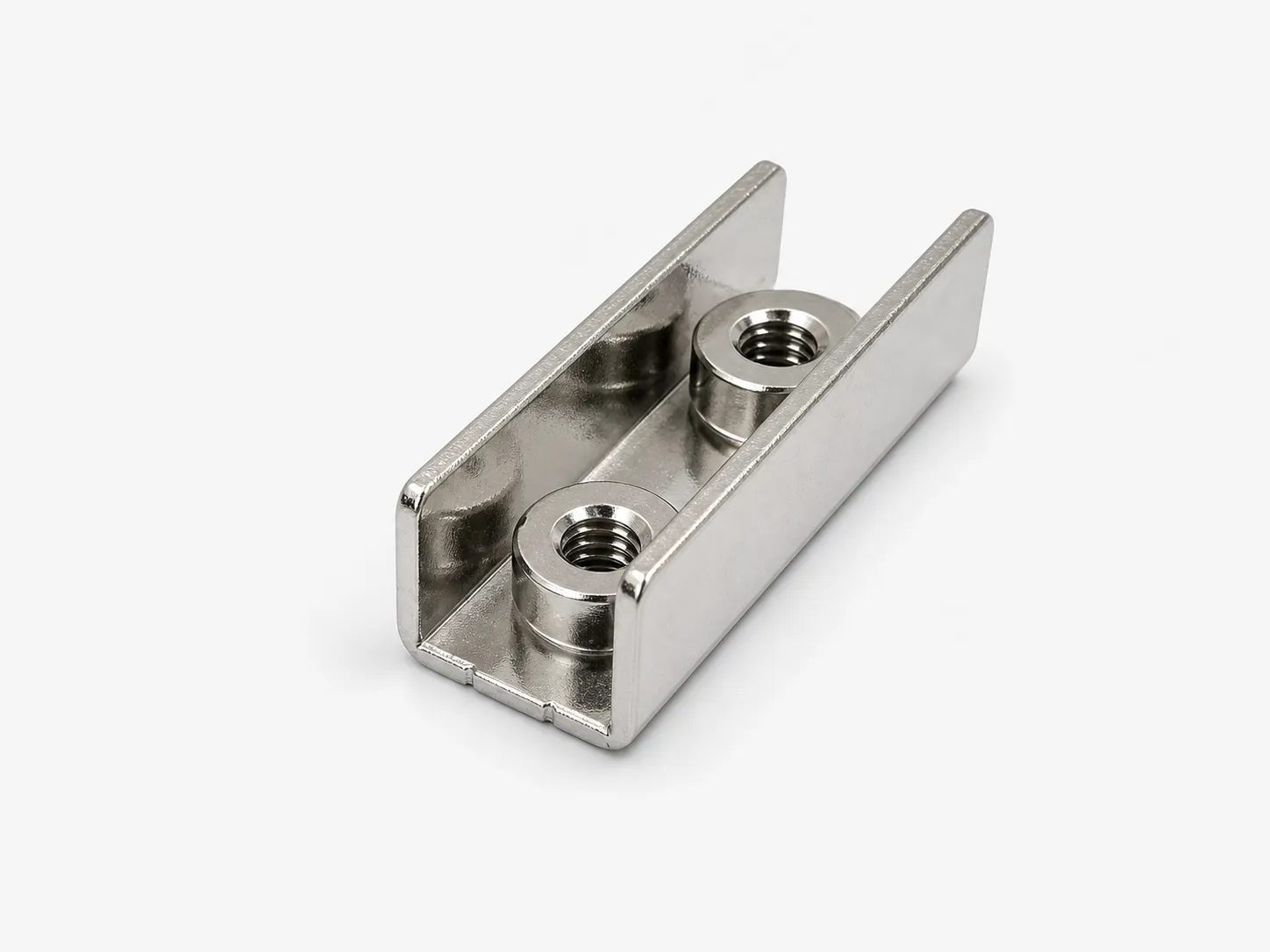
Review conductor drawings around material grade, thickness, formed geometry, contact zones, burr direction, plating or finish, inspection and packaging requirements.
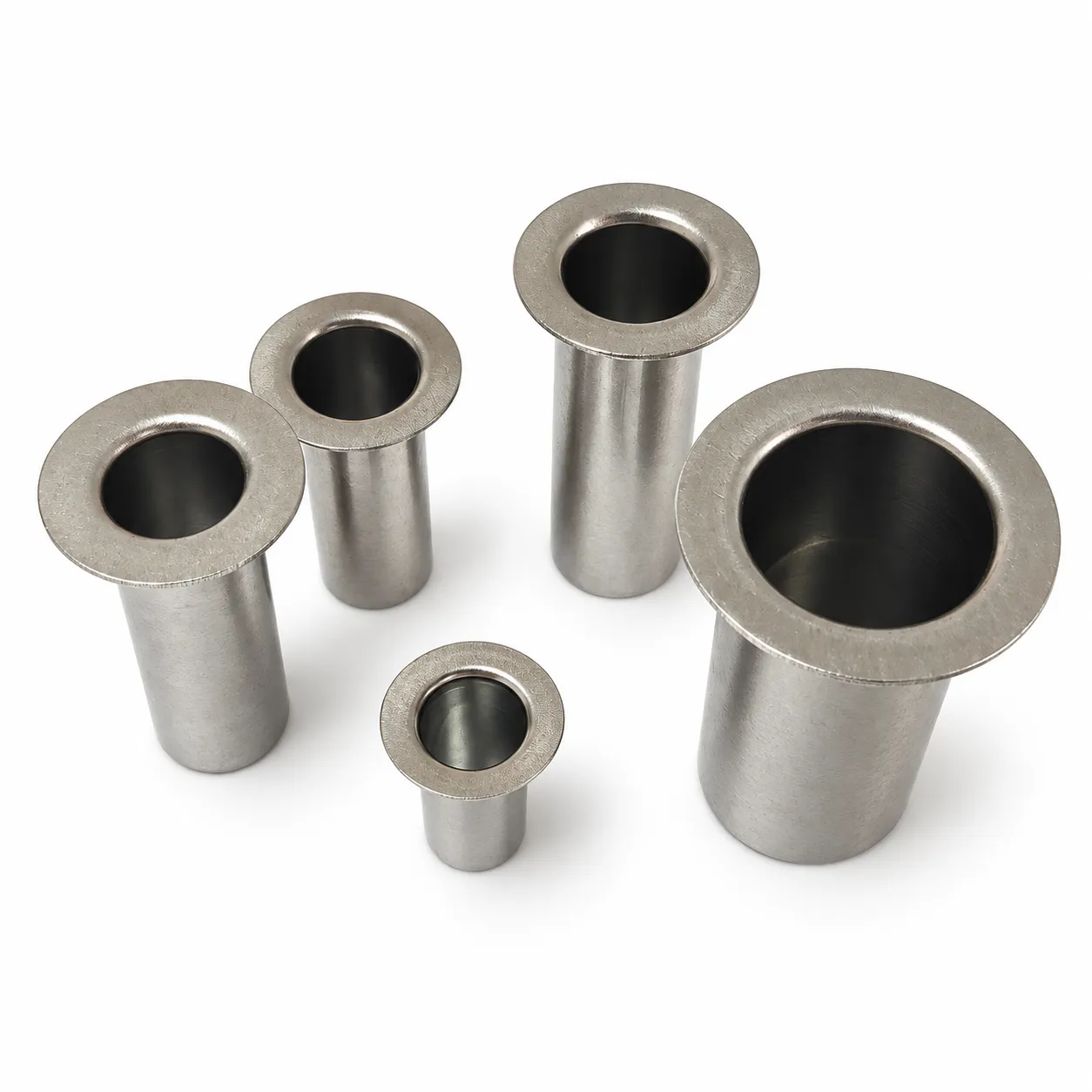
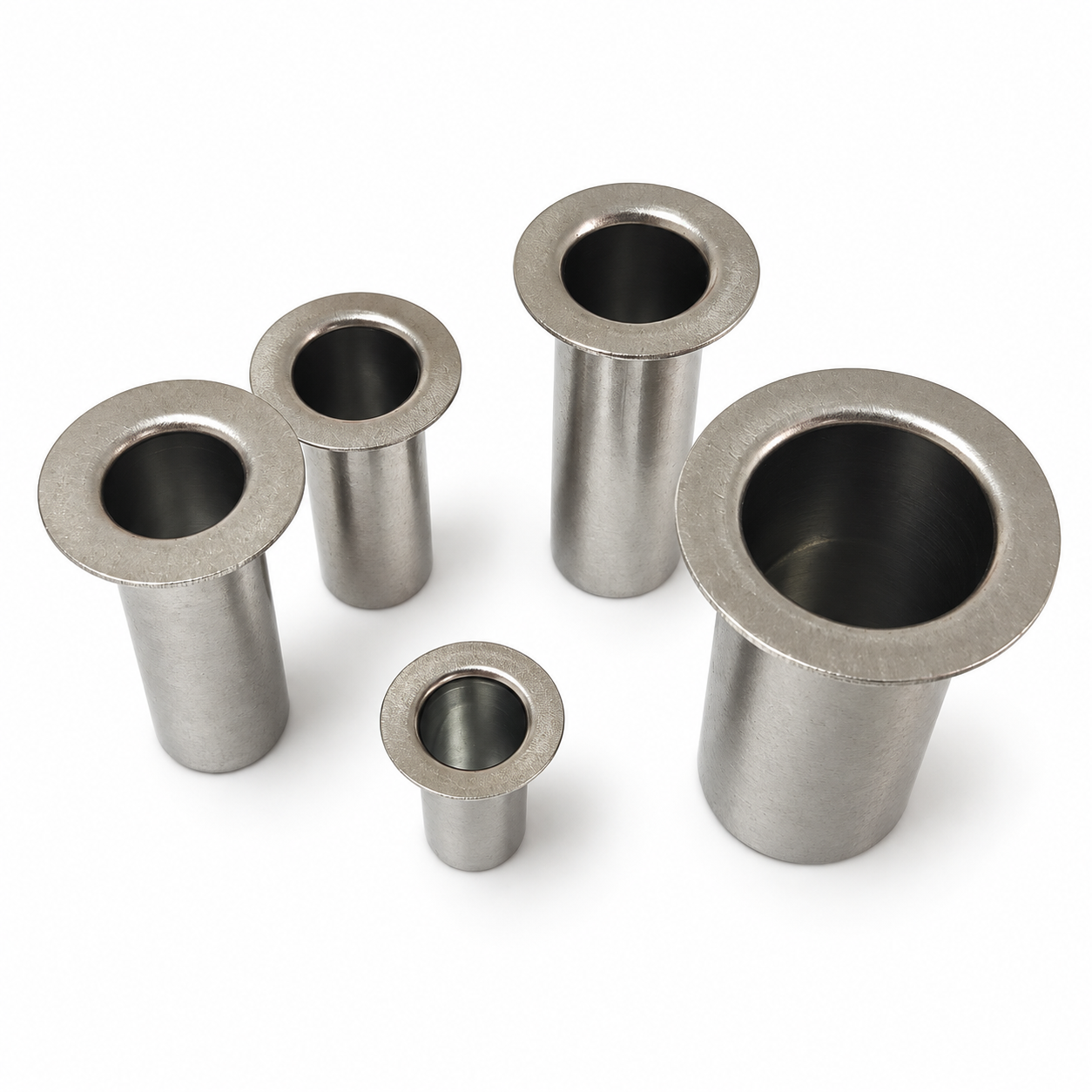
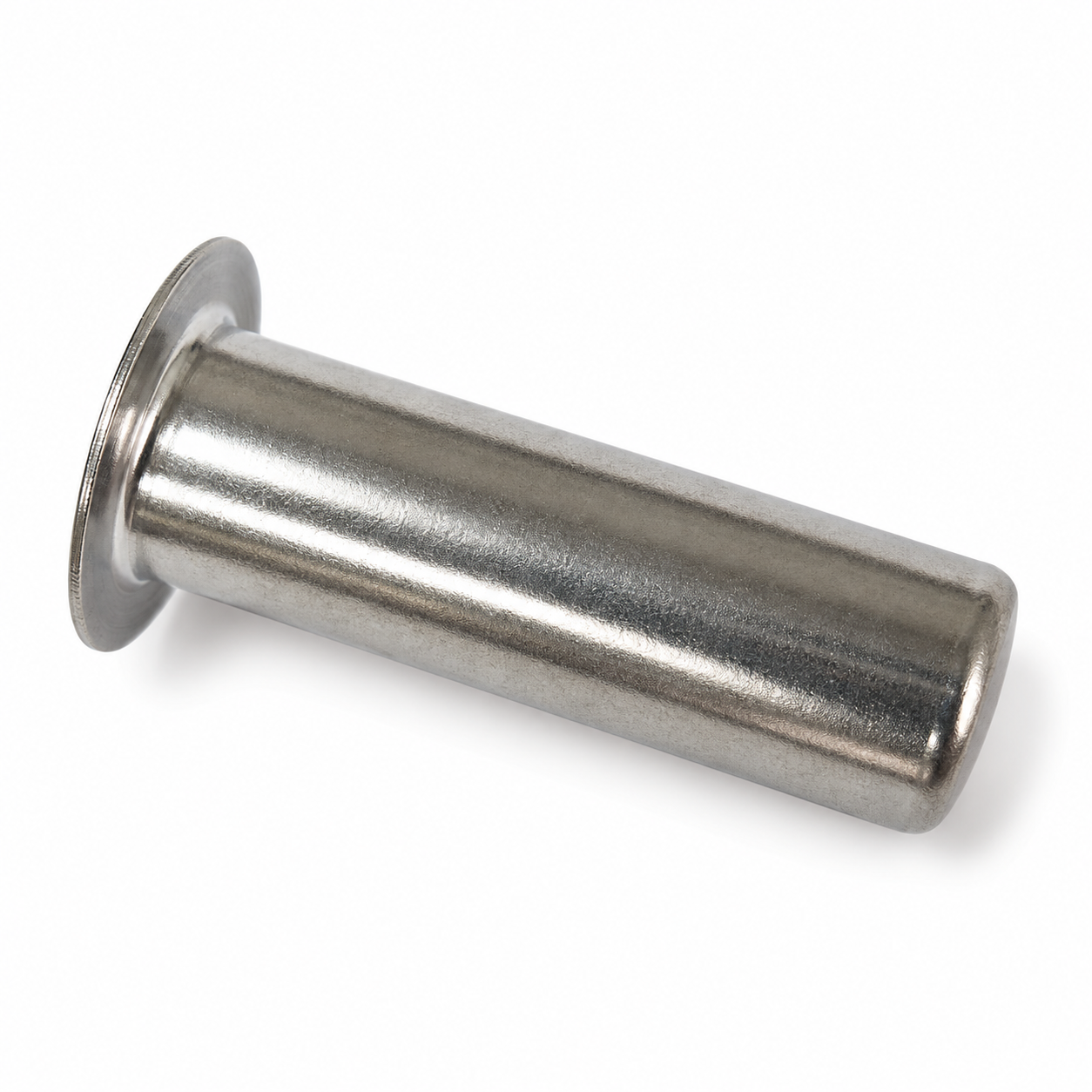
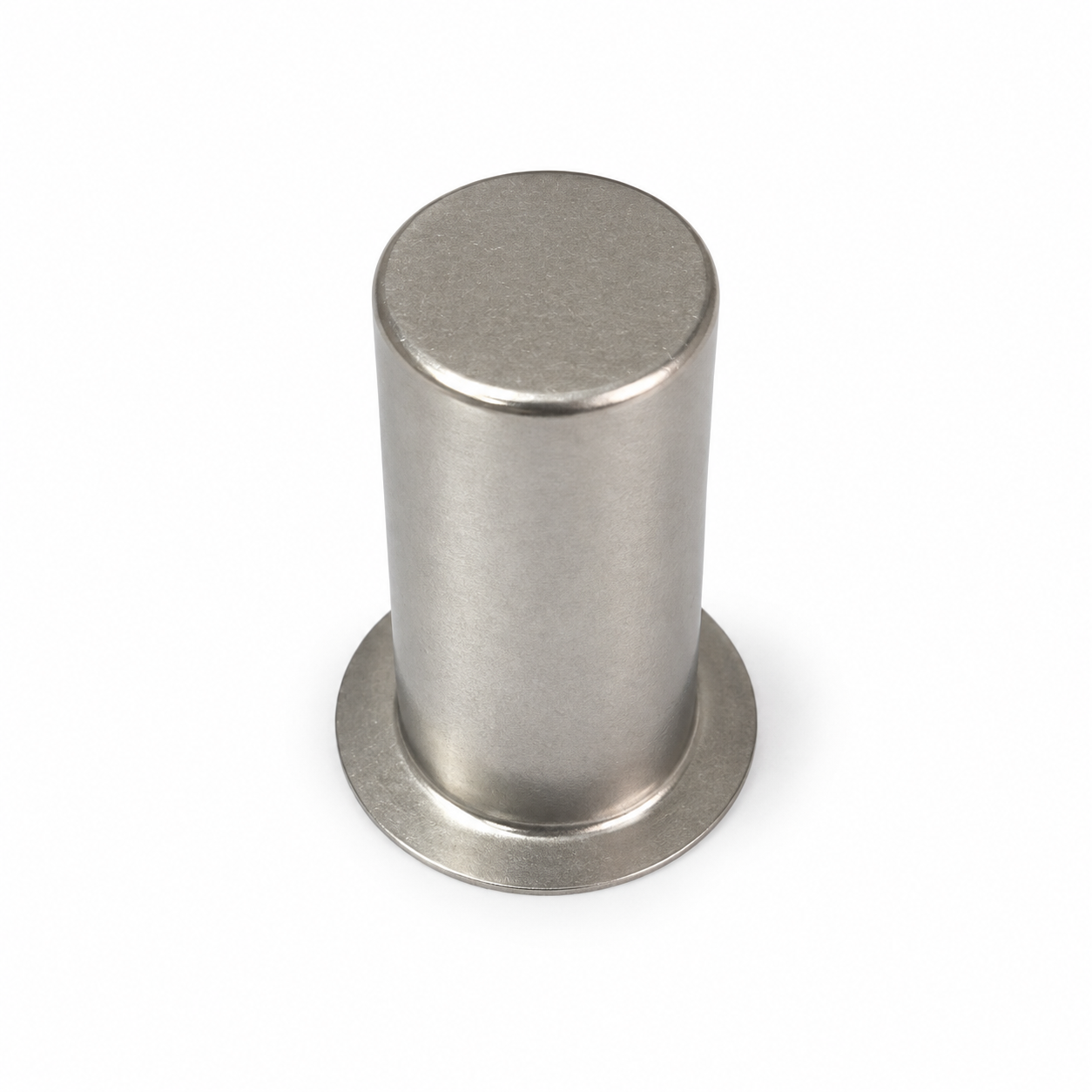
Terminal sleeves in several sizes, shown with the flange, opening, cylindrical wall and closed end. Send drawings to confirm dimensions, material, finish and fit.
Send cooling-part drawings for review of material, blade or formed geometry, burr direction, surface finish, assembly references and repeat inspection needs.
If the part does not fit a standard family, send the available drawing, sample reference or product context. We can first compare fabrication, stamping and staged validation routes.
Terminal sleeves in several sizes, shown with the flange, opening, cylindrical wall and closed end. Send drawings to confirm dimensions, material, finish and fit.
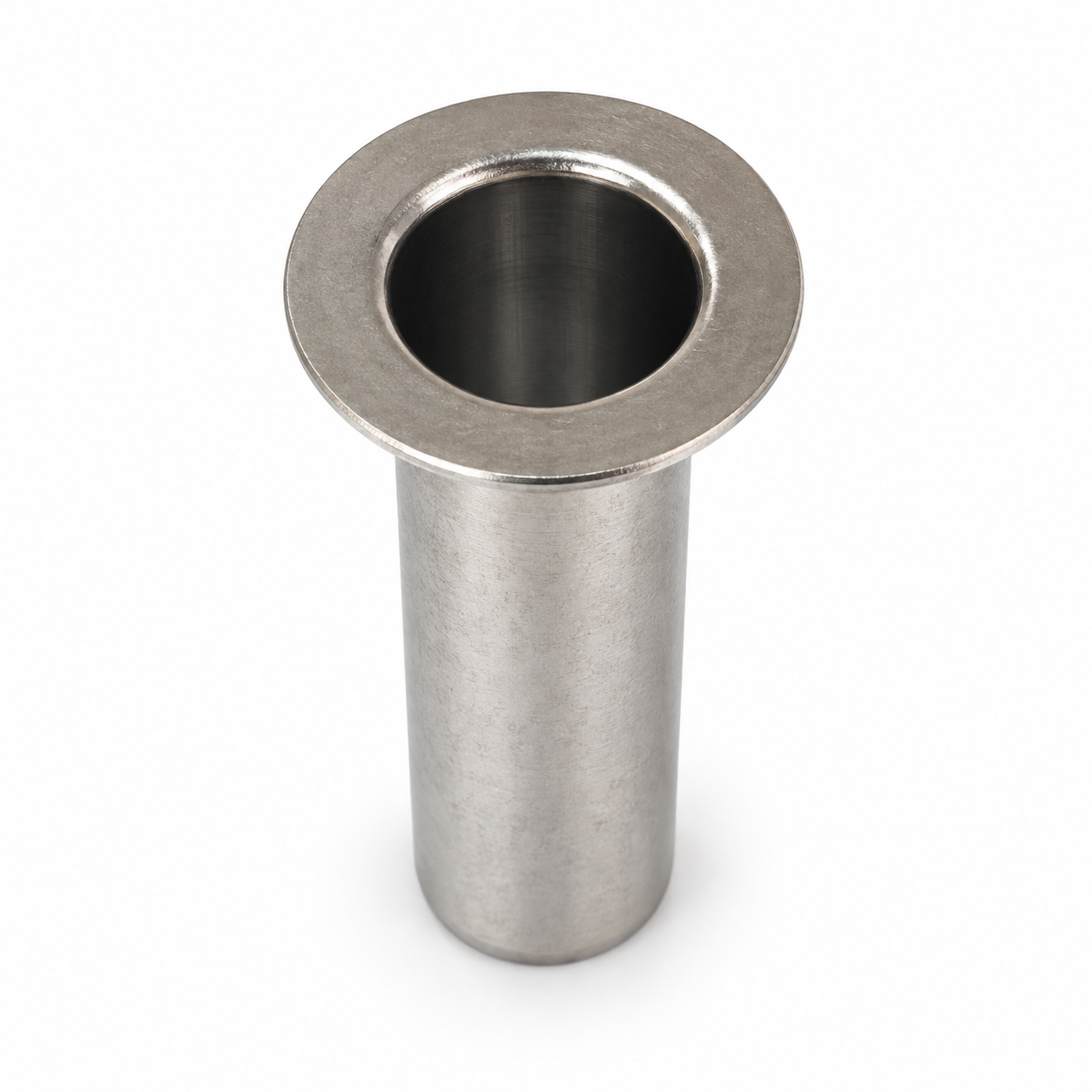
These samples show the same type of terminal sleeve in different sizes. For a quotation, send drawings with the inner and outer diameters, length, flange dimensions, material, surface finish, mating requirements and quantity. Dimensions and manufacturing requirements are subject to the confirmed drawings.
DFM and RFQ review
Make the manufacturing decisions visible before production
New-energy hardware combines mechanical, conductive, cooling and finishing requirements. We use the drawing review to identify what must be confirmed before samples, tooling or repeat production.
01
Drawing and assembly references
Start with 2D/3D files, sample photos, mounting points, cable openings, contact zones and any critical dimensions.
02
Material and forming risk
Review material, thickness, bends, formed geometry, burr direction, visible surfaces and features that may affect the manufacturing route.
03
Finish and functional surfaces
Clarify coating, plating, anodizing, grounding or contact areas, marking and surfaces that need protection during handling.
04
Samples and inspection plan
Align the sample route, approval points, inspection reports, gauges, packaging and repeat-production controls before release.
Low-friction engineering review
Send the available files, even when the specification is incomplete
The first review can flag missing inputs and manufacturing risks. Material, finish or volume can still be under discussion when you send the initial files.
 01