01
Customer Input
Collect drawings, 3D/2D files, material, finish, volume, inspection and packaging requirements.
Before production, we review stamping feasibility, tooling risks, surface finishing and inspection requirements.
CAD / PDF / STEP accepted · NDA available · We usually reply within one business day
Fast response. Documented quality. Right first time.
See a real project timelineHARVLAND is our website for overseas customers. Manufacturing is provided by Huizhou Guoji Precision Components Co., Ltd.
Certificate holderHuizhou Guoji Precision Components Co., LTD
Company and certificate detailsUse these representative parts to reach the closest manufacturing route, or send the drawing directly when the design does not fit a standard category.
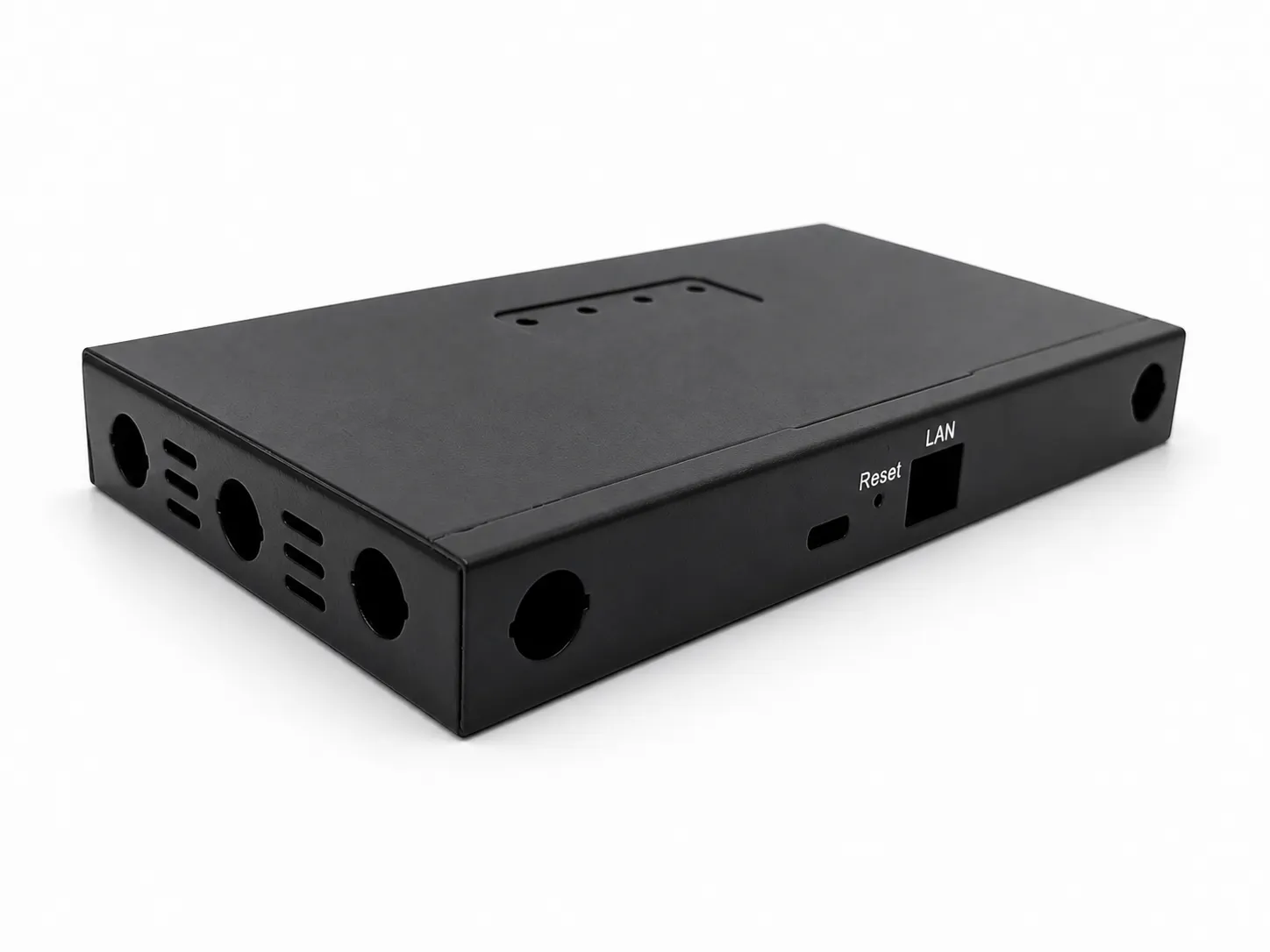
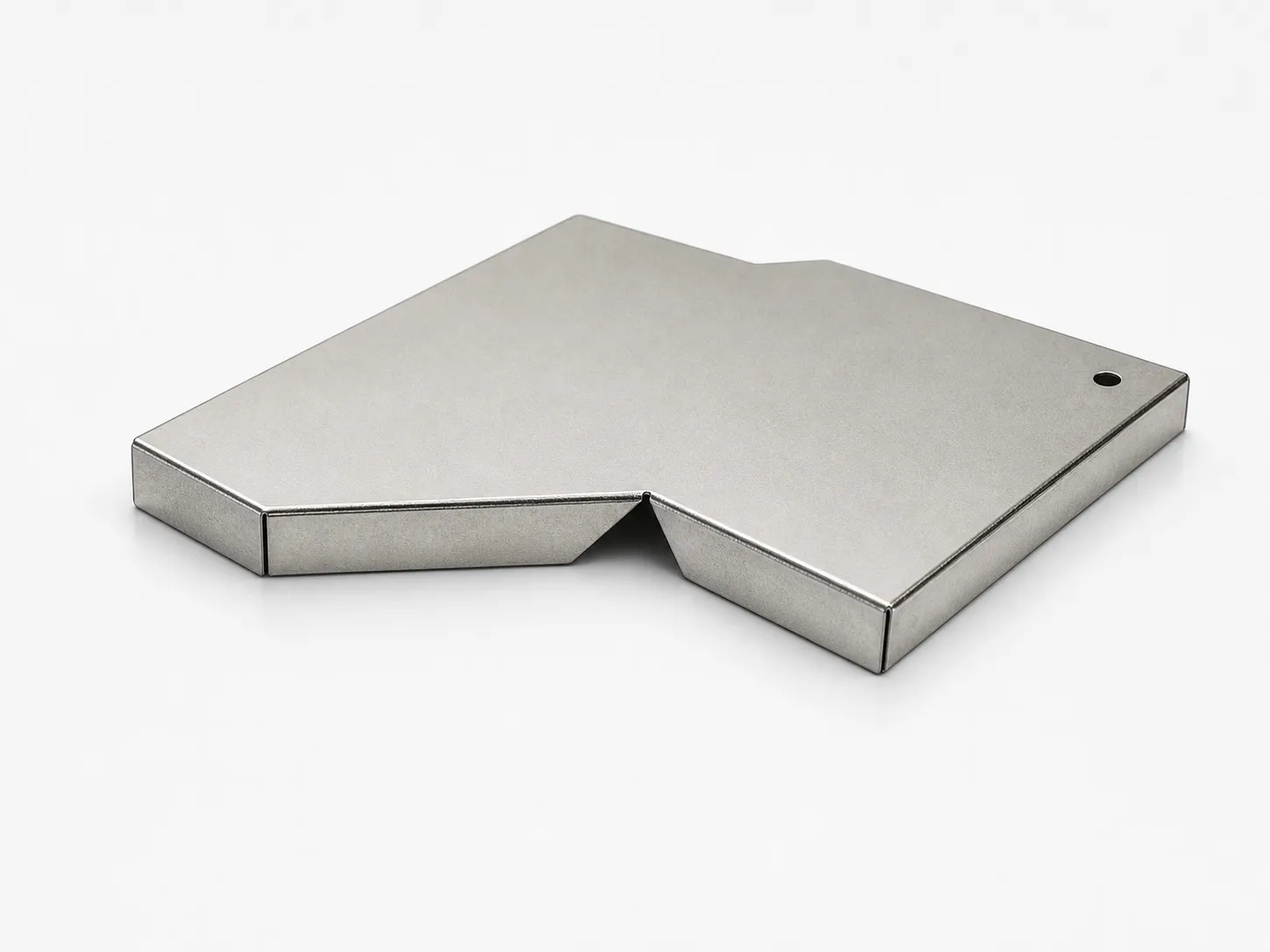
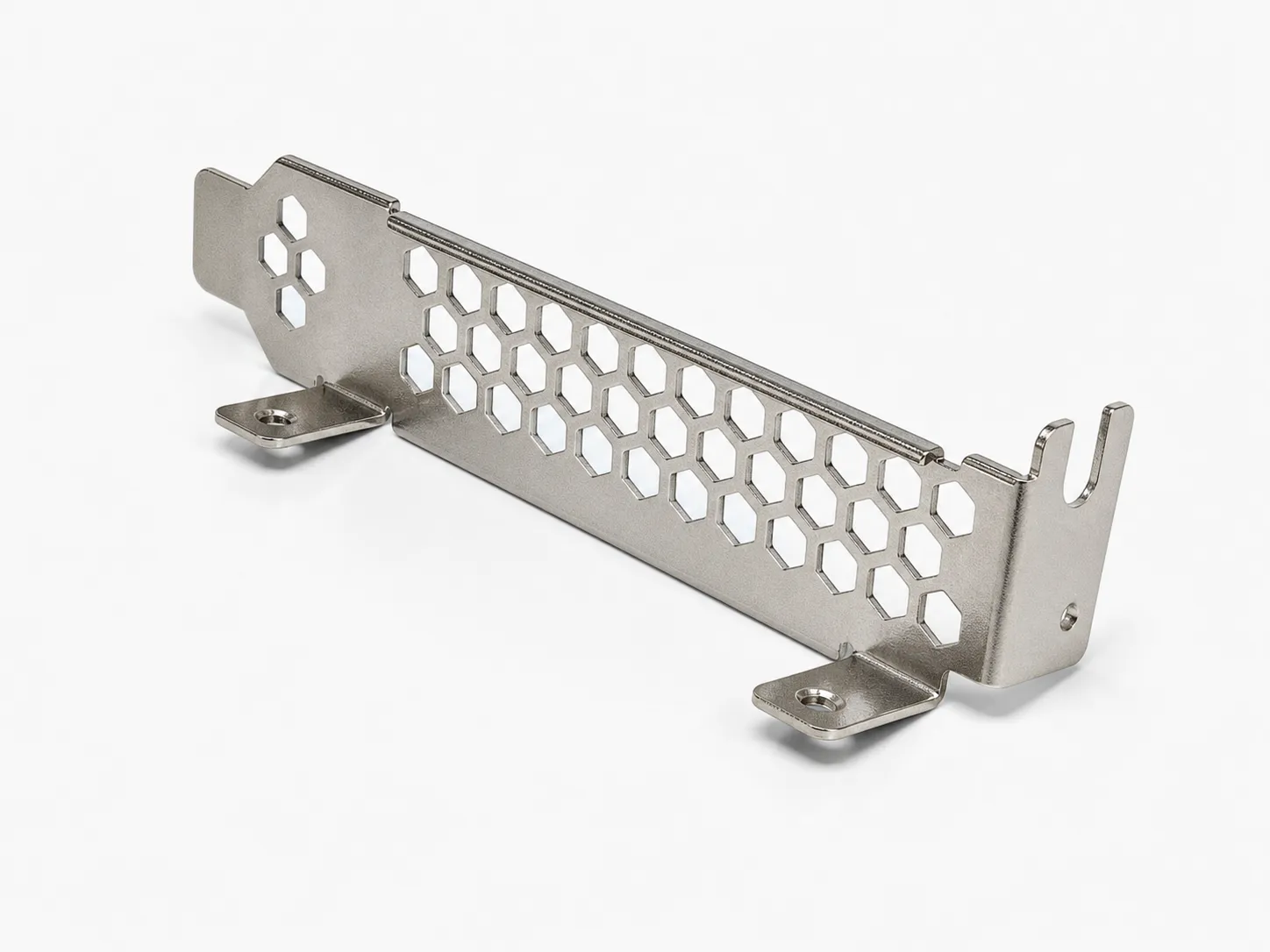
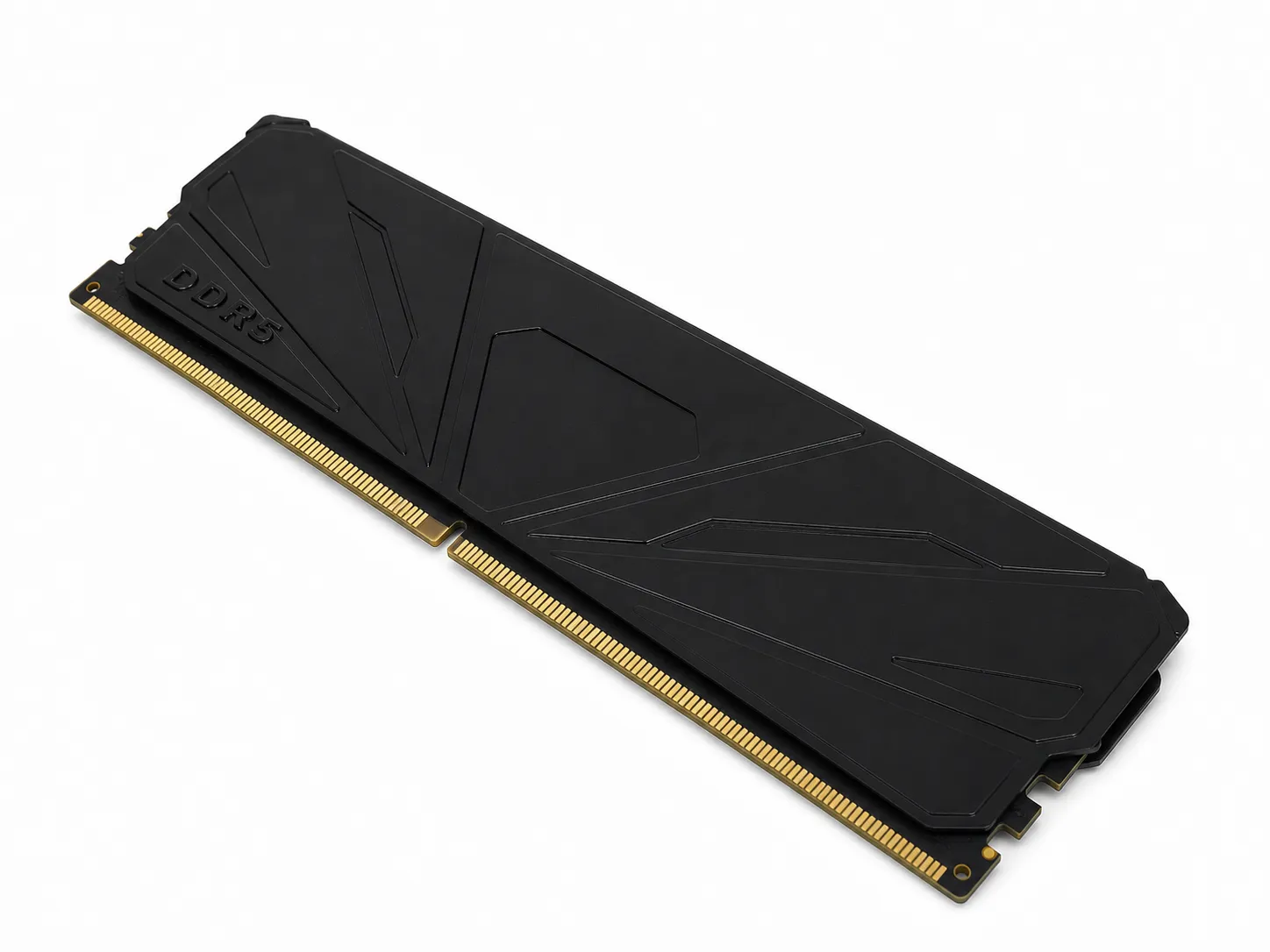
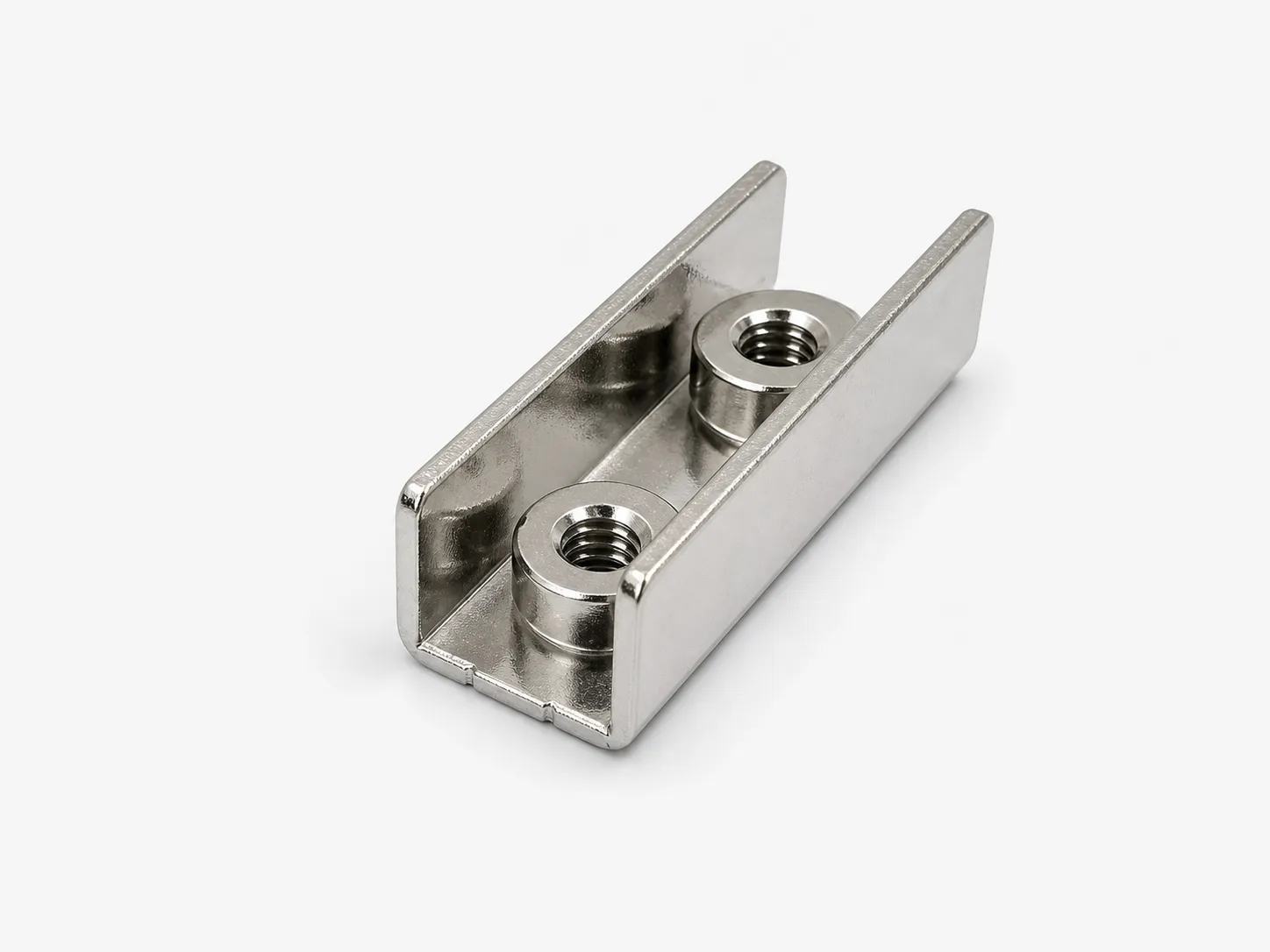
Check the process fit, then open the capability page for details.
| Process | Materials & scope | Precision & review | Samples to production |
|---|---|---|---|
| Metal stamping | Steel, stainless steel, aluminum and copper; 0.2–2.0 mm sheet can be reviewed. | ±0.02 mm on critical features, subject to drawing and process review. | Samples / die trials → sample approval → production. |
| Laser cutting & bending | Material, thickness and flat dimensions reviewed from drawings. | Confirmed against bends, hole locations and assembly fit. | Cut / bent samples → agreed production route. |
| Finishing & inspection | Powder coating, spray coating or plating to suit the substrate. | Appearance, coating thickness and inspection methods agreed per project. | Sample approval → batch inspection. |
Collect drawings, 3D/2D files, material, finish, volume, inspection and packaging requirements.
Review stamping feasibility, tolerance risk, springback, burr direction and tooling direction.
Confirm quotation, sample route, project plan, inspection plan and sample validation path.
Design production tooling, run T0/T1/T2 trials, correct dimensions, burr and springback.
Run pilot production, customer approval, PPAP if required and controlled mass production.
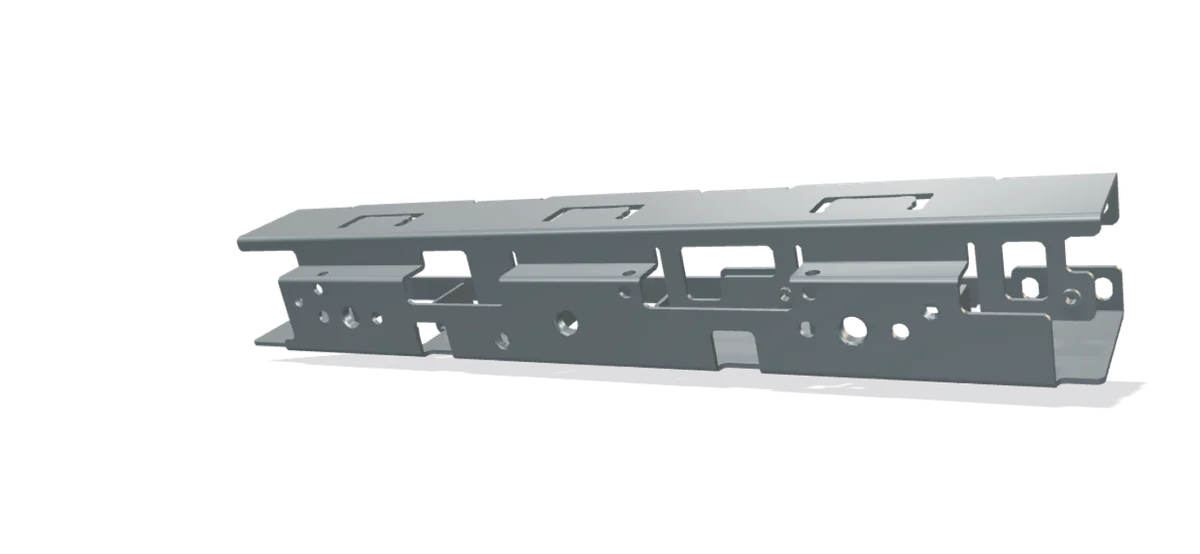
The CPE enclosure shows a phased delivery route. The shielding cover and battery housing explain typical process decisions, not completed customer projects.
Laser cutting and bending provided the first enclosure for customer review.
Customer changes were incorporated before sample approval.
The same laser-and-bending route supplied urgent orders while die development ran in parallel.
The progressive die was completed and production switched to stamping.
These timings describe this project only. A new project’s schedule depends on the drawing, changes, tooling and agreed plan.
Share a sketch, photos or the intended use. We can discuss materials, manufacturing options and assembly risks before preparing a quote.
Yes. Send the available 2D or 3D files, sample photos, material, thickness or intended use, and we will first identify missing information and the main manufacturing risks.
We can review both routes. Based on the part structure, quantity, precision, appearance and cost target, we will assess whether stamping, sheet metal fabrication or staged validation is the better fit.
We focus on material, sheet thickness in the 0.2–2.0 mm review range, critical-feature tolerances down to ±0.02 mm when the drawing and process allow, bending or drawing risk, burr direction, visible surfaces, finishing, inspection method and annual volume.
Yes. HARVLAND supports no-MOQ sample validation when the route is feasible. Early-stage projects can confirm fit, appearance and critical dimensions through samples, a pilot run or a simplified validation route before committing to production tooling.
Yes. Depending on the project, we can coordinate powder coating, plating, anodizing, screen printing and marking, and provide sample inspection reports, material documents or project-specific quality records.
Upload drawings with material, finish and quantity notes on the RFQ page, and the engineering team will reply within one business day.