Surface Finishing for Stamped Metal Parts and Sheet Metal Enclosures
Finishing decisions affect fit, corrosion resistance, appearance, conductivity, assembly handling and final inspection. Plan the finish before tooling or mass production so coating surprises do not appear late.
±0.02 mm tolerancefor critical features, subject to drawing and process review
0.2–2.0 mmsheet thickness range
ISO 9001 / ISO 14001quality and environmental management systems
No MOQfor sample validation
Finish + inspectionplanned for your project
Finish route explorer
Compare the route before you specify the finish
Review the main role, material match and manufacturing risk for each route. Final requirements follow the approved drawing, specification and sample.
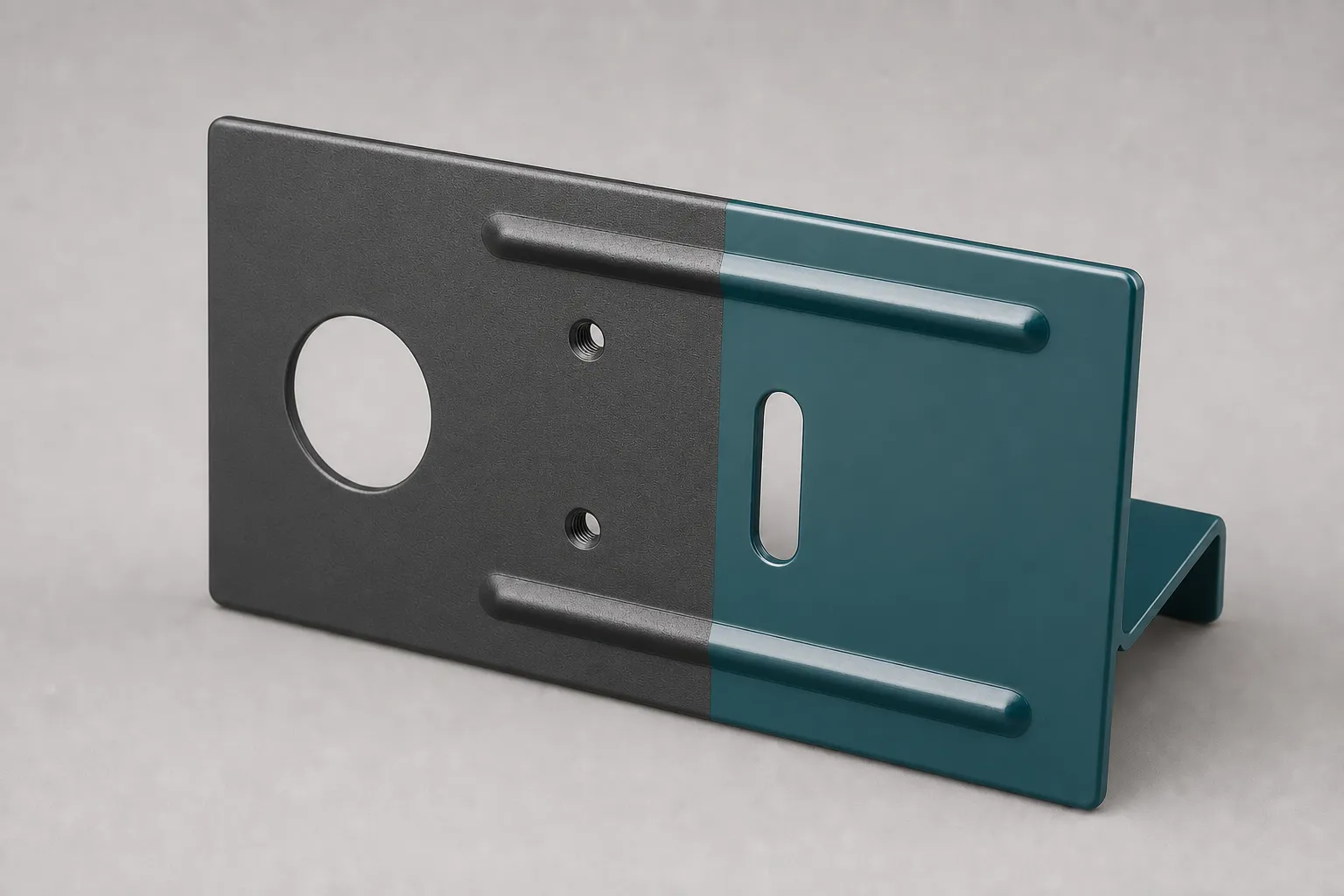
FinishPowder coating / liquid spray coating
Finish
Powder coating / liquid spray coating
Primary role
Color, protection, wear resistance, texture and local-color route for enclosures, panels and chassis.
Material Match
Steel and galvanized parts often use plating, powder coating, liquid spray coating or anti-rust treatment.
Manufacturing Risk
Define cosmetic surfaces, acceptable marks, color sample and packaging protection.
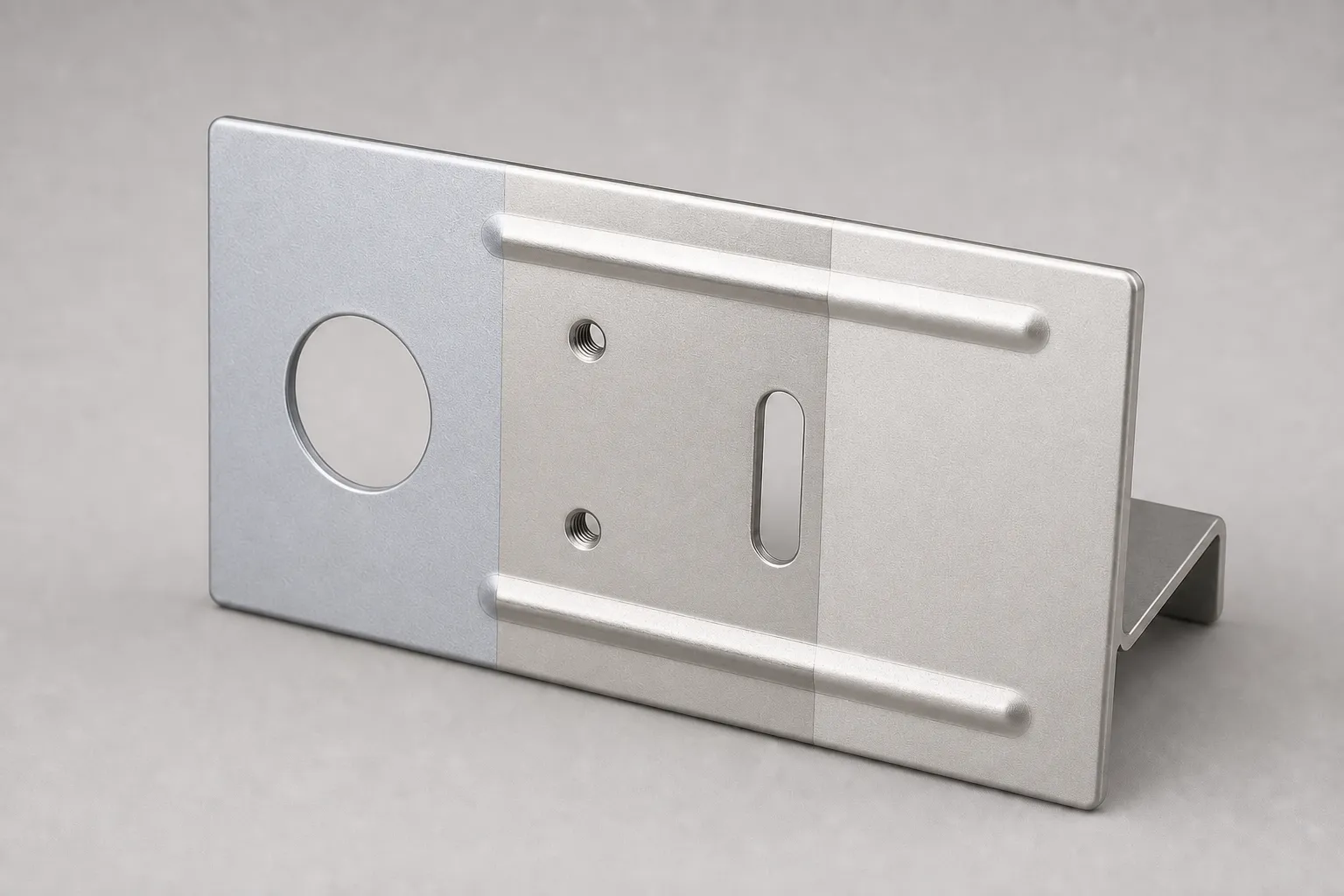
FinishPlating
Finish
Plating
Primary role
Zinc, nickel, tin and other conductive, solderable or anti-corrosion finishes.
Material Match
The right finish depends on material, environment, contact function, appearance and compliance requirements. A better quote connects finish choice to the part's real use.
Manufacturing Risk
Review coating thickness where parts slide, stack, contact electronics or accept inserts.
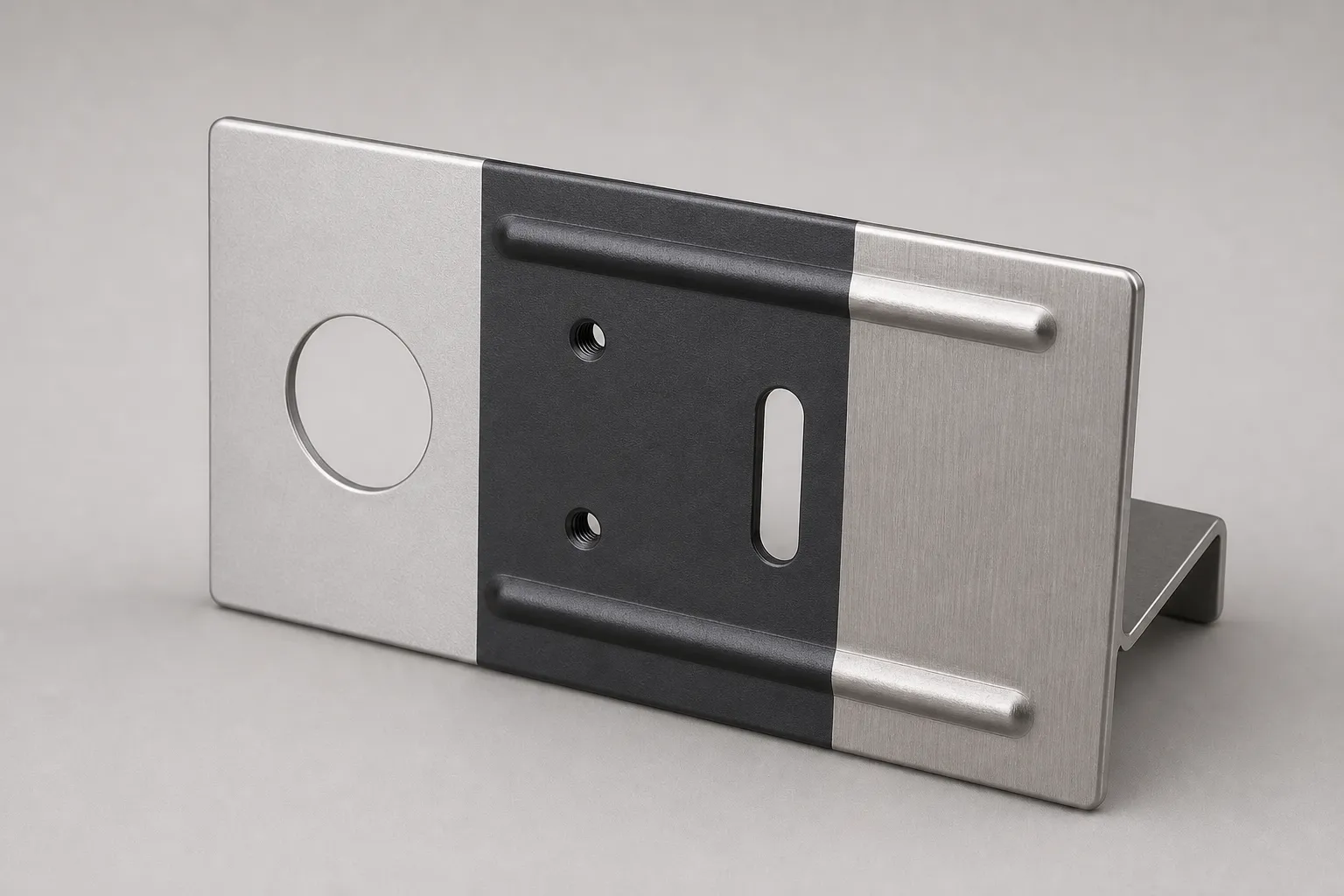
Aluminum parts may use anodizing, brushing, powder coating, liquid spray coating or cleaning depending on appearance and fit; stainless steel parts may use passivation for corrosion resistance.
Manufacturing Risk
Define cosmetic surfaces, acceptable marks, color sample and packaging protection.
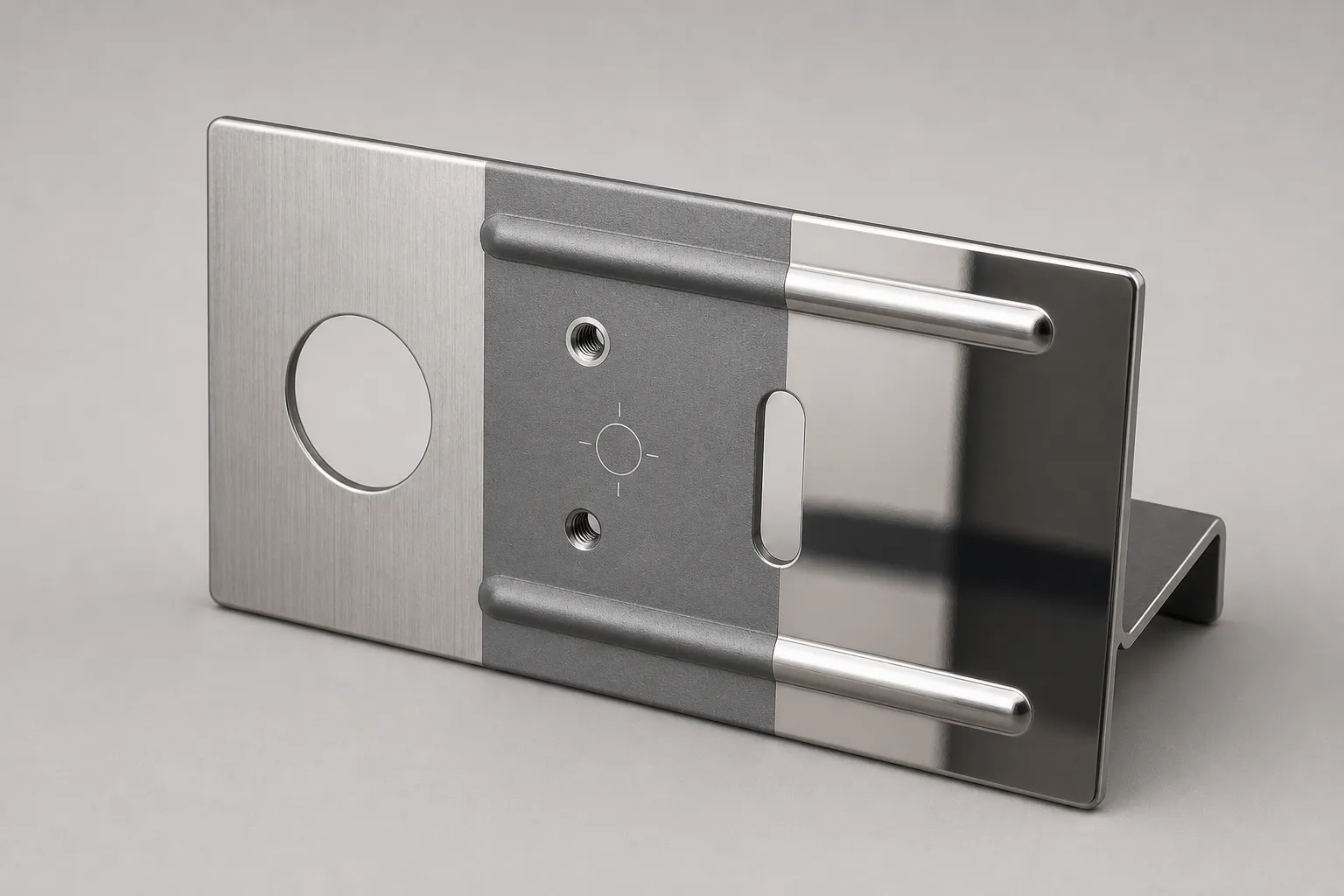
Visible surface texture, edge highlights, markings and cosmetic surface requirements.
Material Match
Aluminum parts may use anodizing, brushing, powder coating, liquid spray coating or cleaning depending on appearance and fit; stainless steel parts may use passivation for corrosion resistance.
Manufacturing Risk
Define cosmetic surfaces, acceptable marks, color sample and packaging protection.
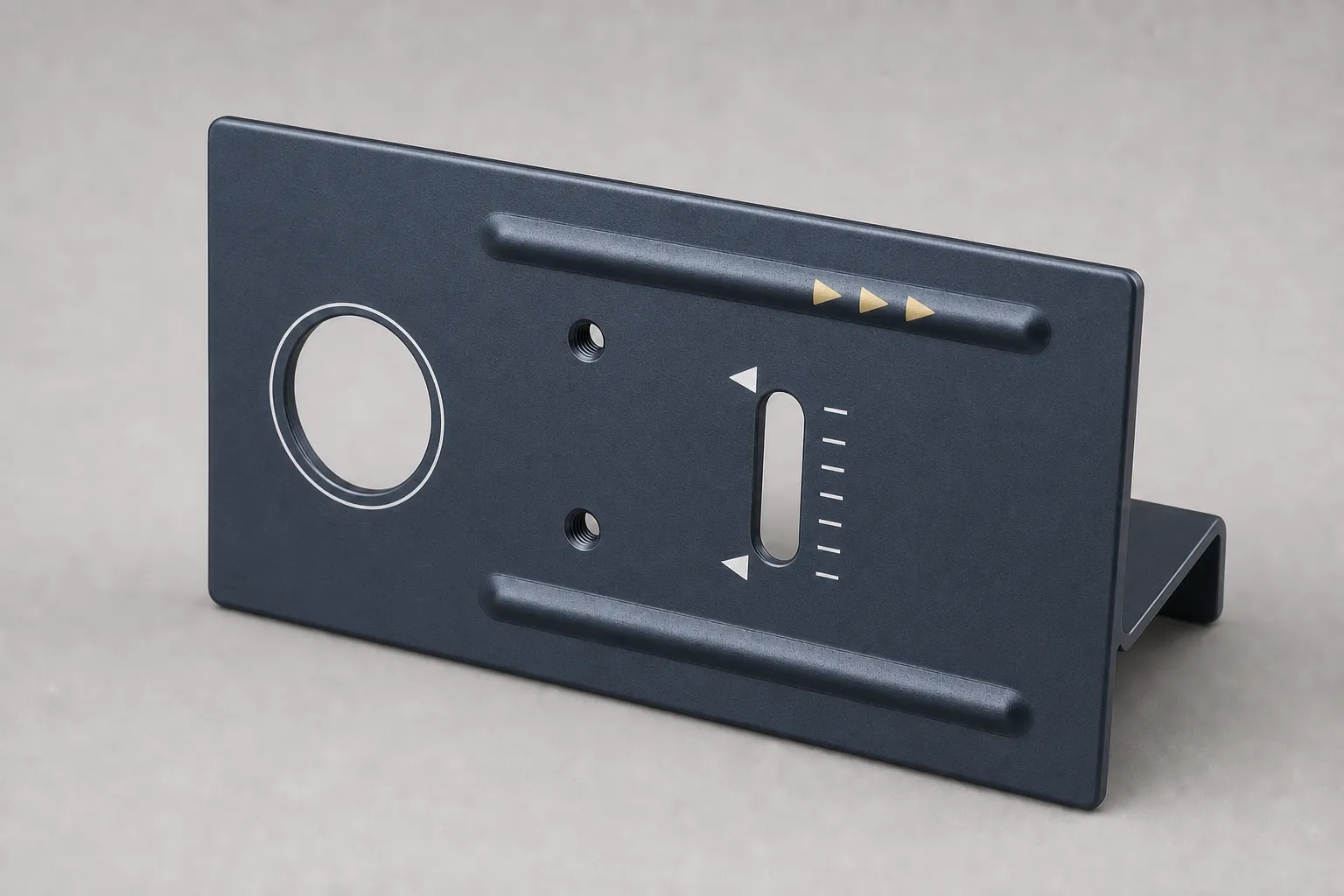
PrintingScreen printing / pad printing
Printing
Screen printing / pad printing
Primary role
Printing requirements for product-facing surfaces, marks, labels and graphic patterns.
Material Match
The right finish depends on material, environment, contact function, appearance and compliance requirements. A better quote connects finish choice to the part's real use.
Manufacturing Risk
Define cosmetic surfaces, acceptable marks, color sample and packaging protection.
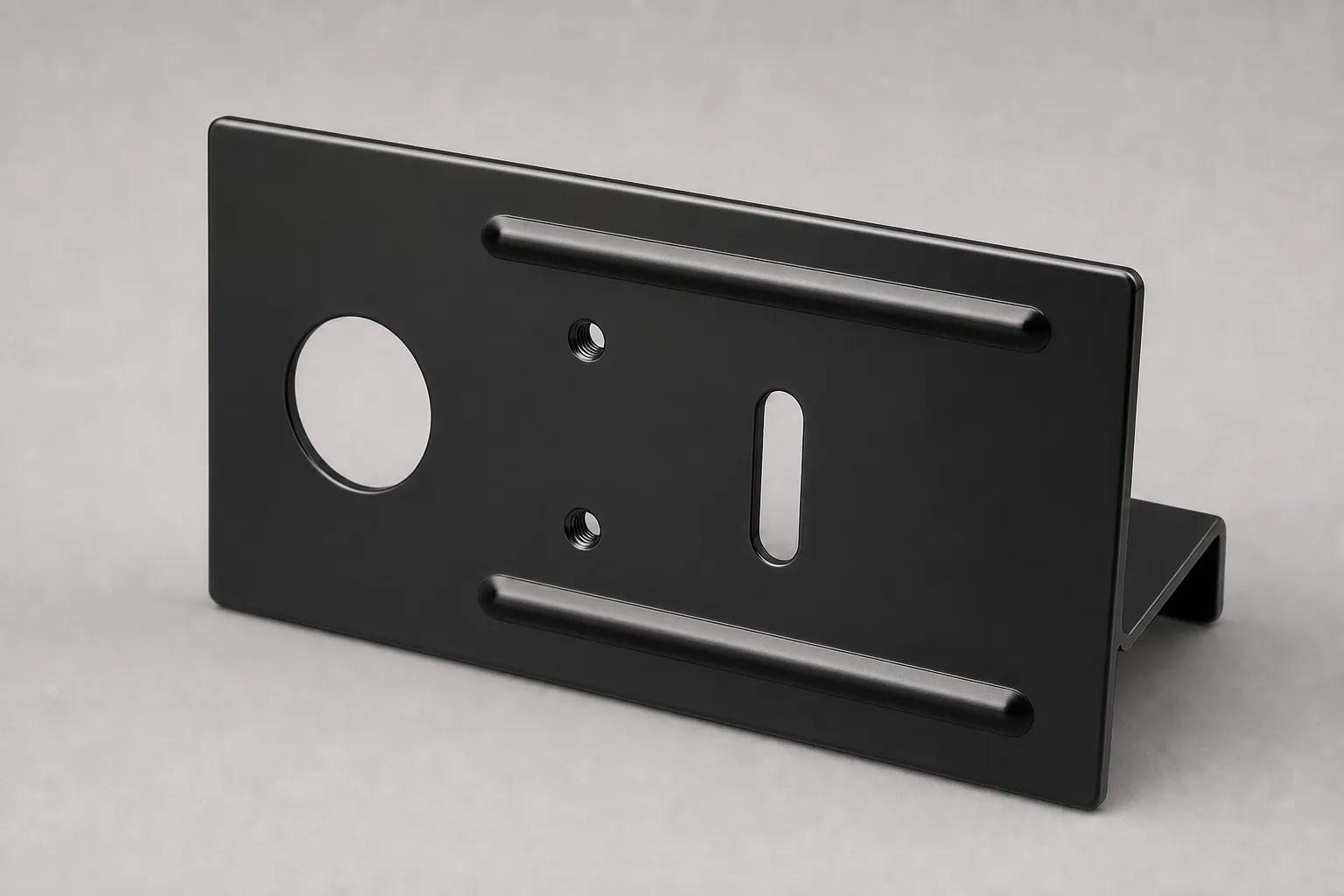
FinishE-coating
Finish
E-coating
Primary role
Uniform coating, protection and corrosion resistance route for metal parts.
Material Match
Steel and galvanized parts often use plating, powder coating, liquid spray coating or anti-rust treatment.
Manufacturing Risk
Review coating thickness where parts slide, stack, contact electronics or accept inserts.
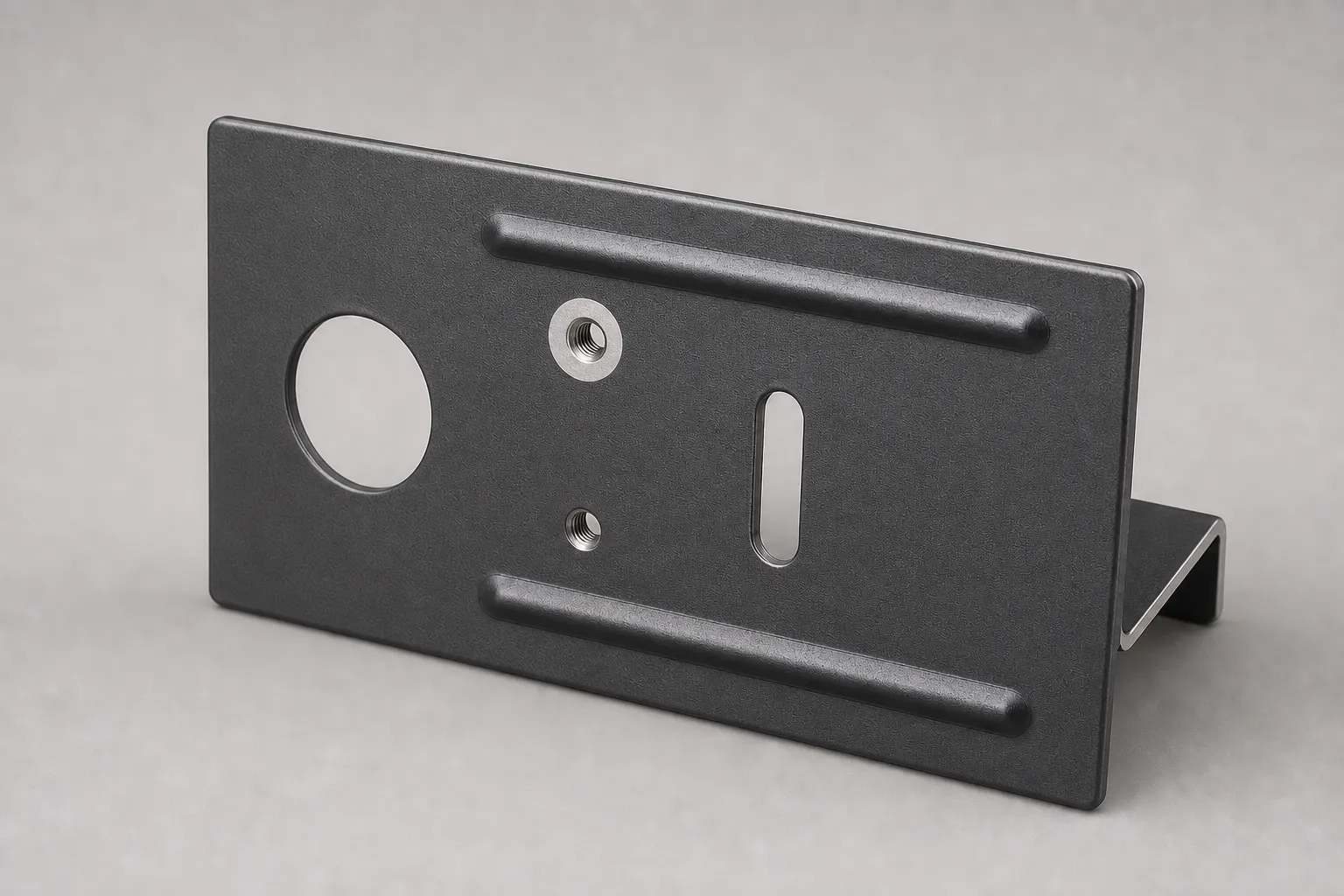
EngineeringMasking and fit
Engineering
Masking and fit
Primary role
Grounding points, threaded holes, inserts and mating surfaces reviewed before coating.
Material Match
The right finish depends on material, environment, contact function, appearance and compliance requirements. A better quote connects finish choice to the part's real use.
Manufacturing Risk
Mark masked holes, grounding surfaces, threaded features, mating faces and no-coating zones.
Images show representative visual examples only—not color, gloss, process verification or acceptance samples. Final requirements follow approved drawings and samples.
Selection logic
Plan finishing before production release
Finish requirements should be reviewed before tooling and mass production because coating thickness, masking, color and conductivity can affect part fit and buyer acceptance.
Finish Planning01
Plan finishing before production release
Finish requirements should be reviewed before tooling and mass production because coating thickness, masking, color and conductivity can affect part fit and buyer acceptance.
Powder coating is common for visible enclosures, chassis and equipment covers; liquid spray coating can support appearance color, gloss or local-color requirements.
Plating can support corrosion resistance, solderability, grounding or conductivity.
E-coating, anodizing, passivation, brushing, sandblasting, laser engraving, diamond-cut edges, polishing, screen printing and pad printing are common appearance and protection routes for product-facing parts.
Manufacturing Risk02
Avoid late problems from coating thickness or masking
A finish that looks simple on a drawing can create late problems if it blocks threads, changes clearance, covers grounding areas or alters cosmetic expectations.
Mark masked holes, grounding surfaces, threaded features, mating faces and no-coating zones.
Review coating thickness where parts slide, stack, contact electronics or accept inserts.
Define cosmetic surfaces, acceptable marks, color sample and packaging protection.
Material Match03
Choose finishes that fit the base metal and application
The right finish depends on material, environment, contact function, appearance and compliance requirements. A better quote connects finish choice to the part's real use.
Steel and galvanized parts often use plating, powder coating, liquid spray coating or anti-rust treatment.
Aluminum parts may use anodizing, brushing, powder coating, liquid spray coating or cleaning depending on appearance and fit; stainless steel parts may use passivation for corrosion resistance.
Copper, brass and electronic parts may need tin, nickel, cleaning or conductivity-focused treatment.
RFQ Inputs04
Send finish details that make the quote usable
A clear finish requirement reduces re-quotes and late sample disputes. If the exact standard is unknown, photos or a sample can still help review.
Provide finish type, color, gloss, texture, coating thickness or specification where available.
Share samples, photos or product-facing appearance requirements when color or texture matters.
Include test needs such as salt spray, adhesion, coating thickness, RoHS, REACH or appearance inspection.
Have a question about your part? Leave a message and a reply email.
01Can surface finishing be quoted with stamped parts?
Yes. Surface finishing can be reviewed together with stamping or sheet metal fabrication when drawings include material, finish and appearance requirements.
02Which finish is best for enclosures?
The route depends on material, environment, appearance and electrical needs. Powder coating, liquid spray coating, plating, e-coating, anodizing, passivation, brushing, sandblasting, laser engraving, diamond-cut edges, polishing, screen printing and pad printing are common options.
03Can coating thickness affect assembly?
Yes. Coating can affect threaded holes, inserts, grounding, mating surfaces and sliding covers. Masking and critical fit areas should be marked before quoting.
04What finish information should be sent for RFQ?
Send finish type, color, coating standard, sample or photo, cosmetic surface notes, masking requirements, test requirements and packaging expectations.
✓
Your question has been recorded
Thank you. We will reply to the email address you provided. You do not need to submit again.
 FinishPowder coating / liquid spray coating
 FinishPlating
 FinishAnodizing / passivation
 FinishBrushing / sandblasting / laser engraving / diamond-cut edge / polishing
 PrintingScreen printing / pad printing
 FinishE-coating
 EngineeringMasking and fit