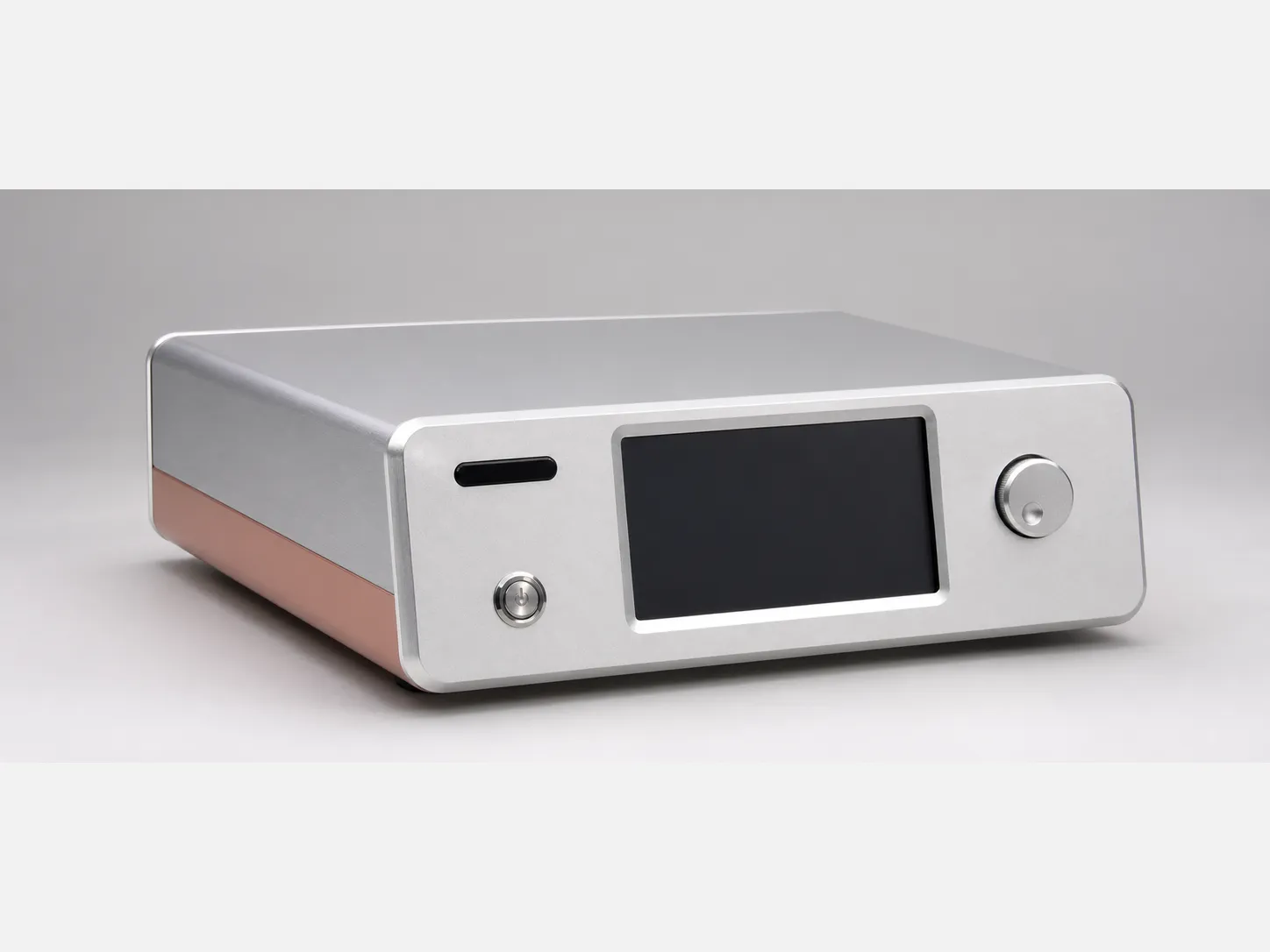
Sheet metal fabrication

Custom Sheet Metal Fabrication for OEM Enclosures and Parts

Send drawings or STEP files for fabrication review before production. HARVLAND checks material, thickness, bend risk, hardware, finishing and inspection needs so your quote reflects the real manufacturing route.
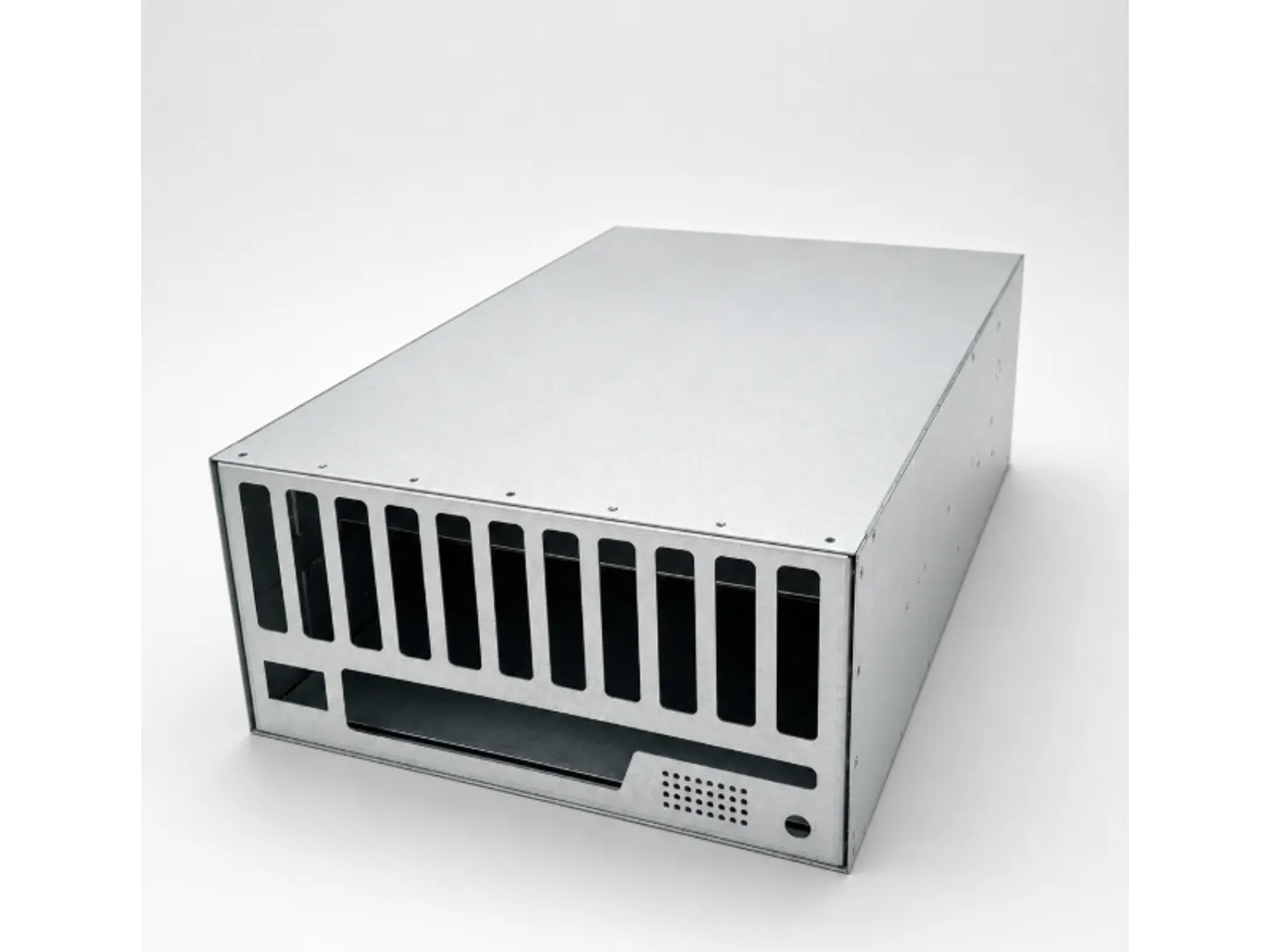
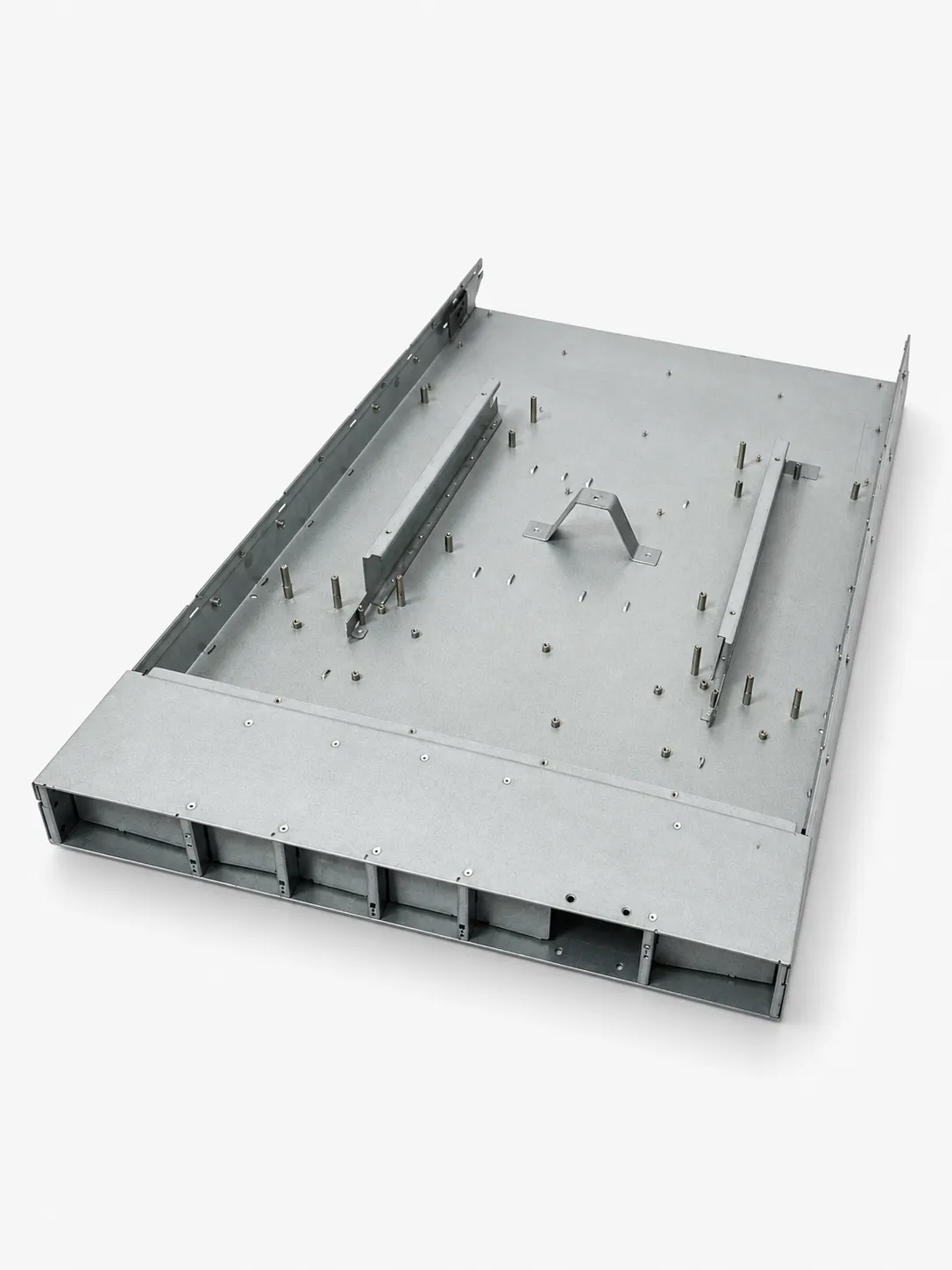
Sheet metal fabrication: Enclosures and chassis
Fabrication route Cutting + bending Laser-cut profiles, bend lines, flat patterns and forming risk reviewed from drawings.
Sheet metal fabrication: DFM before quote
Sheet metal fabrication: Enclosures and chassis
DFM review before tooling decisions
ISO 9001 / ISO 14001 quality and environmental system support
No MOQ for sample validation
0.2mm-2.0mm target sheet metal range
Finish + inspection planned by project route
Process path

From drawing review to inspected production
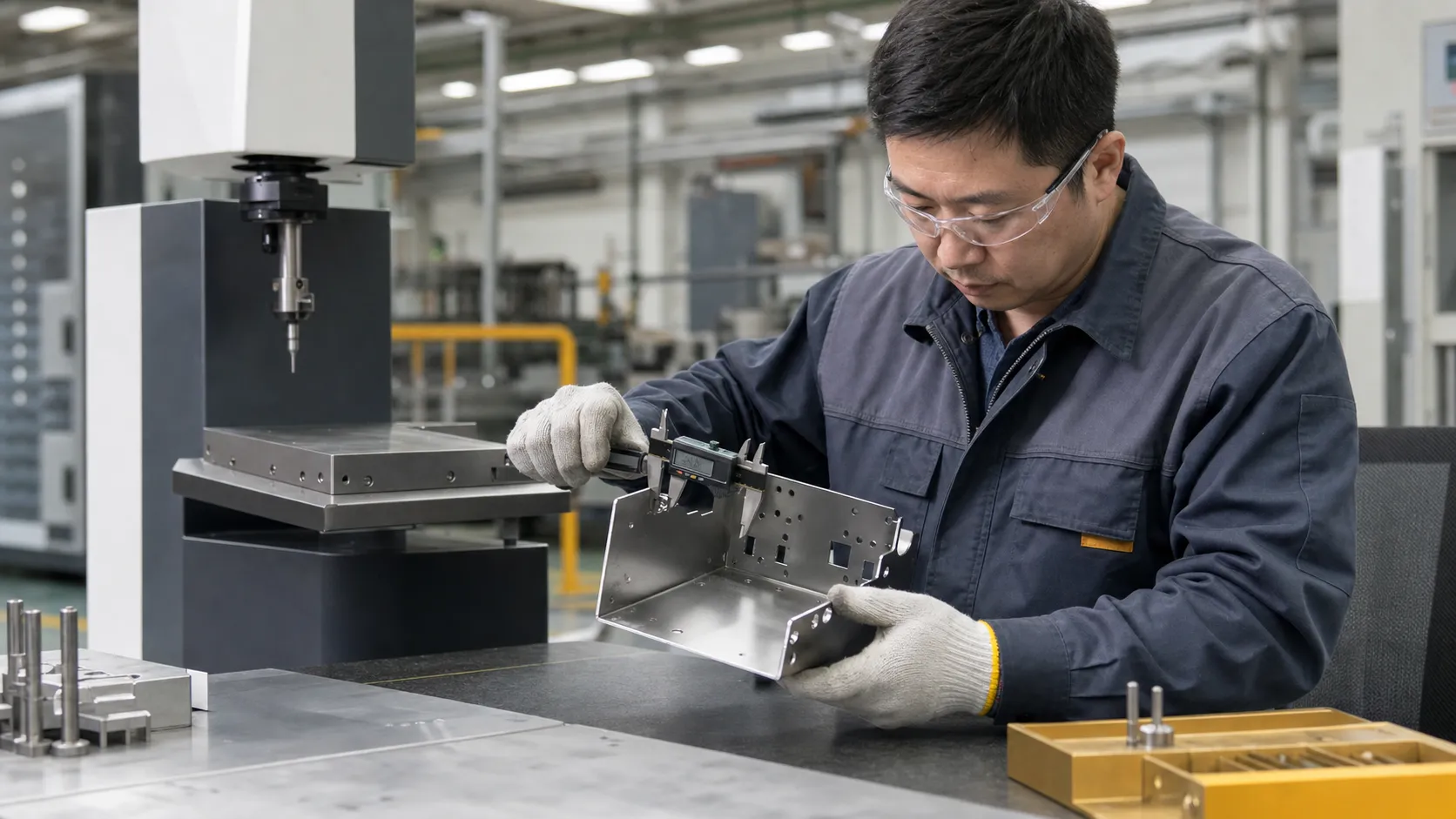
Buyer Starting Point

Turn drawings into a clear fabrication route

Most sheet metal projects arrive as drawings, STEP files or sample photos. The first job is to identify the manufacturing route before cost, lead time or quality expectations are locked in.

  • Review laser cutting, punching, press brake bending, riveting, welding and assembly needs from one drawing package.
  • Confirm material grade, thickness, bend direction, bend relief, hole spacing and cosmetic surfaces.
  • Use the RFQ to surface risks that can change price, lead time, sample route or finishing method.
Sheet metal fabrication: Turn drawings into a clear fabrication route
Engineering check DFM before quote
DFM Review 02

Catch bend, fit and finish issues before production

Good fabrication review protects the buyer from avoidable rework. The review looks for fit problems, tolerance pressure and finish conflicts before parts are cut or bent.

  • Check bend radius, flange length, cutout location, insert clearance, weld access and assembly fit.
  • Plan coating or plating thickness where finish can affect grounding, sliding covers or mating parts.
  • Flag critical dimensions, cosmetic faces and packaging needs before quote assumptions become hidden.
Production Fit 03

Support both simple parts and multi-process sheet metal work

A single project may include flat panels, bent chassis parts, stamped brackets, PEM inserts, welded details, surface finishing and protected packaging. These operations can be reviewed together as one manufacturing scope.

  • Custom enclosures, chassis, brackets, panels, covers, shields and equipment housings can be reviewed.
  • Material options include steel, stainless steel, aluminum, galvanized sheet, copper and project-specific metals.
  • Fabrication can connect with stamping, tooling, finishing and inspection when the product uses multiple metal parts.
RFQ Inputs 04

Send the details that make quoting faster

A fabrication quote becomes more useful when the drawing package explains both geometry and product intent. That helps engineering return a route instead of a long list of follow-up questions.

  • Attach 2D drawings, STEP/STP files, DXF/DWG flats, photos or samples when available.
  • State material, sheet thickness, finish, color, tolerance, target quantity and delivery stage.
  • Call out inserts, welding, tapping, assembly, packaging, appearance and inspection requirements.
Buyer questions

Common buyer questions

What drawings are needed for sheet metal fabrication review?

2D drawings, STEP/STP files, DXF/DWG profiles, material, thickness, finish, tolerance, assembly notes and annual quantity help engineering review the route quickly.

Can fabrication include inserts, welding or assembly?

Yes. PEM inserts, riveting, tapping, welding, simple assembly and packaging can be reviewed when the drawing or assembly notes show the requirement.

Can surface finishing be included in the quote?

Yes. Powder coating, ink coating, plating, e-coating, anodizing, passivation, brushing, screen printing, pad printing and other finish requirements can be planned with cutting and bending so fit and appearance risks are clear.

How do I know whether my part should be fabricated or stamped?

The route depends on geometry, volume, tolerance and cost target. Low-volume panels or enclosures often fit fabrication, while repeat formed parts may need stamping tooling.

RFQ-ready capability

Have a part to quote?

Send drawings, material, thickness, finish and target quantity for review.

  • RFQ inputs Drawings, samples, material, finish, annual quantity and inspection notes.
  • Engineering review DFM, tolerance, burr direction, forming risk and tooling route.
Resource library

Guides and articles

Design guideSheet Metal Bending DFM Guide: K-Factor, Bend Radius and Hole-to-Bend DistanceA reliable flat pattern depends on more than a CAD bend command. Use this guide to define the neutral axis, radius, flange and feature clearances for press-brake parts, then confirm the real bend data with the fabricator before release.Design guideHow to Design Custom Metal Brackets for ManufacturingDesign custom metal brackets around load paths, mounting datums, material behavior and the intended manufacturing route, then validate bends, holes, hardware, finish and formed tolerances before release.Cost and lead time guideCustom Sheet Metal Enclosure Cost Guide: What Drives Price and Lead TimeA custom enclosure price is the result of its material, geometry, process route, quantity, hardware, finish and approval requirements. Use this guide to understand quote differences and prepare an RFQ that gives suppliers a consistent basis for review.Process comparisonMetal Stamping vs Sheet Metal Fabrication for OEM PartsBoth processes turn sheet metal into finished parts, but they reduce different buyer risks. Use this guide before RFQ to decide whether your drawing should start with stamping, fabrication or a mixed route.RFQ guideSheet Metal Fabrication RFQ Checklist for OEM EnclosuresUse this sheet metal fabrication RFQ checklist to align enclosure drawings, materials, finishes, inspection notes and production expectations before quote review.
Upload drawing