RFQ inputsDrawings, samples, material, finish, annual quantity and inspection notes.
OEM metal stamping capability
Custom Metal Brackets Manufacturer
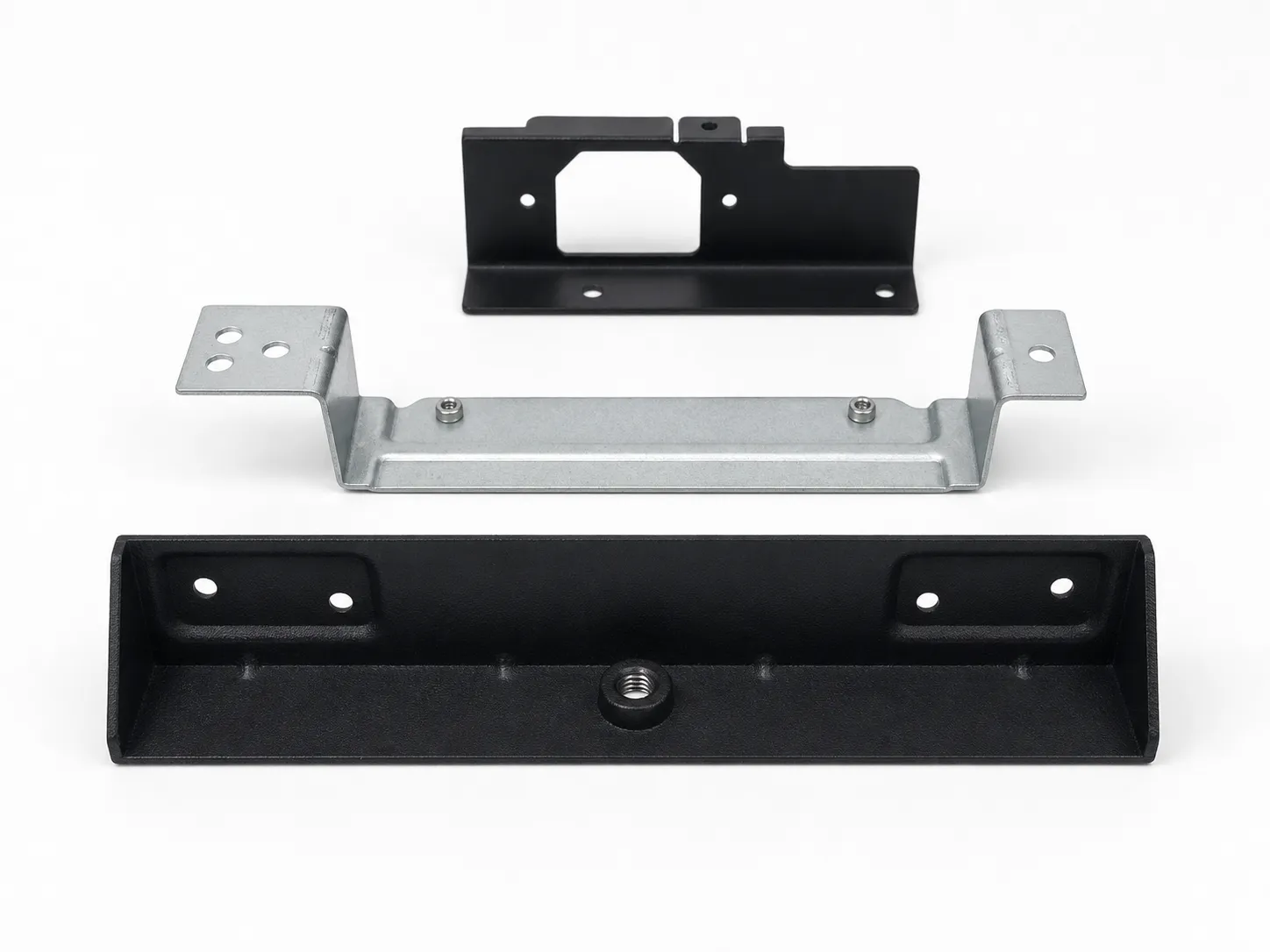
HARVLAND makes drawing-based mounting, support, reinforcement and formed brackets for OEM assemblies. The review connects bracket geometry, stamping or fabrication route, material, hardware, finish and inspection before samples or production tooling.
DFM reviewbefore tooling decisions
±0.02 mm tolerancefor critical features, subject to drawing and process review
0.2–2.0 mmsheet thickness range
ISO 9001 / ISO 14001quality and environmental management systems
No MOQfor sample validation
Finish + inspectionplanned for your project
Engineering reviewDFM, tolerance, burr direction, forming risk and tooling route.
Production outputSamples, inspection reports, pilot run and controlled shipment planning.
Process path
From drawing review to inspected production
Each capability area follows the same manufacturing path so buyers can connect service details to quote requirements.
View full production process01
Customer Input
Collect drawings, 3D/2D files, material, finish, volume, inspection and packaging requirements.
02
DFM Review
Review stamping feasibility, tolerance risk, springback, burr direction and tooling direction.
03
Quote & Sampling
Confirm quotation, sample route, project plan, inspection plan and sample validation path.
04
Tooling & Die
Design production tooling, run T0/T1/T2 trials, correct dimensions, burr and springback.
05
Mass Production QC
Run pilot production, customer approval, PPAP if required and controlled mass production.
Custom brackets made to drawing, not a fixed catalog size
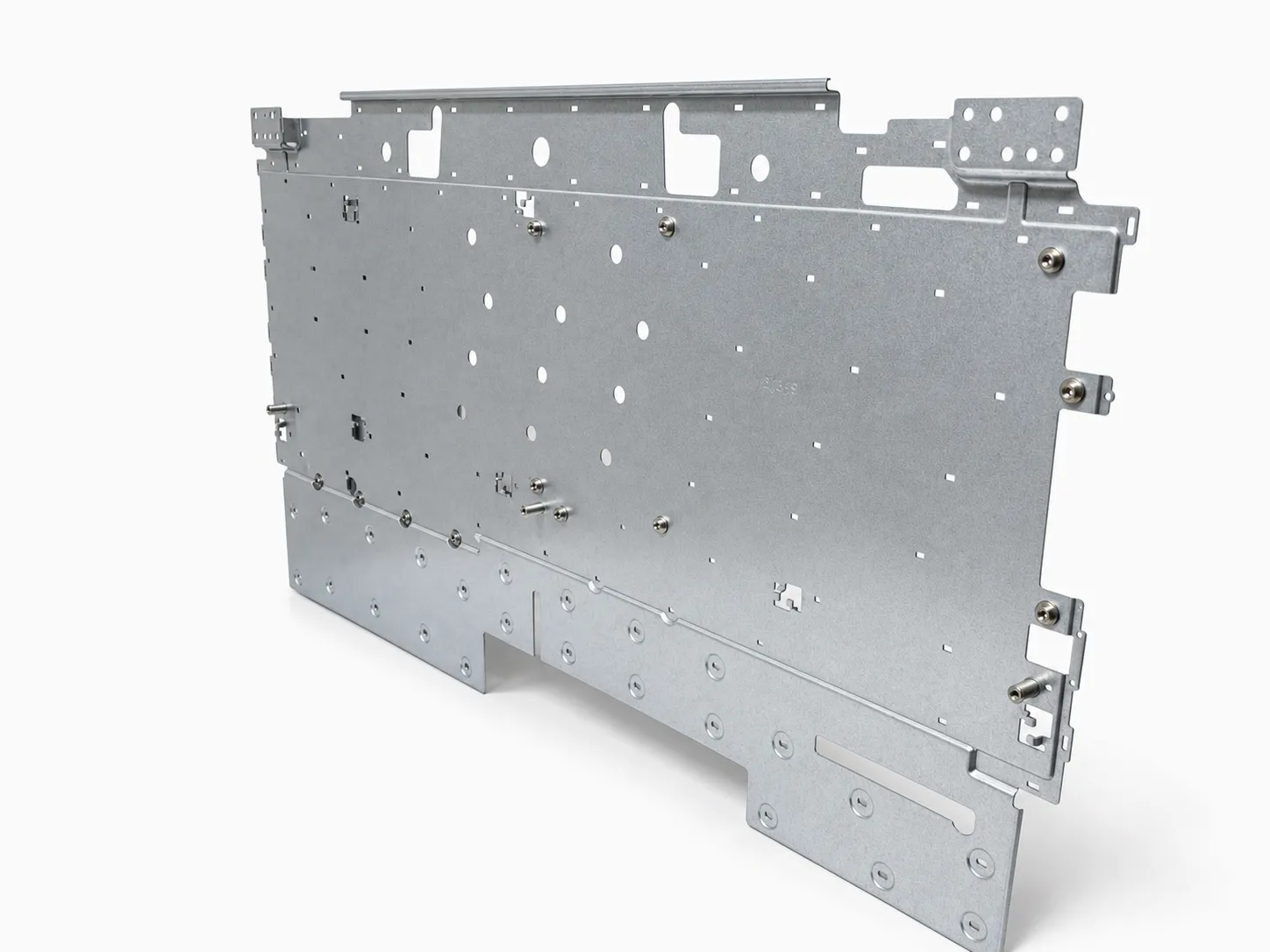
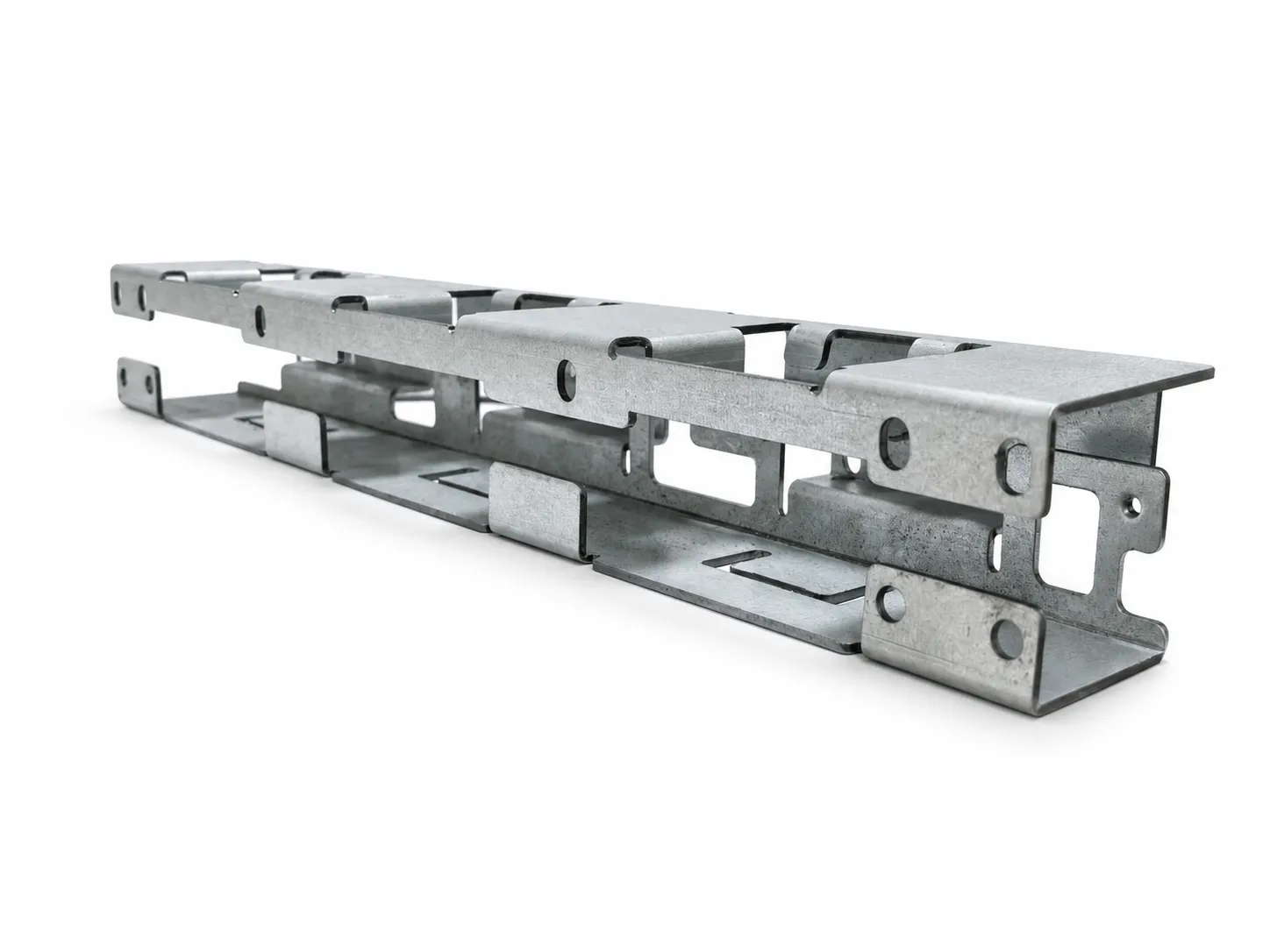
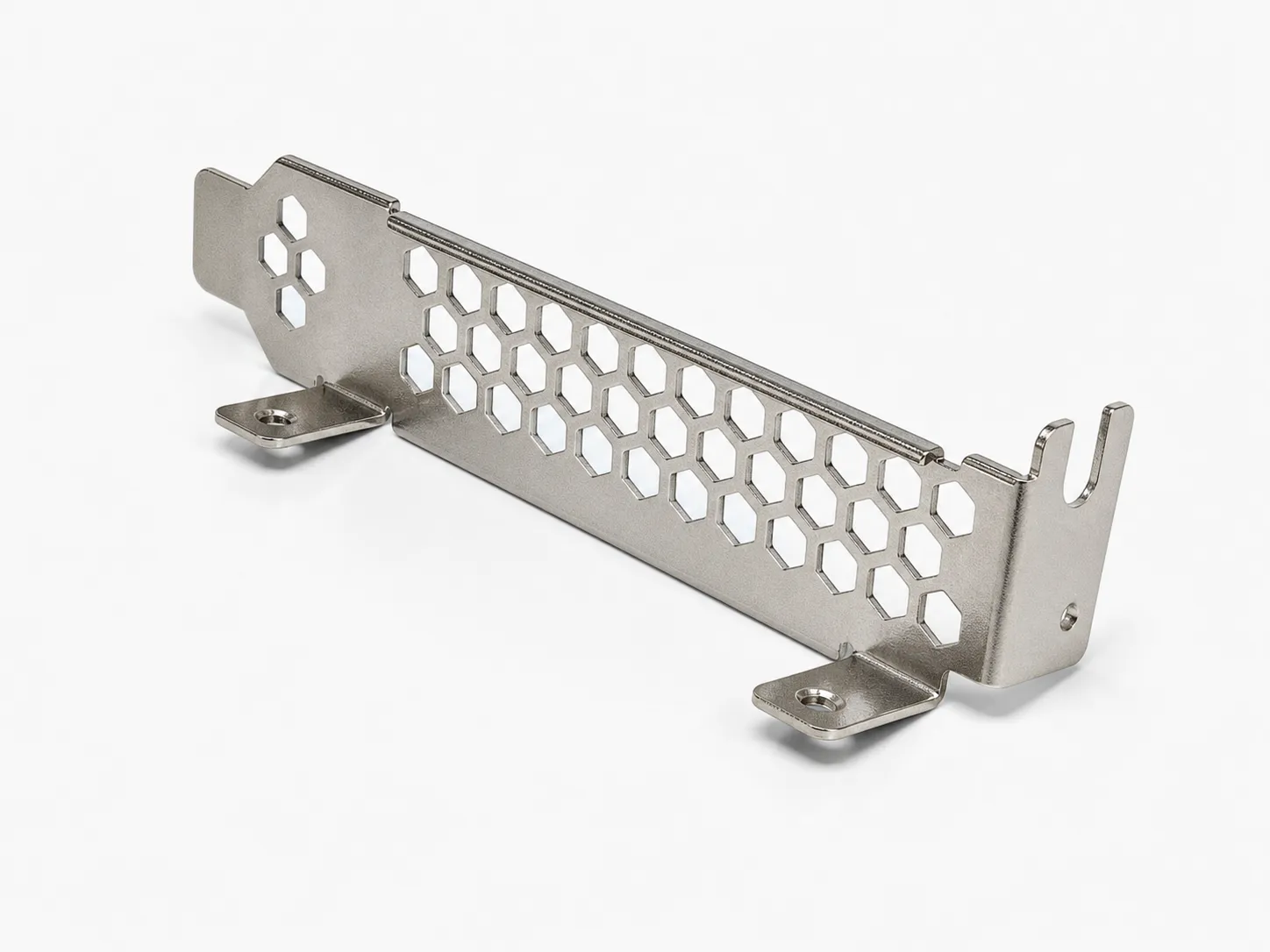
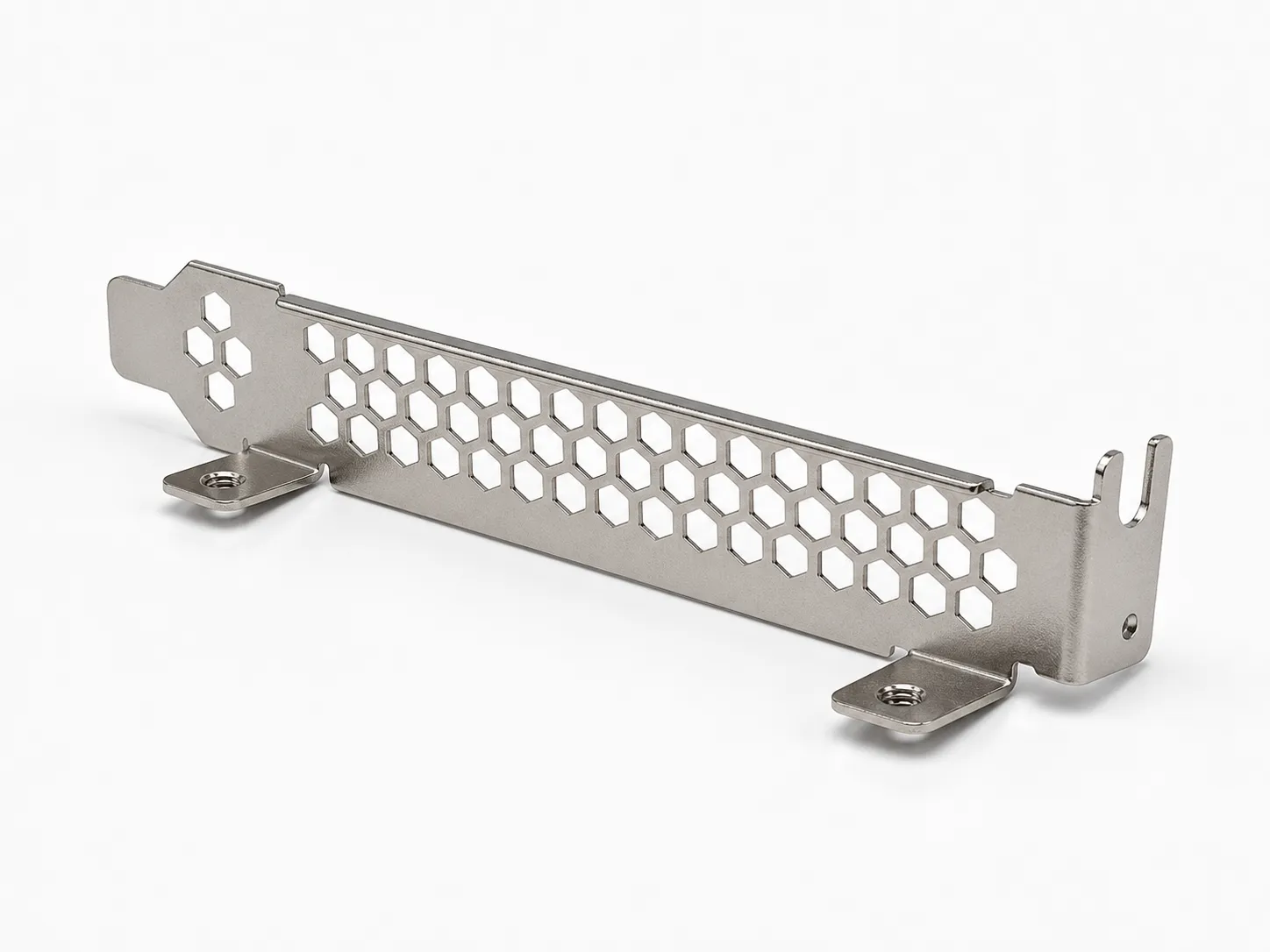
Custom metal brackets are engineered around the buyer's mating parts, load path, mounting pattern and available envelope. Common families include L, U and Z brackets, support plates, mounting tabs, display brackets, chassis brackets, reinforcement pieces and other formed hardware, but the controlled drawing remains the production definition.
- Mounting and support brackets for electronics, displays, equipment, cabinets and assemblies.
- L, U, Z, angle, offset, saddle, clip and multi-bend bracket geometries.
- Flat plates or reinforcement brackets with holes, slots, tabs, embosses or formed ribs.
- Single brackets or bracket sets supplied with related stamped or fabricated metal parts.
Choose stamping or fabrication from volume and geometry
A bracket can be made by laser cutting and press brake bending, single-station stamping or a progressive die. Early prototypes and changing designs often favor flexible fabrication, while stable repeat demand and repeated features can justify dedicated stamping tooling. The quote should compare total program cost rather than force every bracket into one process.
- Use fabrication for prototypes, lower quantities, larger brackets or designs that may change.
- Use stamping when repeat operations, stable geometry and volume support dedicated tooling.
- Combine cutting, stamping, bending, hardware insertion, welding or riveting when the design requires it.
- Separate sample, tooling and production quantities so the route can change as the program matures.
Review bends, holes and mating features together
Bracket fit problems often come from interactions between bends, hole locations, coating and the mating assembly. DFM should use the formed part and assembly datums, not only the flat pattern, and should identify where springback, tooling access or tolerance stack can move a mounting feature.
- Define inside bend radius, bend direction, flange height, reliefs and required formed angles.
- Check hole-to-edge and hole-to-bend distance, slot orientation and access for screws or tools.
- Mark mating datums, critical hole patterns, parallel or perpendicular faces and assembly clearances.
- Show visible faces, burr direction, edge-break requirements and surfaces protected from forming marks.
Match bracket material and finish to the assembly environment
Material affects strength, weight, corrosion, springback and finishing. The supplier can review availability and manufacturability, while the buyer remains responsible for loads, safety factors, corrosion class and final assembly validation. Finish thickness should be considered wherever a bracket mates, grounds, slides or carries installed hardware.
- Cold-rolled steel for economical brackets that will be coated or plated.
- Stainless steel where corrosion resistance or durable bare-metal appearance is needed.
- Aluminum where lower weight, corrosion behavior or anodized appearance supports the design.
- Galvanized sheet, copper, brass or project-specific material when the drawing defines the function.
Include installed hardware and acceptance needs in the first quote
PEM nuts, standoffs, rivets, weld nuts, screws or simple bracket assemblies change the process route and inspection basis. Include them with the initial RFQ, along with cosmetic, packaging and sample requirements, so quotes cover the delivered bracket rather than an unfinished blank.
- Send controlled 2D/3D files, assembly view, material, thickness and quantity bands.
- List installed hardware, welds, rivets, supplied fasteners and torque or access notes when applicable.
- Mark critical dimensions, finish, color, masking, sample checks and compliance records.
- Define protective film, separators, trays or other packaging for visible or easily bent brackets.
Buyer questions
Common buyer questions
Have a question about your part? Leave a message and a reply email.
What types of custom metal brackets can be made?
Drawing-based L, U, Z, angle, offset, mounting, support, reinforcement, display, chassis and multi-bend brackets can be reviewed, along with project-specific tabs, slots, ribs, embosses and hardware.
Should my bracket be stamped or fabricated?
Fabrication usually suits prototypes, lower quantities and changing designs. Stamping becomes attractive for stable repeat demand or repeated formed features. Geometry, annual volume and total cost decide the route.
Which materials are common for sheet metal brackets?
Common options include cold-rolled steel, stainless steel, aluminum and galvanized steel, with copper, brass or other grades used when the drawing requires their electrical, thermal or appearance properties.
Can custom brackets include PEM hardware, riveting or welding?
Yes. PEM nuts and standoffs, rivets, weld nuts, screws, spot welding and simple assemblies can be reviewed when the drawing and assembly notes define the locations and acceptance requirements.
What files help quote a custom bracket?
Send a controlled 2D drawing, STEP/STP model, assembly context, material and thickness, quantities, critical hole and bend dimensions, finish, hardware, sample inspection and packaging requirements.
Your question has been recorded
Thank you. We will reply to the email address you provided. You do not need to submit again.
Question ID:
Contact us
Send drawings, material, thickness, finish and target quantity for review.