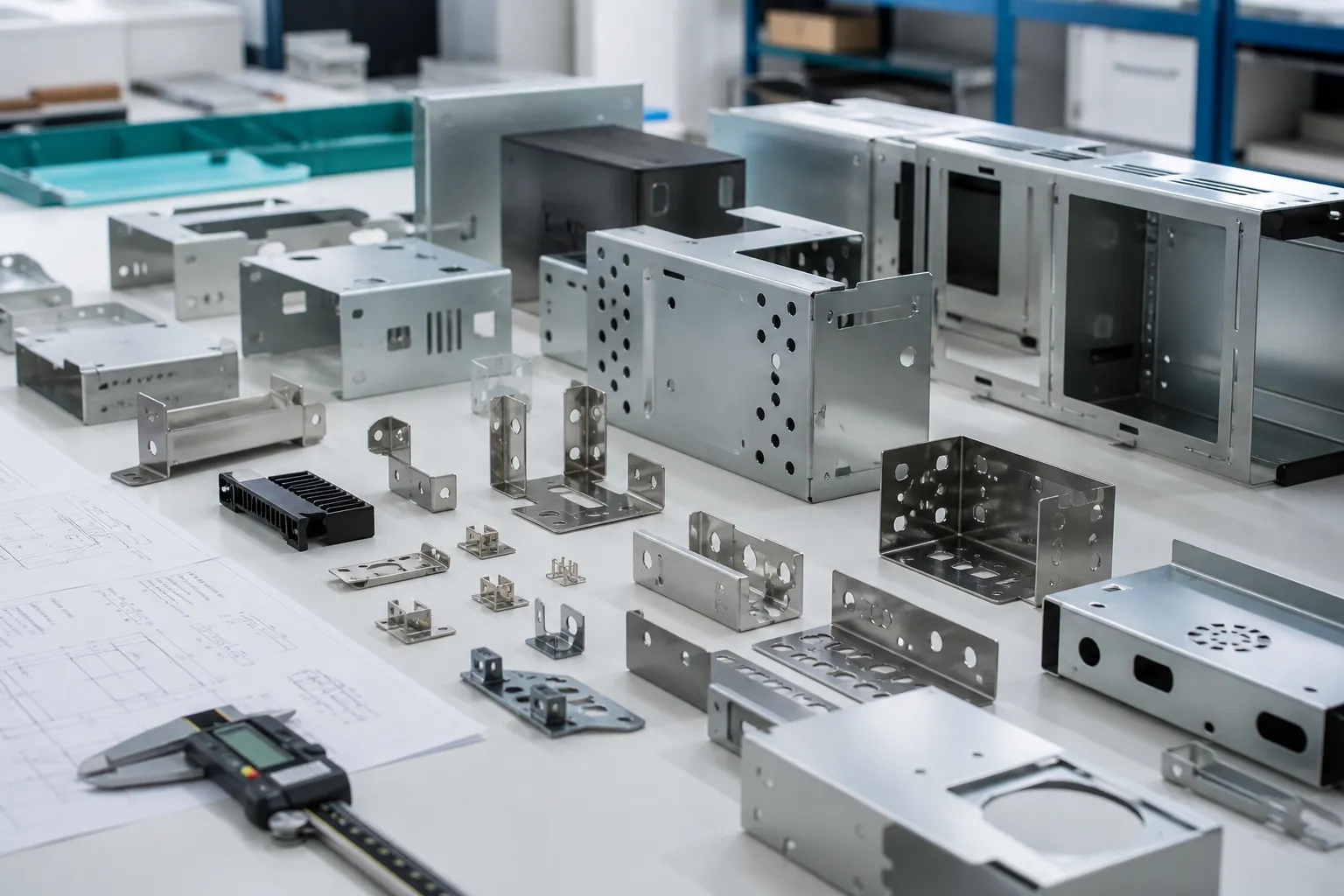
RFQ inputsDrawings, samples, material, finish, annual quantity and inspection notes.
OEM metal stamping capability
Progressive Die Stamping Services for Repeat OEM Production
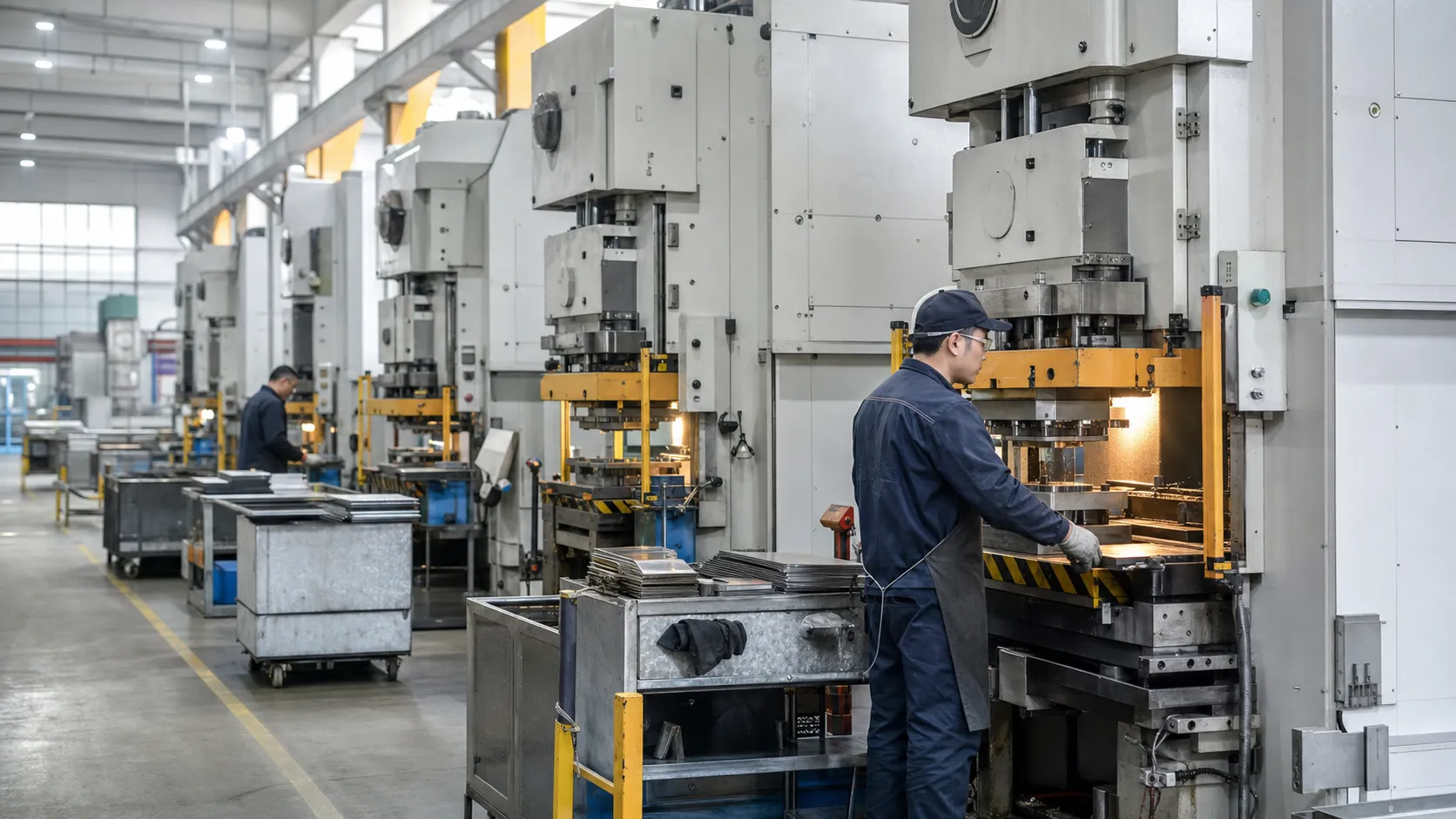
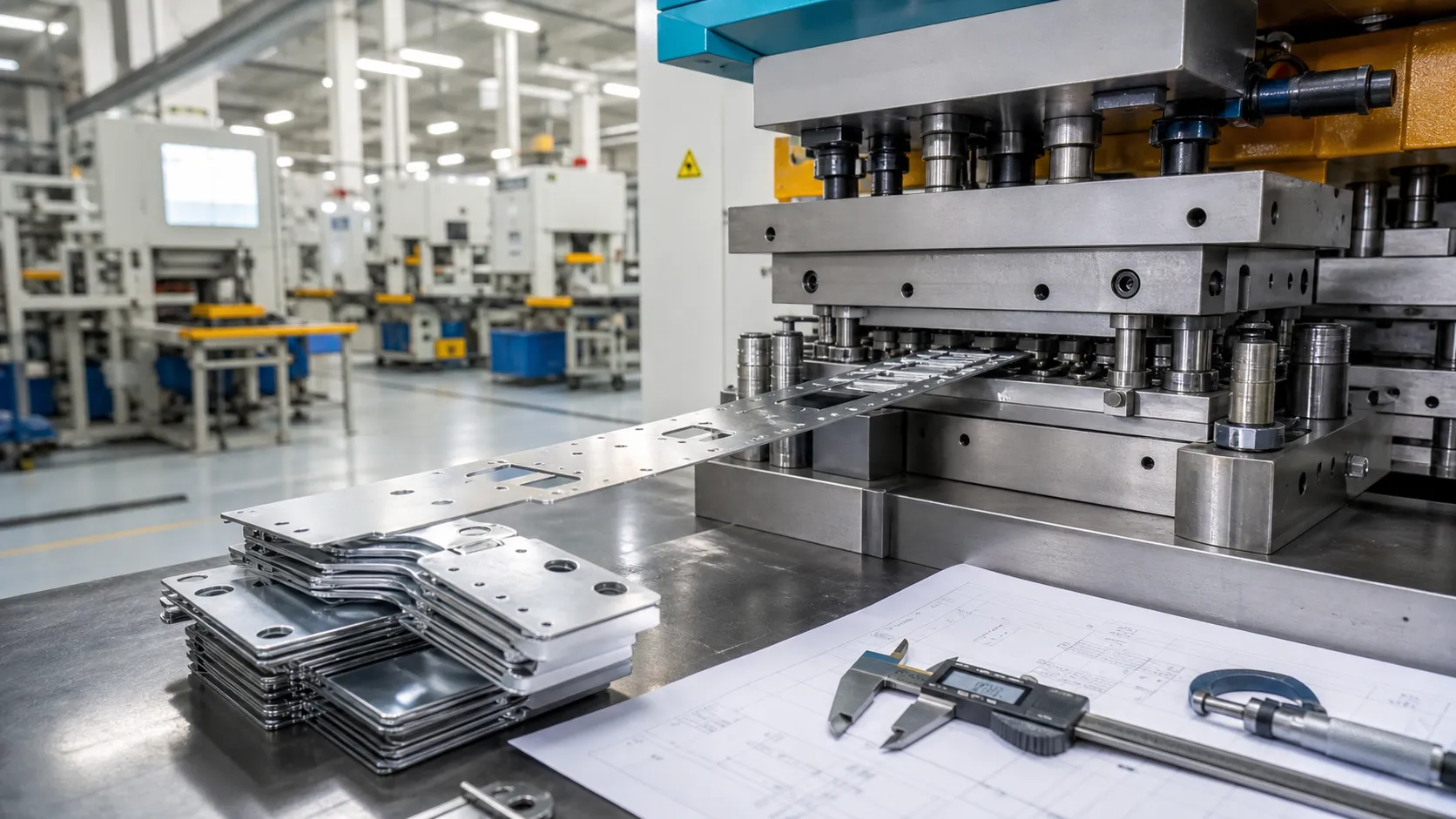
Progressive die stamping moves coil-fed strip through a planned sequence of piercing, forming, bending and cut-off stations. HARVLAND reviews part geometry, material, annual demand, strip layout, die trials and inspection needs before production tooling is released.
DFM reviewbefore tooling decisions
±0.02 mm tolerancefor critical features, subject to drawing and process review
0.2–2.0 mmsheet thickness range
ISO 9001 / ISO 14001quality and environmental management systems
No MOQfor sample validation
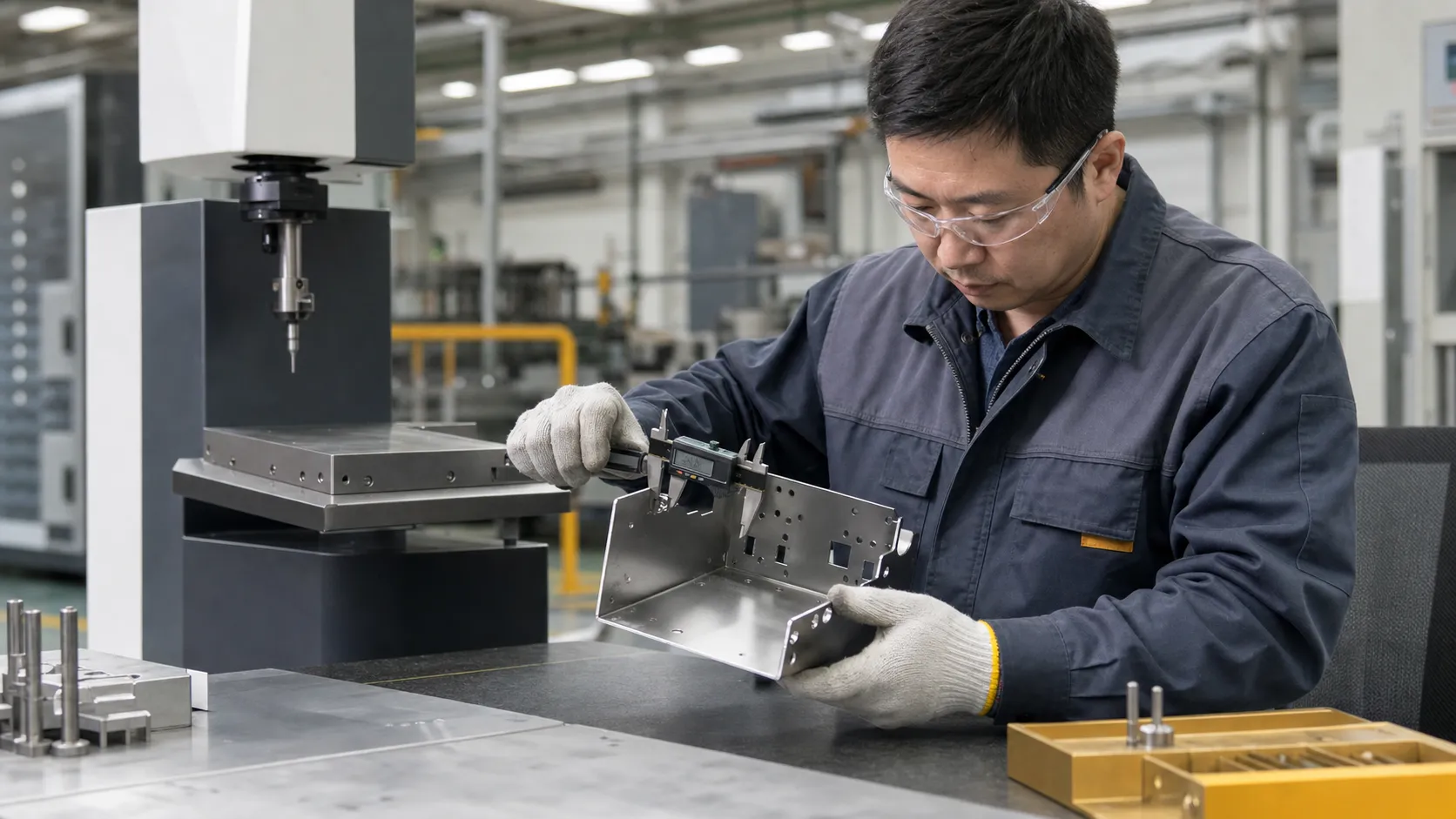
Finish + inspectionplanned for your project
Engineering reviewDFM, tolerance, burr direction, forming risk and tooling route.
Production outputSamples, inspection reports, pilot run and controlled shipment planning.
Process path
From drawing review to inspected production
Each capability area follows the same manufacturing path so buyers can connect service details to quote requirements.
View full production process01
Customer Input
Collect drawings, 3D/2D files, material, finish, volume, inspection and packaging requirements.
02
DFM Review
Review stamping feasibility, tolerance risk, springback, burr direction and tooling direction.
03
Quote & Sampling
Confirm quotation, sample route, project plan, inspection plan and sample validation path.
04
Tooling & Die
Design production tooling, run T0/T1/T2 trials, correct dimensions, burr and springback.
05
Mass Production QC
Run pilot production, customer approval, PPAP if required and controlled mass production.
When progressive die stamping is the right production route
Progressive tooling is most useful when a stable part needs several repeat operations and annual demand can justify a dedicated multi-station die. It is not automatically the best route for every high-volume part, so the first review compares geometry, revision risk, tooling investment and total production cost with single-station stamping or flexible fabrication.
- Share annual demand, batch size and program life so tooling payback can be evaluated.
- Use progressive tooling for repeat parts that combine piercing, blanking, forming, bending or cut-off features.
- Confirm that the design is stable enough to release a production die before committing tooling cost.
- Compare tooling, material utilization, unit cost, lead time and revision exposure as one decision.
Plan the strip layout before die steel is cut
The strip layout defines how coil stock advances, how the carrier holds the part and which operation happens at each station. Buyers do not need to design that layout, but the supplier needs controlled geometry, material condition and quantity assumptions to review feed pitch, pilots, grain direction, forming sequence and scrap before die design is frozen.
- Review blank orientation, carrier strength, pilot locations and feed progression.
- Sequence piercing, embossing, coining, forming, bending and cut-off to limit distortion.
- Check stock width, web strength and material utilization without weakening the carrier.
- Keep contact, cosmetic and burr-sensitive faces visible in the station plan.
Resolve material and feature risks before tooling release
Material grade, temper or hardness, thickness, grain direction and springback affect progressive die feasibility. A DFM review should focus on the features that can drive punch strength, strip stability, forming access, surface marking or tolerance accumulation rather than applying one generic rule to the whole part.
- Review minimum holes and slots, edge distance, narrow webs and punch access against material thickness.
- Check bend radius, short flanges, reliefs, formed heights, embosses and springback-sensitive angles.
- Mark burr direction, datums, critical dimensions, contact zones and visible surfaces on the drawing.
- Connect plating, deburring, cleaning or other finishing requirements to the selected strip material.
Use samples and inspection to release repeat production
A production die normally moves through trial, correction and approval before repeat output. The release plan should connect T0/T1/T2 sample feedback, first-article dimensions, appearance checks and any assembly validation to the approved drawing so later production does not depend on informal assumptions.
- Agree sample quantities, approval owners and critical inspection points before die trials.
- Record corrections for dimensions, burr, springback, flatness and surface marks by drawing revision.
- Define the production inspection method and any gauge or fixture only after critical features are agreed.
- Clarify tool ownership, maintenance records, spare inserts and change-control expectations for repeat orders.
Send the inputs needed for a comparable tooling quote
A useful quote separates one-time die cost from samples, unit pricing, finishing, inspection and delivery. Send the same controlled package to every supplier so differences in tooling scope, material assumptions and approval responsibility are visible before a purchase decision.
- Controlled 2D drawing, STEP/STP model, revision status and mating-part context.
- Material grade and condition, thickness, allowed alternatives, annual demand and order quantities.
- Critical tolerances, burr direction, finish, cleanliness, compliance and packaging requirements.
- Expected sample stages, first-article records, target schedule and production release criteria.
Buyer questions
Common buyer questions
Have a question about your part? Leave a message and a reply email.
What is progressive die stamping?
Progressive die stamping feeds coil strip through multiple die stations. Each press stroke advances the strip and adds operations such as piercing, forming, bending or cut-off until a finished part leaves the final station.
When is a progressive die more economical than single-station tooling?
It becomes attractive when part geometry is stable, repeat demand is high enough to spread the tooling investment and combining operations lowers total production cost. The break-even point depends on the specific part, material and program.
What information is needed for a progressive die quote?
Send controlled 2D and 3D files, material and thickness, annual and batch quantities, critical dimensions, burr direction, finish, sample expectations, inspection records and packaging needs.
Can a progressive die part be changed after tooling starts?
Some changes are possible, but they can require station, insert, strip-layout or inspection updates. Freeze functional requirements before tool release and use formal drawing revisions for any approved change.
How are progressive die samples approved?
Approval normally checks the agreed material, dimensions, burr and edge condition, formed geometry, appearance and assembly fit against the controlled drawing before pilot or repeat production is released.
Your question has been recorded
Thank you. We will reply to the email address you provided. You do not need to submit again.
Question ID:
Contact us
Send drawings, material, thickness, finish and target quantity for review.