Prepainted metal moves coating to the sheet stage. The fabricator receives material with an existing finish and then cuts, punches and bends it. Where the material, geometry and service conditions suit this route, the formed enclosure can avoid a separate whole-part painting or powder coating operation.
What is prepainted metal?
For electronic enclosures, prepainted metal means sheet with a coating applied before fabrication. The substrate, any metallic coating and the organic finish need separate specifications. A coil coating line typically cleans, pretreats, coats and cures the strip before it enters downstream fabrication.
A purchase description such as “black coated sheet” leaves important decisions open. Identify the substrate, how thickness is specified, the requirements for both faces and an appearance reference. Color alone cannot identify a galvanized substrate or a particular paint chemistry.
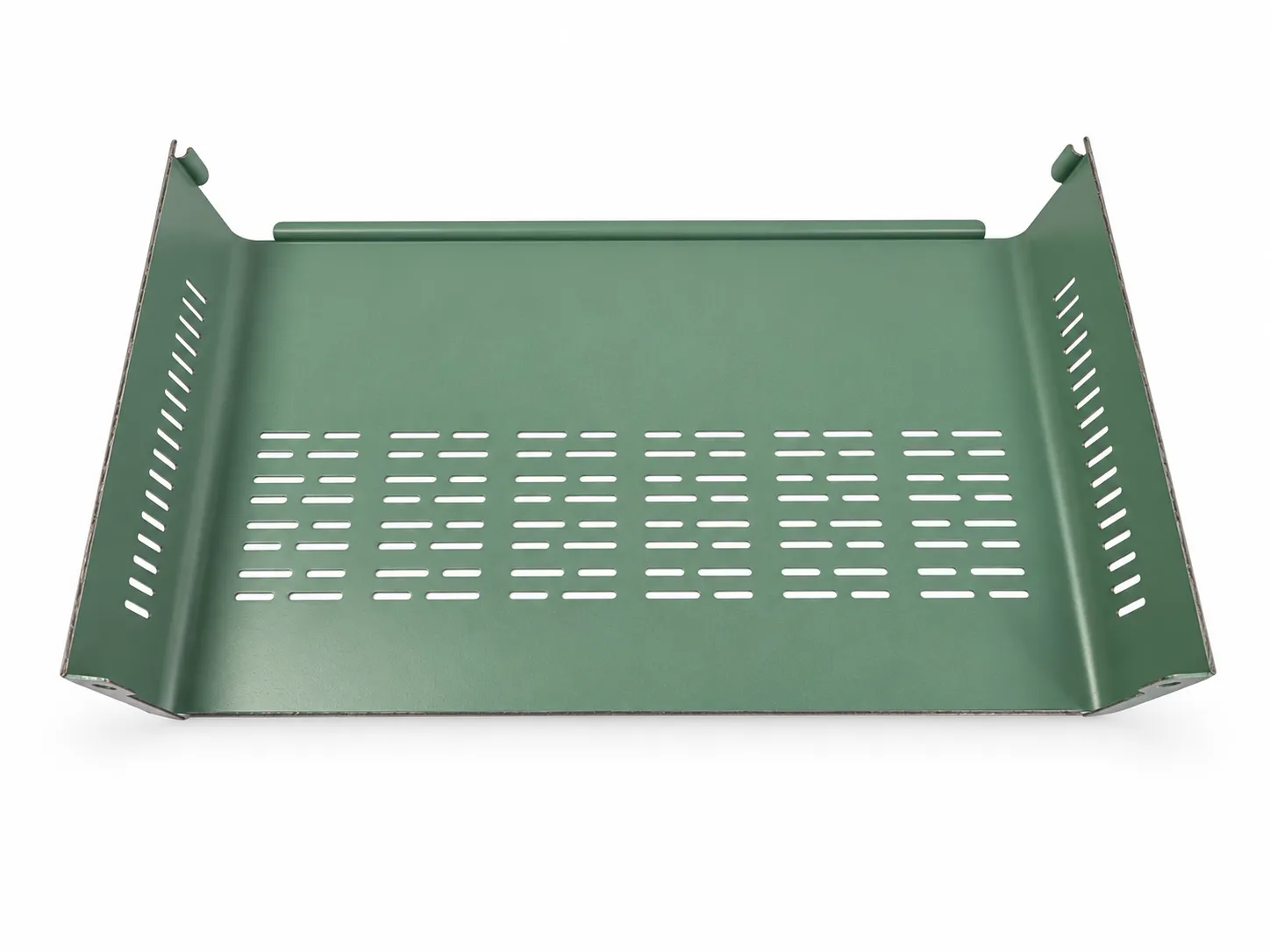
Why can it eliminate painting after forming?
The key difference is whether the finish or the part shape comes first. If the existing coating accommodates forming and meets service requirements, another whole-part coat is unnecessary for that finish. CEPE identifies electronic equipment cases as an application and explains the need for coating flexibility during subsequent forming.
Prepainted route: Select coated sheet → Cut and punch → Bend → Address specified local areas → Inspect and assemble
Post-painted route: Select sheet → Cut, punch and bend → Prepare for the coating system → Coat and cure → Inspect and assemble
These are process relationships; the detailed sequence depends on the part. Omitting whole-part post-painting does not automatically eliminate deburring, local treatment, cleaning or inspection.
Which properties matter for an electronic enclosure?
| Property | Why it matters | What to specify |
|---|---|---|
| Prefinished appearance | Color, gloss and texture can be selected before forming | Visible faces, appearance reference and acceptance conditions |
| Coating formability | The coating deforms with the sheet at bends | Sample confirmation with the intended sheet and bend geometry |
| Surface resistance | Handling, cleaning and use affect appearance | Actual contact and cleaning conditions with appropriate checks |
| Separate face specifications | Exterior appearance and interior assembly needs can differ | Both surface systems; do not infer function from back-face color |
| Protection during fabrication | Processing damage can affect the finished part directly | Protection during fabrication, movement and packaging |
Colors, textures and functional coating systems come in different combinations. The term “prepainted” does not establish a particular performance level. Review the appearance and functional requirements together with the material supplier.
Preserving the finish through punching and bending
Surfaces that touch the workpiece deserve attention. Hard particles on a table or tool can mark the finish as the sheet moves. Rough tooling, unsuitable clearances and parts rubbing against each other are further points to inspect. Protective film, padding and separators are possible measures, selected for the material and process.
At sample review, examine outside bends, slot edges and locations that rub as the cover is fitted. Record the location and process associated with a defect rather than relying on a general “good surface” instruction. Confirm bend radius and forming conditions for the selected sheet instead of applying one minimum to all prepainted materials.
Cut edges, damage and grounding contacts still need attention
A sheared cross-section is different from the coated face. The need for local protection depends on the substrate, metallic coating, edge location and service environment. Protection of the broad face is not a guarantee that every cut edge will remain corrosion-free.
For an electronic enclosure, mark grounding, shielding or other conductive contact areas separately and define how contact will be verified. If a contact area requires local treatment, plan it in the manufacturing process rather than relying on unplanned scraping at assembly.
When is prepainted sheet worth considering?
It is worth comparing when appearance is stable, suitable material can be sourced and the geometry accommodates forming with the coating in place. Projects involving extensive welding, aggressive subsequent processing or frequent small color changes need a comparison that includes repair, sourcing and inventory before retaining or replacing a post-painted route.
Compare acceptable delivered parts at the same quantity, appearance and functional requirements. Include material, fabrication, coating, handling, packaging, losses and inventory. One fewer coating operation does not establish a fixed saving. NCCA's conversion guidance also separates inventory, equipment and operating costs.
Apply the comparison to a set-top box cover
A set-top box cover turns the material discussion into a concrete review of faces, vents and bends. Mark visible surfaces, mating areas and required contacts, then compare the process routes and samples. See the companion article on custom prepainted set-top box metal enclosures for layout and quotation inputs.
To discuss a prepainted enclosure with HARVLAND, send a drawing, sketch or existing sample photograph with its environment, appearance requirements and expected quantity. If the material is undecided, explain which operations you want to reduce and which areas must retain their appearance or provide electrical contact.