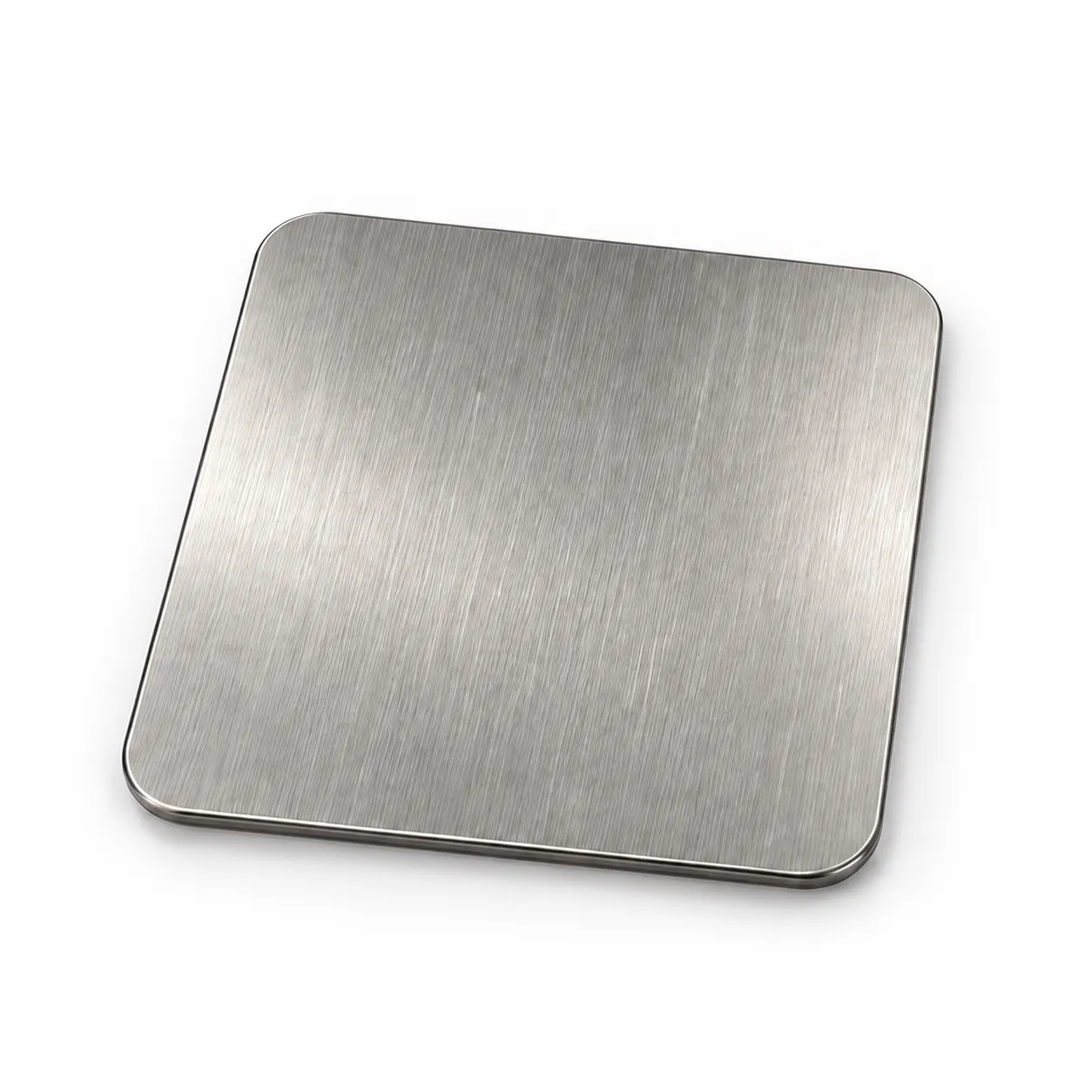
Coffee coasters and tea-cup coasters are often selected by color first. Size, the underside and everyday care are equally useful comparison points, especially when a homeware brand or café is buying a repeat batch.
Start with the cup foot
Measure the supporting ring or flat base of the mug or tea cup. Check more than one cup when a set varies. Allow room for normal placement, and inspect shaped coasters at their narrowest usable area. The length of an oval is not the diameter of the cup it can support.
Consider the path from a hot cup to the table
Heat conducts through materials in contact; the rate depends on the materials, thickness, area and temperature difference. A metal layer alone is not a reliable insulating specification. Discuss an appropriate underside, then evaluate the complete sample with the intended cup, contact time and table finish. Do not use a drink coaster as a hot-pan trivet unless that use has been specified and verified.
Manage wet cups and iced coffee
Cold coffee can create the same condensation issue as a cold bar drink. Dry the cup area and the underside of the coaster before leaving it on a moisture-sensitive surface. A nonabsorbent top does not remove water; the care routine and the path that water takes still matter.
Compare tables and backing options
A soft underside may help separate metal from the table, but its material, coverage, edges and attachment must suit the use. Ask how it will be cleaned and whether it can retain moisture. Test on a representative surface offcut or another approved test area before using a new construction on valuable furniture.
Choose shape and appearance after fit
A rounded square can show a border around a round cup, while a hexagon gives a different visual outline. An oval may suit a particular arrangement but needs enough width. Compare the silver, gold-tone and black illustrations as appearance references; select the actual finish process separately.
Define everyday care and purchase details
Agree a cleaning method for the complete coaster and follow it during sample evaluation. Check for trapped grit, damaged edges and a damp underside before reuse.
- State cup-base sizes, table material, hot or cold use and expected quantity.
- Include logo, stacking, individual wrapping and any backing requirements.
- Request a sample with the proposed finish and underside before agreeing final acceptance.