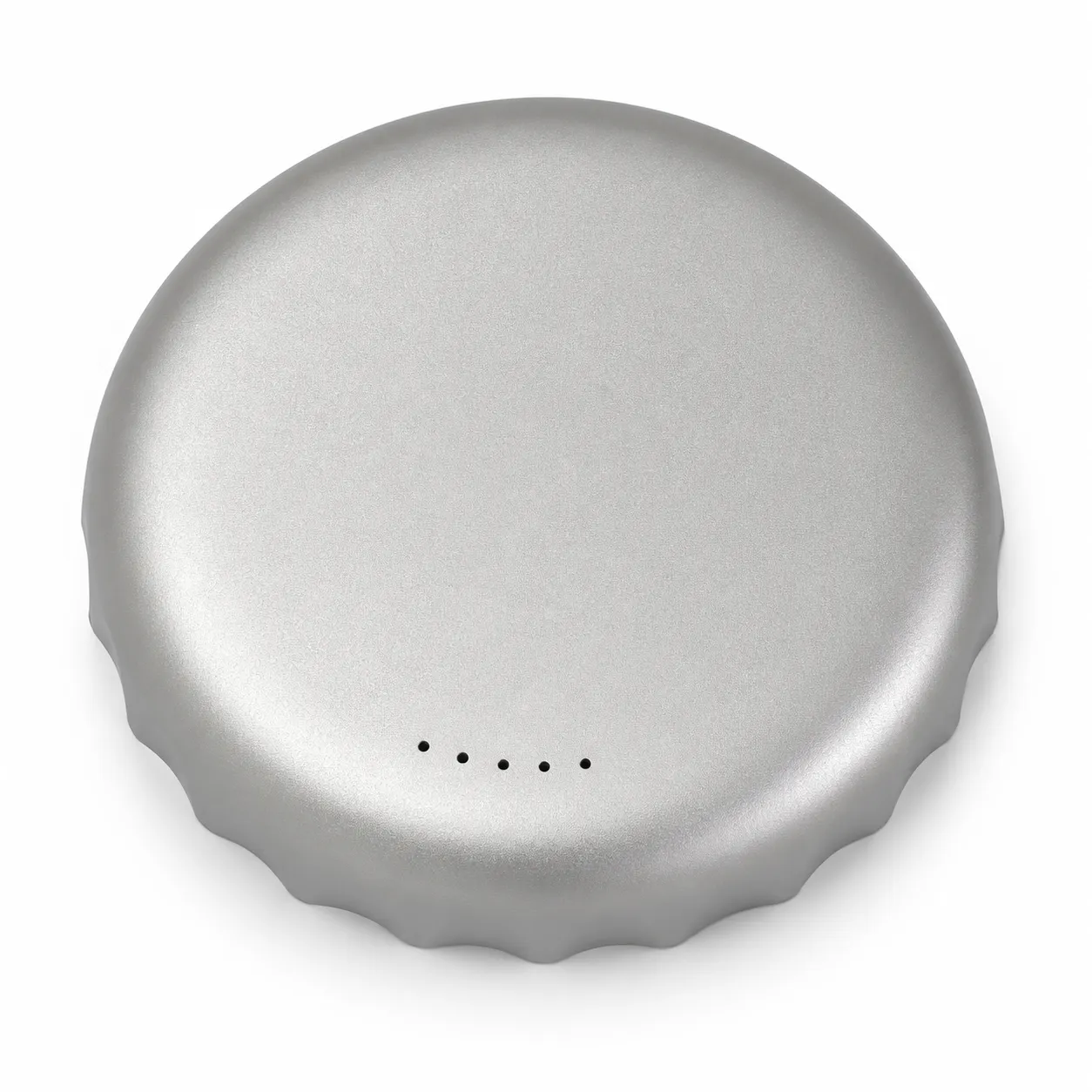
These images are retouched from photographs of a housing sample. They show the shell only; dimensions, alloy, manufacturing route and finish process are confirmed for the project. Electronics and a complete speaker assembly are not shown.
Separate visible details from functional requirements
The outside view shows a silver-colored surface, a curved transition into the rim and a row of five small holes. Their purpose must come from the assembly drawing; a photograph alone does not establish whether they serve indicators, sound, fixing or another function.
Mark the cosmetic face and the edges that users touch. Specify the desired color, gloss and acceptable visible marks, using a reference sample where useful. A silver appearance alone does not identify an alloy or a finishing process.
Use the cavity view to agree fit and assembly
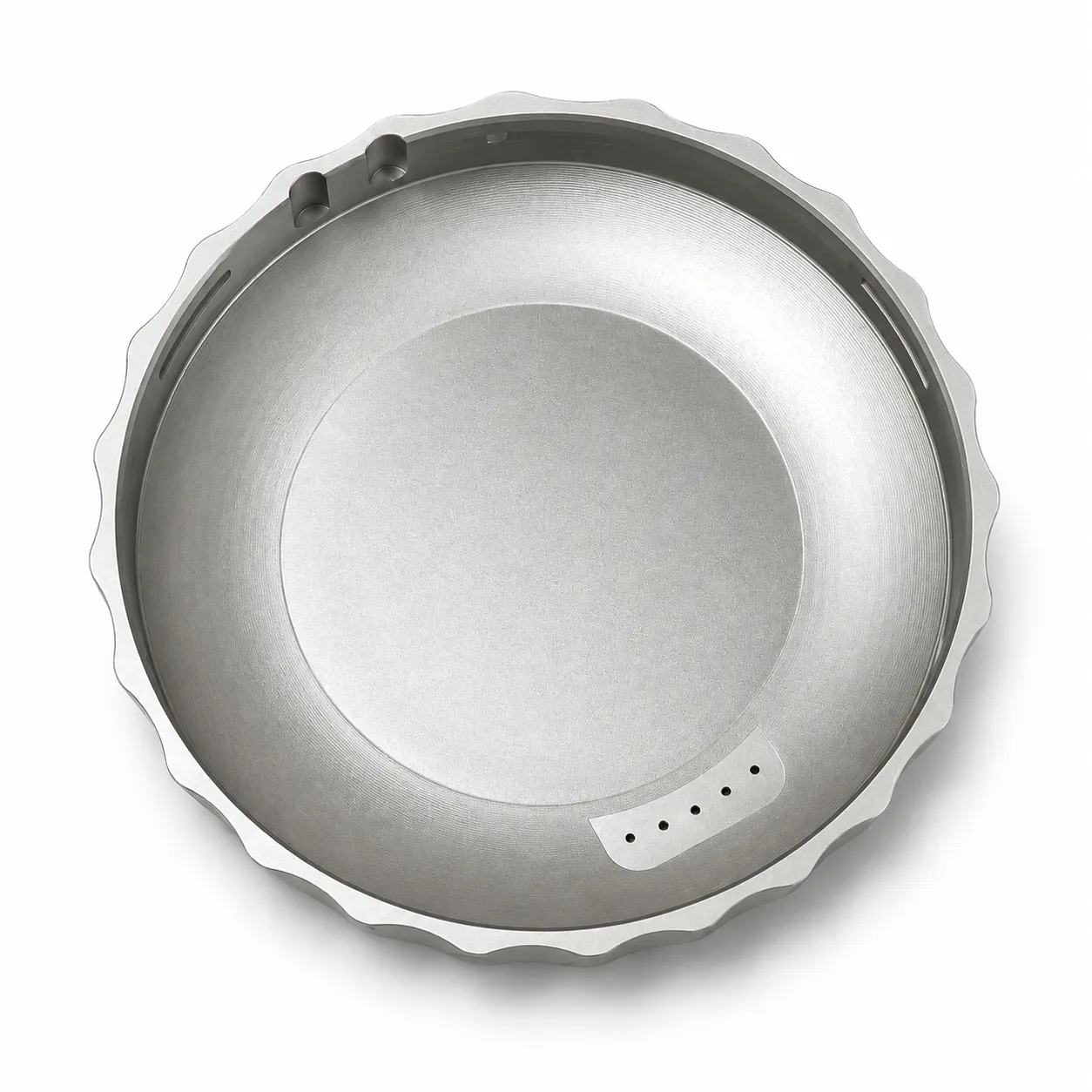
The internal view reveals the central circular area, surrounding curved wall, rim features and narrow slots. Show how the mating cover and internal parts locate, how they are retained and which areas need clearance.
Define critical dimensions from meaningful assembly references. Include access for installation, wire routing and the finished condition of edges near cables. Check the final coated or treated part where the finish could affect a fit.
Plan the antenna before closing the housing
Metal near an antenna can change its radio behavior. Review its position and keep-out requirements with the selected module supplier. [1] An external antenna or a suitable non-metal opening may be options; the complete assembly needs measurement. [2]
Include the intended board, battery, fasteners and cover in the assembly review. The shell's appearance cannot establish connection range, sound quality or the performance of a finished Bluetooth speaker.
Approve appearance and fit as separate checks
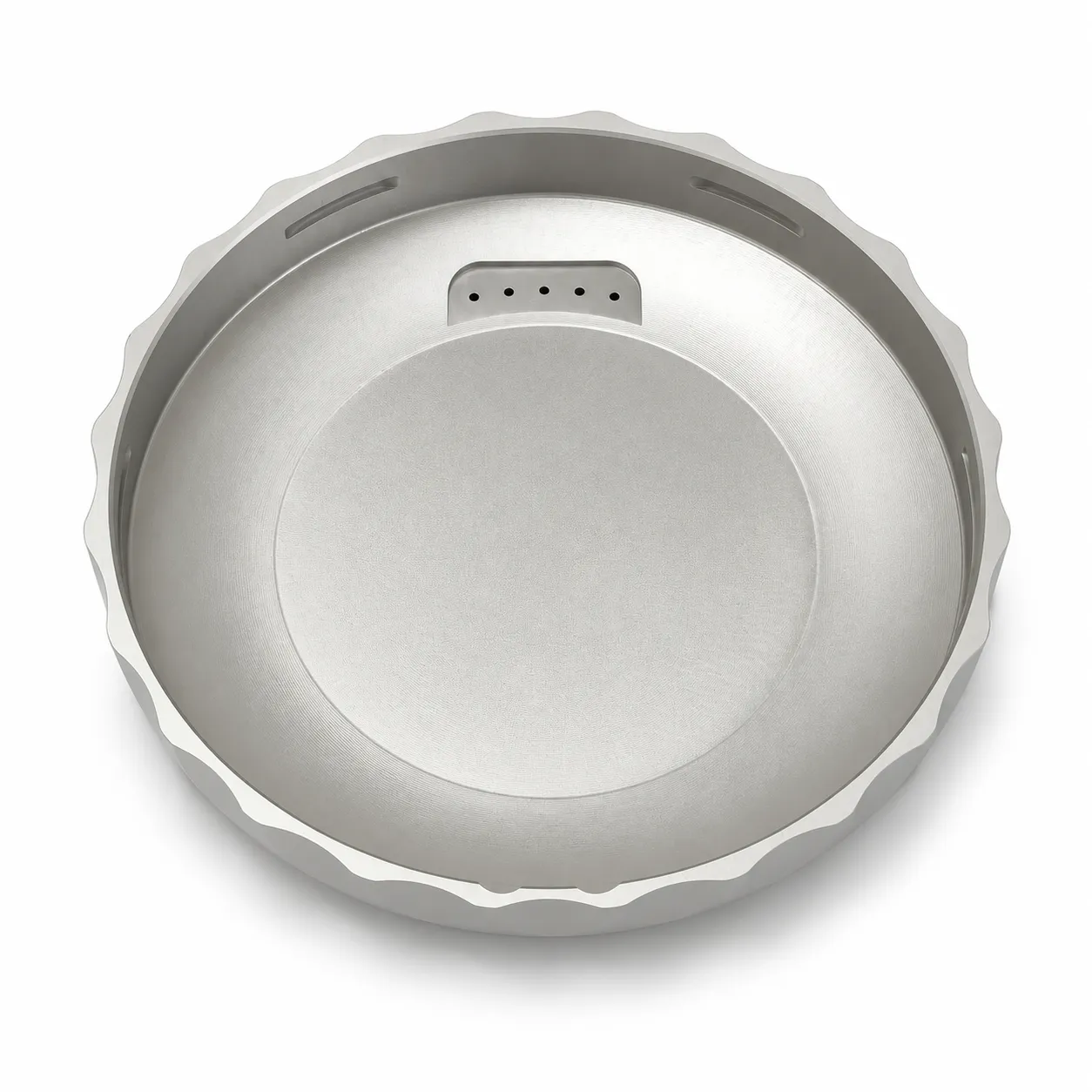
The second interior angle helps show the rim and wall profile. Pair visual inspection with checks of the features that position the cover and internal parts.
| Area | What to agree |
|---|---|
| Cosmetic surfaces | Color, gloss, texture, viewing conditions and acceptable marks |
| Mechanical fit | Cavity size, rim fit, hole and slot positions, edge condition |
| Complete assembly | Retention, cable clearance, acoustic and wireless checks |
Send the housing drawing, mating-part or assembly model, desired appearance and quantity. A sketch or sample photo can start the discussion; highlight the areas that must fit, remain visible or carry a functional opening.