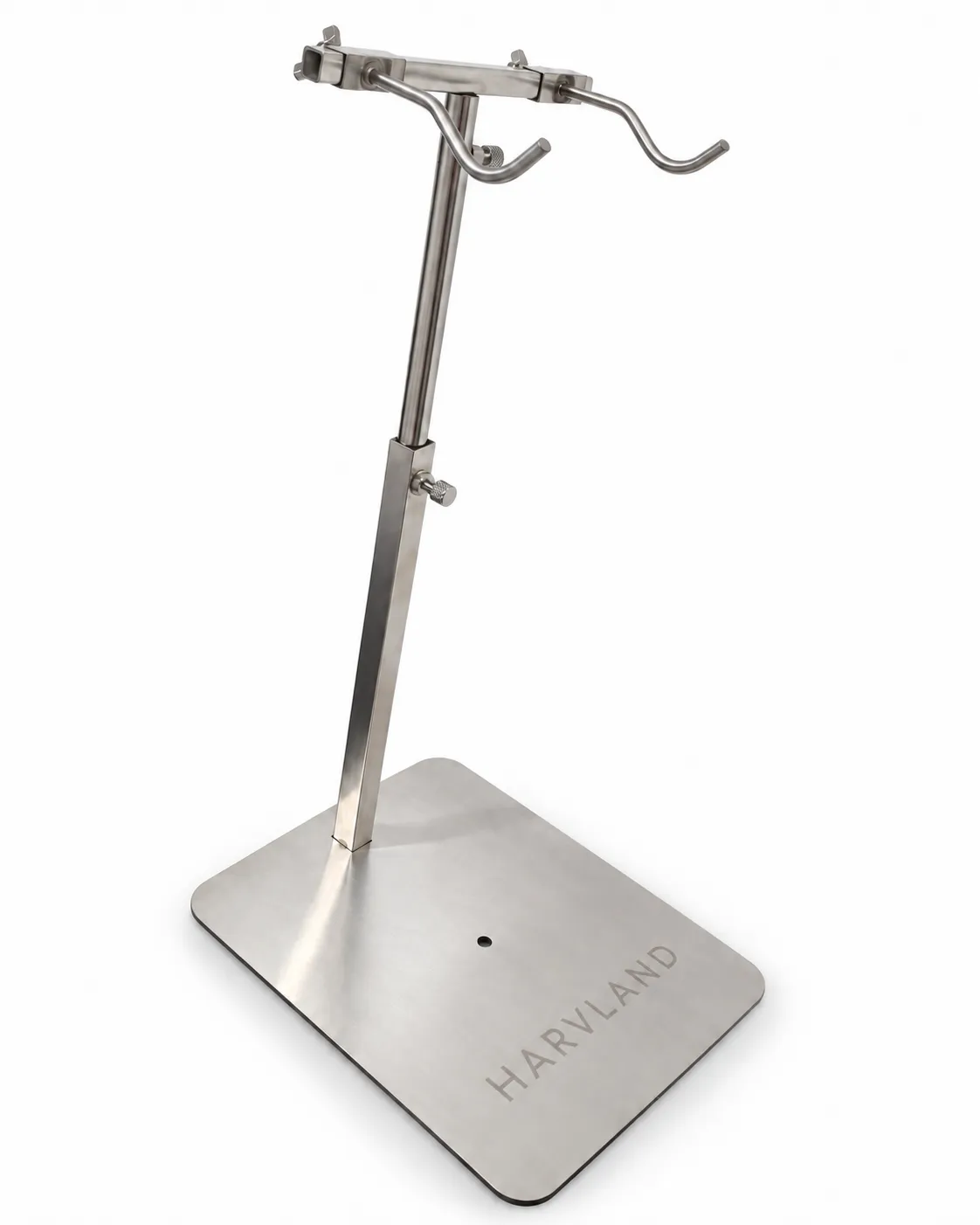
HARVLAND manufactures custom metal BJD doll stands for doll brands, outfit studios and display projects. Send a stand drawing, reference sample or doll photographs, together with the intended use and estimated quantity, to start discussing the construction and quotation.
The illustrated stand has a telescoping upright, twin curved arms and a flat base plate. The inner rod moves vertically and a side thumb screw locks the height. Arm shape, spacing and base dimensions are specified for the intended doll and display. Minimum and maximum support heights, material and appearance follow the agreed drawings and sample.
Metal BJD stand construction illustration. Actual dimensions and appearance follow the agreed drawings and sample.
What can you specify for a custom metal doll stand?
Specify the stand around the doll, outfit and intended pose. If you have a drawing or reference sample, identify the features to retain or change. Without a drawing, start by describing the display requirements.
| Customization area | Requirements to include | Details to confirm in drawings or samples |
|---|---|---|
| Upright and height | Fixed or telescoping height, minimum and maximum support heights, storage length | Usable adjustment range, rod-to-tube overlap and locking arrangement |
| Arms and contact areas | Arm shape, spacing, forward reach and permitted contact locations | Fit around the body, joints and clothing; any separate protective contact pieces |
| Metal base | Length, width, outline, rounded corners, holes and display footprint | Plate thickness, upright attachment and stability in the intended pose |
| Material and appearance | Required material, color, surface appearance and acceptance criteria | Material grade, finishing proposal and appearance sample |
| Branding and packaging | Logo position, marking dimensions and individual or bundled packaging | Artwork, proposed marking method, packaging specification and quotation scope |
Mark any confirmed dimensions on your drawing. If the material, contact pieces or assembly method are still undecided, describe the intended use so we can review those details with you during quotation.
Adjustable-height BJD stands: telescoping upright and thumb-screw lock
For displays involving different dolls, poses or shoes, a telescoping upright allows the support head to move vertically. The lower outer tube connects to the base, while the upper inner rod carries the support head. A side thumb screw locks the selected height. To adjust it, first remove the doll and hold the upper support head. Loosen the screw, move the inner rod, then tighten the screw and check for slipping or rotation before refitting the doll.
Define the range from the actual support position
For a custom adjustable doll stand, provide the lowest and highest required distances from the display surface to the intended contact point. This is the height where the stand meets the body, rather than the doll's overall height. Shoes, leg position and the chosen contact area can change that requirement.
If several dolls will share a stand, list the required support height for each. We can then discuss outer-tube length, inner-rod length and support-head position. The assembly needs to lower to the required minimum and retain sufficient rod-to-tube overlap at the maximum. The final adjustment range is confirmed in drawings and samples.
Include adjustment, outfit changes and storage in the brief
| Display requirement | Adjustable-height details to discuss | Sample checks |
|---|---|---|
| Changing shoes or poses on one doll | Continuous height adjustment within the required range, secured by a side thumb screw | Correct contact position and convenient access to the screw |
| Rotating several dolls through one display | List each doll's support height, body dimensions and weight to assess a shared upright | Check height, arm fit and base stability for each doll |
| Limited cabinet or storage space | Specify minimum and maximum working heights and the overall height when lowered | Check cabinet-top and door clearance in the display position; check arm clearance to clothing and the base at low settings; check overall stand height for storage. |
Changing the upright height does not itself change arm spacing or contact shape. For a shared stand, check contact points, arm fit and stability with each doll before choosing one construction or separate sizes.
Check locking at both high and low positions
During sample review, check for slipping, rotation and play at the agreed minimum, maximum and commonly used positions. Assess stability with the intended doll weight and pose. Confirm the rod's insertion length at the highest working position, and include any maximum-height marking or travel-stop requirement in the custom drawing.
Matching the twin arms and base to the doll
The illustrated open twin-arm support needs spacing and forward reach matched to the dressed doll. Keep contact points clear of moving joints, decorations that may catch and painted surfaces that must not be touched. An enclosing waist clamp requires its own clamping range, contact pieces and fitting checks.
Choose base dimensions around foot placement, upright position, the intended pose and the available display space. Allow room for the skirt separately; the base does not need to extend beneath the entire skirt. Review plate thickness and the upright connection together with the support requirements rather than judging stability from the base outline alone.
Custom stand requirements for 1/3, 1/4 and 1/6 BJDs
Use 1/3, 1/4 and 1/6 labels as a starting point for identifying the doll; actual measurements define the stand specification. For every size, check support height, width and depth at the contact point, and weight with clothing and accessories. Different bodies within the same nominal scale still need individual review.
| Doll type and size category | Dimensions and weight to check closely | Display and fit checks |
|---|---|---|
| 1/3 BJD | Support height with shoes, dressed weight and body depth | Wigs, long skirts and handheld accessories can change clearance and balance |
| 1/4 BJD | Contact height, support-arm spacing and dressed body outline | Childlike and slender bodies can need different contact locations |
| 1/6 BJD | Minimum working height, support-head size and base footprint | Check that the support head reaches the required low position and clears clothing |
| Other miniature figures, such as 1/12 articulated figures | Low contact position and miniature clamp or connector details | Size the support head, connectors and base for the small body |
For an SD, SDM or MSD doll, identify the exact model and body version and provide front and side photographs in its display outfit. A series name does not replace measurements; record dimensions and fit results separately for different bodies within the same series.
Support requirements for BJDs and other dolls and figures
Resin ball-jointed dolls (BJDs)
For resin BJDs used in standing displays, outfit photography or collection cabinets, first state whether the feet rest on a supporting surface and whether the stand assists standing or carries some or all of the weight. Define construction and sample checks around that requirement, the dressed doll weight and the intended pose.
Masculine, feminine, muscular and childlike bodies have different outlines. Match the arms to the intended body contact points and keep lace, straps and other outfit details out of the load path.
DD, MDD and anime-style dolls
For DD, MDD and similar dolls, check torso dimensions, joint locations and the dressed outline for the specific body version. A series may include different body configurations, so confirm support-head shape and adjustment clearance with the intended doll.
Fashion dolls and collectible dolls
For a custom display stand intended for a fashion or collectible doll such as Barbie, provide the exact model, heel height and outfit photographs. Long gowns, belts and decorations affect the contact position. For product photography, mark the front and side areas that need to remain unobstructed, then check the fit with a sample.
Plush dolls and stuffed figures
For plush dolls and stuffed figures, the support area and the body's shape under pressure need attention. If you want a broader cradle or removable protective contact pieces, include them in the enquiry so their construction, components and cost can be confirmed separately. During fitting, check for body deformation, slipping at contact points and how naturally the clothing hangs.
Action figures, anime figures and blind-box collectibles
Action figures, anime figures and blind-box collectibles may have back sockets, foot holes or base connectors. Send close-up photographs and dimensions of those interfaces to discuss a peg, clamp or cradle arrangement. For airborne poses, provide the pose and weight requirements separately so the load-bearing connection, arm and base can be assessed for that use.
Display cabinets, doll photography and retail presentation
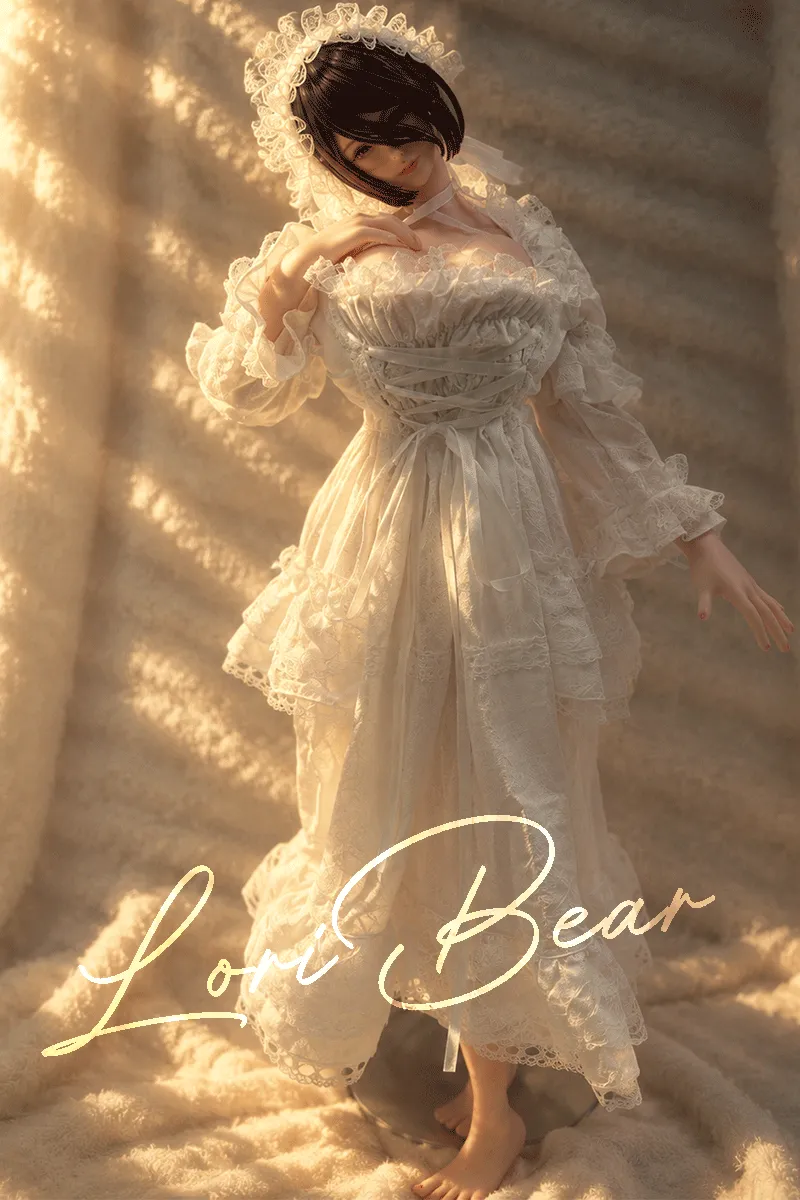
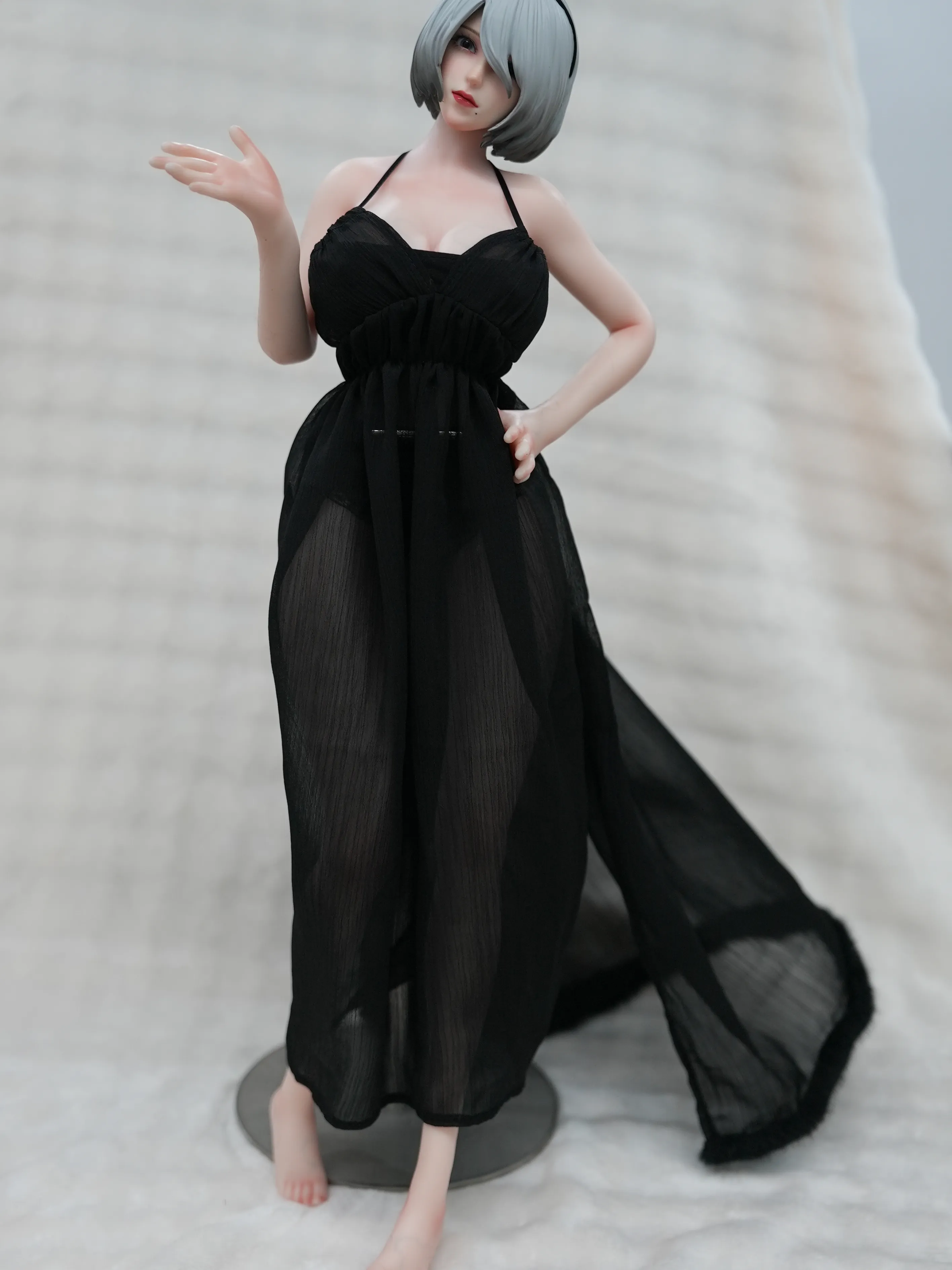
For a display cabinet, check base length and width, door and shelf clearance, and spacing between neighboring dolls. Arrange the dolls and allow for the spread of their skirts before choosing base outlines within the available space.
For outfit photography, identify the main camera views and the clothing details to keep visible before choosing the support position. Concealment depends on the view and pose: a support hidden from the front may remain visible from the side or rear. After an outfit or pose change, recheck the contact points, lock and camera framing.
For retail displays and exhibitions, include repeated assembly, checks after repositioning and loose-part management in the brief. If the doll also needs to travel with the stand, specify shipping restraints and packaging separately so the display and transport arrangements can each be reviewed.
From the custom brief to production
Use the following sequence to discuss a BJD stand order with HARVLAND:
- Send the requirements. Provide stand drawings, reference samples or doll photographs, together with the intended use, estimated quantity and proposed changes.
- Review specifications and quotation. Confirm key dimensions, material, construction, appearance, separate components and packaging, including the scope of supply.
- Agree on drawing and sample requirements. Where fit checks are needed, agree on sample approval before arranging production. Use the intended doll to assess height, contact locations, clothing clearance and the proposed pose.
- Arrange production to the approved version. The order follows the agreed drawings, sample and acceptance requirements. Changes to the doll body or display arrangement should trigger a corresponding specification review.
Quantity, cost and delivery arrangements are quoted according to the construction, material, appearance requirements and order details.
What to send for a custom metal doll stand quotation
Start with a photograph or sketch and add the information you already have:
- Doll and body version: identify the scale, model and body type where known.
- Dimensions and weight: include dressed height with shoes, the lowest and highest required surface-to-contact heights, width and depth at the contact point, and weight with clothing and accessories. Add any limit on the overall lowered height for storage.
- Pose and load: explain whether the feet remain supported and whether the stand assists standing or carries weight.
- Contact and appearance: mark permitted contact areas, finishes and decorations to avoid, and any proposed protective sleeves or soft contact pieces.
- Base and order needs: provide available display space, preferred outline, estimated quantity, packaging requirements and open questions.
Material grade, plate thickness, finish, adjustment range and load requirements can be finalized during drawing and sample review. For orders with protective contact pieces, use the actual doll and clothing to check for pressure marks, color transfer and slipping before confirming the contact material.
Request a custom BJD doll stand quotation
Tell us which doll the stand is for, how it will be displayed and the estimated quantity, and attach any drawings, sketches or photographs you have. List unresolved dimensions, materials and finishes as points to discuss so HARVLAND can review the specification and prepare a custom quotation.